


Iran MBBS Program: Eligibility, Duration & Recognition
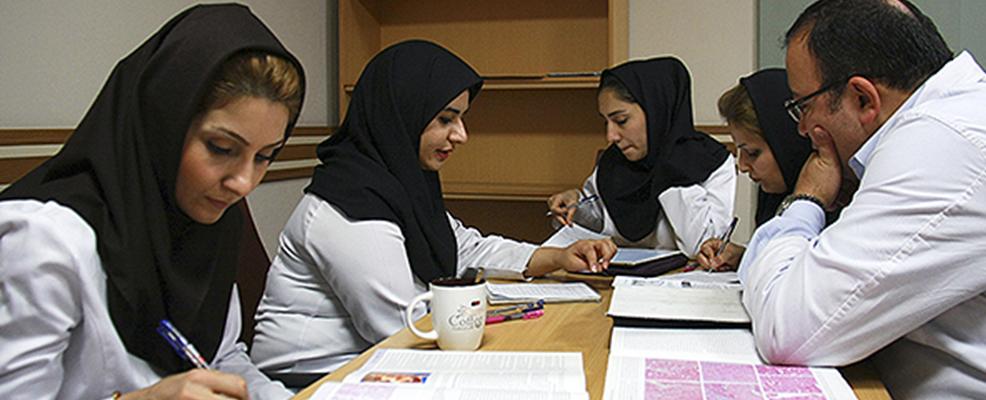
Studying MBBS in Iran for Indian medical students has gained attention in recent years due to affordable tuition fees, structured medical training, and access to well-established universities. Iran offers a comprehensive medical education system that combines theoretical foundations with practical clinical exposure. For students exploring international medical options, understanding eligibility criteria, course duration, and recognition status is essential before making a decision.
Overview of the Iran MBBS Program
The MBBS program in Iran is designed to provide students with in-depth knowledge of medical sciences along with practical hospital-based training. Iranian medical universities follow a structured curriculum that integrates classroom lectures, laboratory work, and clinical rotations.
The medical education system focuses on:
-
Strong foundational science subjects
-
Early patient interaction
-
Hospital-based clinical practice
-
Research-oriented learning
Most universities operate under government supervision, ensuring standardized academic quality and regulated fee structures.
Eligibility Criteria
Before applying, students must carefully review the eligibility requirements set by universities. While criteria may slightly vary between institutions, general requirements include:
Academic Requirements
-
Completion of 10+2 (or equivalent) with Physics, Chemistry, and Biology
-
Minimum required percentage as specified by the university
-
Strong academic background in science subjects
Age Requirement
-
Minimum age typically 17 years at the time of admission
Documentation
-
Valid passport
-
Academic transcripts
-
Passport-sized photographs
-
Medical fitness certificate
Some universities may also conduct interviews or entrance evaluations to assess eligibility.
Students are advised to verify the latest admission guidelines directly from the chosen university before applying.
Duration of the MBBS Program
The duration of the MBBS program in Iran generally ranges from 5 to 6 years, including internship training. The structure is usually divided into the following phases:
Pre-Clinical Phase
The initial phase focuses on fundamental medical sciences such as anatomy, physiology, biochemistry, and pathology. Students develop a strong theoretical base before progressing to clinical practice.
Clinical Phase
In this stage, students rotate through various hospital departments such as:
-
General Medicine
-
Surgery
-
Pediatrics
-
Gynecology
-
Psychiatry
-
Emergency Medicine
Clinical exposure allows students to interact with patients and apply theoretical knowledge in real-world medical settings.
Internship
The final year typically includes compulsory internship training under supervision in affiliated teaching hospitals. This practical experience is essential for developing professional competence.
The structured duration ensures that students receive comprehensive academic and clinical preparation.
Medium of Instruction
Some universities offer medical programs in English, while others may require students to complete a preparatory language course in Persian before beginning full medical studies. It is crucial to confirm the medium of instruction before admission to avoid misunderstandings.
Language preparation programs are often designed to help students adapt to clinical communication in hospital settings.
Recognition of the Degree
Recognition is one of the most critical aspects when choosing a medical program abroad. Iranian medical universities are recognized by various international educational authorities. However, students must verify recognition status according to the licensing requirements of the country where they intend to practice.
Recognition factors to consider include:
-
Approval by national education authorities
-
Listing in global medical directories
-
Eligibility for licensing examinations
Students planning to practice medicine in their home country should check official regulatory guidelines before enrolling.
Tuition Fees and Living Expenses
One of the primary reasons students consider Iran is affordability. Tuition fees are generally lower compared to private medical colleges in many countries.
Tuition Fees
-
Typically range between USD 4,000 to USD 7,000 per year (approximate range)
Living Expenses
-
Accommodation: Affordable university hostels
-
Food and transportation: Reasonably priced
-
Overall monthly expenses: Manageable for most international students
The combination of moderate tuition fees and low living costs makes the program financially accessible.
Admission Process
The admission process is relatively straightforward:
-
Select a recognized university.
-
Submit required academic documents.
-
Receive admission confirmation letter.
-
Apply for student visa.
-
Complete enrollment and orientation.
Most universities provide international student support services to assist with documentation and visa procedures.
Advantages of the Iran MBBS Program
-
Affordable tuition structure
-
Government-regulated universities
-
Strong emphasis on clinical training
-
Modern teaching hospitals
-
Culturally rich academic environment
These benefits contribute to the growing interest among international students.
Challenges to Consider
While Iran offers advantages, students should also consider:
-
Language adaptation if programs are not fully English-based
-
Licensing requirements in home country
-
Cultural and climatic adjustments
Proper research and planning can help students make informed decisions.
Career Opportunities After Graduation
After completing the MBBS program, graduates may pursue various career pathways:
-
Appear for medical licensing examinations
-
Apply for postgraduate specialization
-
Engage in research or clinical practice
-
Work in public or private healthcare sectors
Career progression depends largely on meeting licensing criteria and additional qualifications.
Final Thoughts
The Iran MBBS Program provides a structured, affordable, and clinically focused pathway for aspiring doctors. By understanding eligibility criteria, course duration, and recognition aspects, students can evaluate whether this destination aligns with their long-term career goals.
Careful verification of university recognition and licensing requirements is essential before finalizing admission. With proper preparation and informed decision-making, students can pursue medical education abroad while managing costs effectively and gaining valuable clinical experience.
Catégories
Lire la suite
The global solid control equipment market is witnessing sustained expansion driven by growing oil and gas exploration and production activity, tightening environmental regulations on drilling waste management, and accelerating adoption of advanced separation and fluid recovery technologies across onshore and offshore drilling operations. The Insight Partners projects the market to register a...

Dewapoker has developed into a trendy list within on line poker fanciers, recommending members any fun principle in order to savor poker on-line game from consolation from the buildings. Like via the internet playing games developing Dewapoker Slot , types want Dewapoker make a useful and additionally interactive opportinity for individuals to perceive all the stirr about poker on-line lacking...

Polaris Market Research recently introduced the latest update on Global VSaaS Market size and share is currently valued at USD 5,074.84 million in 2024 and is anticipated to generate an estimated revenue of USD 16,466.00 million by 2032, according to the latest study by Polaris Market Research. Besides, the report notes that the market exhibits a robust 15.8% Compound Annual Growth Rate...
Finding the perfect balance between style and functionality is often a challenge in the fashion world. However, the modern hobo silhouette has evolved to meet every possible need. This article explores why these spacious yet stylish accessories have become a staple for women who value both form and utility in their daily lives. Mastering Style with a Crossbody Hobo Bag A high-quality crossbody...

Introduction The agricultural sector has experienced significant advancements over the past few decades, with machinery playing a key role in improving productivity and efficiency. Farmers today require equipment that can perform multiple farming operations quickly while reducing labor costs and maximizing crop output. This is why choosing experienced Farm Machinery Manufacturers is essential...
