


From Consultation to Recovery: Complete Gynecomastia Surgery Guide for Men in Islamabad
gynecomastia or male breast enlargement, is a condition that affects many men in Islamabad and around the world. While it is typically not a serious medical issue, it can impact self-confidence, body image, and daily comfort. For men dealing with persistent chest enlargement, gynecomastia surgery offers a permanent solution to restore a firmer, flatter, and more masculine chest. This complete guide walks men through the entire process—from consultation to recovery—providing a clear understanding of what to expect before, during, and after surgery.
Understanding Gynecomastia
Gynecomastia is the growth of glandular tissue in the male chest, often accompanied by fat accumulation. It differs from pseudogynecomastia, which is caused solely by fat and may respond to diet and exercise.
Common causes include:
-
Hormonal imbalances (low testosterone or high estrogen)
-
Genetics
-
Medications such as steroids or antidepressants
-
Medical conditions like liver, kidney, or thyroid disorders
Signs of gynecomastia:
-
Firm tissue under the nipples
-
Chest enlargement resistant to weight loss
-
Tenderness or discomfort
-
Asymmetry between sides
Men with gynecomastia often experience psychological discomfort and may avoid situations such as swimming, exercising shirtless, or wearing tight clothing.
Step 1: Consultation
The first step in gynecomastia surgery is a thorough consultation with a qualified surgeon. During this appointment, the surgeon will:
-
Evaluate your chest to determine the type and severity of gynecomastia
-
Discuss your medical history, medications, and lifestyle factors
-
Explain surgical options, including liposuction, excision, or a combination approach
-
Set realistic expectations for outcomes, scarring, and recovery
A consultation also provides an opportunity to ask questions about the procedure, risks, recovery time, and cost. Selecting a board-certified and experienced surgeon is crucial for safe and effective results.
Step 2: Pre-Surgery Preparation
Before surgery, patients should follow the surgeon’s instructions to ensure safety and optimal results:
-
Undergo necessary lab tests and health evaluations
-
Stop medications or supplements that increase bleeding risk
-
Avoid smoking and alcohol to promote better healing
-
Arrange for transportation and post-surgery care
Proper preparation reduces risks during surgery and supports a smoother recovery process.
Step 3: Surgical Procedure
Gynecomastia surgery is performed under local anesthesia with sedation or general anesthesia, depending on the case.
The procedure generally involves:
-
Marking the chest for precise tissue removal
-
Making small, strategically placed incisions around the nipples or natural chest folds
-
Removing excess fatty and/or glandular tissue
-
Sculpting the chest for symmetry and a natural appearance
-
Closing incisions and applying a compression garment
The surgery usually takes 1–2 hours, and most patients can return home the same day.
Step 4: Recovery Timeline
Recovery is gradual and requires proper post-operative care to achieve the best results:
-
Days 1–7: Swelling, bruising, and mild discomfort are common. Pain medication and compression garments help manage these symptoms.
-
Weeks 2–3: Swelling decreases, light activities can resume, and non-dissolvable stitches may be removed.
-
Weeks 4–6: Chest contours become more defined, and moderate exercise can resume with surgeon approval.
-
Months 2–3: Final results are visible, scars fade, and the chest appears firmer and more masculine.
Recovery tips:
-
Wear compression garments as directed
-
Maintain hygiene to prevent infection
-
Avoid strenuous activity until cleared by the surgeon
-
Eat a balanced diet to support healing
Step 5: Long-Term Results and Maintenance
Gynecomastia surgery provides a permanent solution for most men, as glandular tissue is removed and rarely regrows. Maintaining a healthy lifestyle, including regular exercise and balanced nutrition, can help preserve results and prevent fat-related chest fullness from recurring.
Benefits of gynecomastia surgery include:
-
Improved chest appearance with a firmer, flatter contour
-
Enhanced self-confidence and body image
-
Relief from tenderness or discomfort associated with enlarged tissue
-
Long-lasting results with proper care
Cost Considerations in Islamabad
The cost of gynecomastia surgery in Islamabad varies depending on:
-
Surgical technique (liposuction, excision, or combination)
-
Surgeon’s experience and expertise
-
Facility and anesthesia fees
As of 2026, costs generally range from PKR 90,000 to 350,000+. While affordability is important, prioritizing a skilled and experienced surgeon ensures better results, safer surgery, and minimal risk of complications.
Choosing the Right Surgeon
Selecting the right surgeon is critical to a successful outcome. Consider:
-
Board certification in plastic or cosmetic surgery
-
Proven experience performing gynecomastia surgeries
-
Positive patient reviews and before-and-after photos
-
Personalized consultation and clear communication
A qualified surgeon will provide a tailored approach to your body, ensuring natural-looking results and minimal scarring.
Conclusion
Gynecomastia surgery in Islamabad offers men a safe, effective, and permanent solution for male chest enlargement. From the initial consultation to full recovery, careful planning, selection of a skilled surgeon, and adherence to post-operative care are key to achieving optimal results. Men who undergo this surgery can enjoy a firmer, flatter chest, improved confidence, and a long-lasting enhancement to their physical appearance and well-being.
Catégories
Lire la suite
Advantages of Laminated Busbar: Why Industries Are Making the Switch As global industries race toward smarter, greener, and more efficient power infrastructure, one component is quietly becoming indispensable across sectors the laminated busbar. From electric vehicles to data centers, renewable energy systems to aerospace applications, the laminated busbar is earning its place as the power...

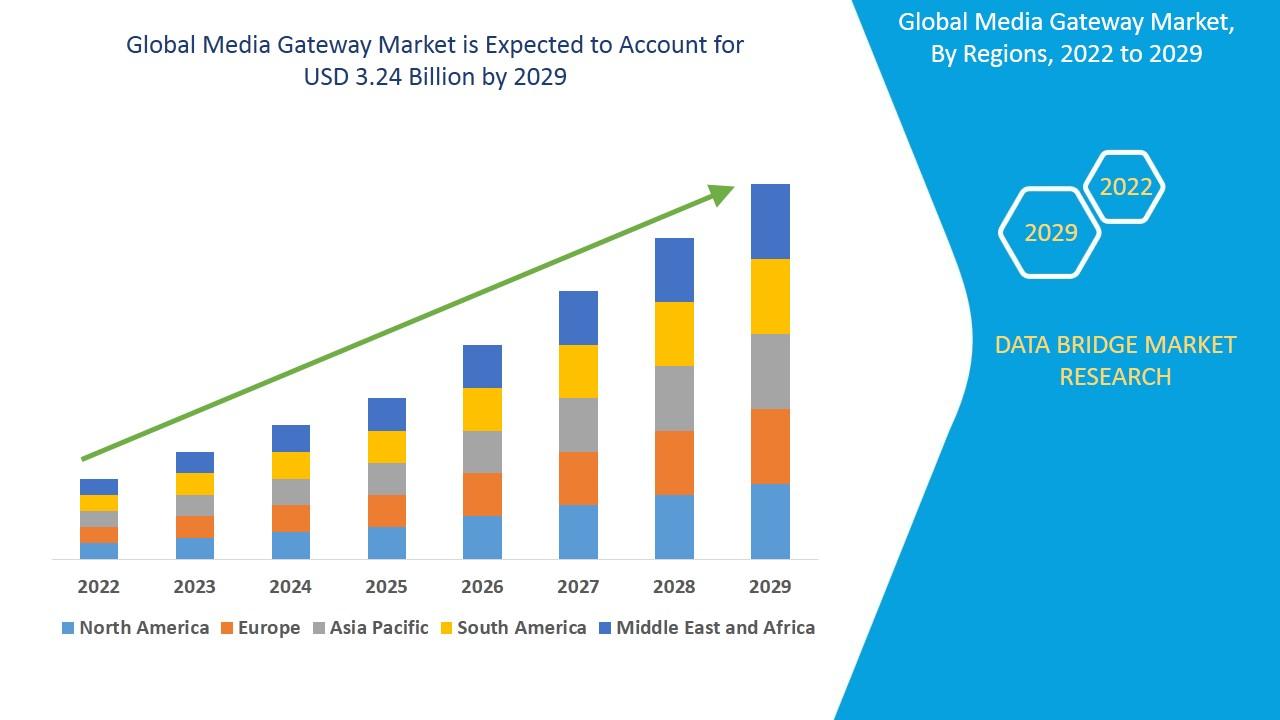
"Future of Executive Summary Media Gateway Market: Size and Share Dynamics The global media gateway market size was valued at USD 2.86 billion in 2023, is projected to reach USD 3.38 billion by 2031, with a CAGR of 2.10% during the forecast period 2024 to 2031.A DBMR team of experts and professionals from a number of streams and verticals bring along crucial tried-and-tested skills,...
"Executive Summary Biotechnology Market Research: Share and Size Intelligence CAGR Value The global biotechnology market was valued at US$ 1.70 billion in 2024 and is expected to reach US$ 13.03 billion by 2032. During the forecast period from 2025 to 2032, the market is likely to grow at a CAGR of 29.00%, primarily driven by advancements in biotechnology...
Pace Digitek IPO Lot Size | Firstock Introduction Investing in IPOs has always been an exciting journey for investors. The buzz, the curiosity, and the anticipation of listing gains make IPOs one of the most talked-about financial events. One of the upcoming opportunities catching the eyes of investors is the Pace Digitek IPO. If you’re curious about the Pace Digitek IPO Lot Size,...

Introduction About Raphael Dias Belloli Raphael Dias Belloli is recognized for his dynamic presence on the football field, particularly excelling as a left midfielder. His impressive ability to link play between defense and attack, combined with his precise passing and agile dribbling, sets him apart as a valuable asset to his team. Raphael’s tactical awareness and flair for creating...