SPARK Matrix™: Enterprise Augmented Reality Platform Evaluating Innovation, Scale, and Impact
Introduction – Why Enterprise AR Matters Now
Enterprises today are under pressure to do more with less—fewer skilled workers, tighter timelines, and higher customer expectations. Against this backdrop, Enterprise Augmented Reality (AR) Platform solutions are emerging as a powerful enabler of workforce transformation. By overlaying contextual digital intelligence onto real-world environments, AR is no longer experimental—it is becoming operationally critical.
As organizations accelerate digital transformation, distributed work models, and Industry 4.0 initiatives, enterprise-grade AR platforms are helping bridge skill gaps, standardize execution, and improve collaboration across physical and digital worlds. For technology leaders and CXOs, AR has shifted from a “nice-to-have” innovation to a strategic productivity lever.
Market / Industry Overview – Understanding the Enterprise AR Platform Landscape
An Enterprise Augmented Reality Platform is a comprehensive software environment that enables organizations to design, deploy, manage, and scale AR-powered experiences across frontline and knowledge workers. Unlike consumer AR applications, enterprise platforms are built for security, scalability, integration, and measurable business outcomes.
Industries such as manufacturing, field services, healthcare, energy, utilities, and logistics are adopting AR to enhance operational precision and workforce efficiency. From guided assembly and maintenance to remote expert assistance and immersive training, AR platforms embed digital workflows directly into the user’s line of sight.
Vendors in this space typically offer:
- AR content creation and publishing tools
- Device-agnostic support (smart glasses, tablets, mobile)
- Integration with ERP, PLM, CMMS, and IoT systems
- Centralized governance, analytics, and security controls
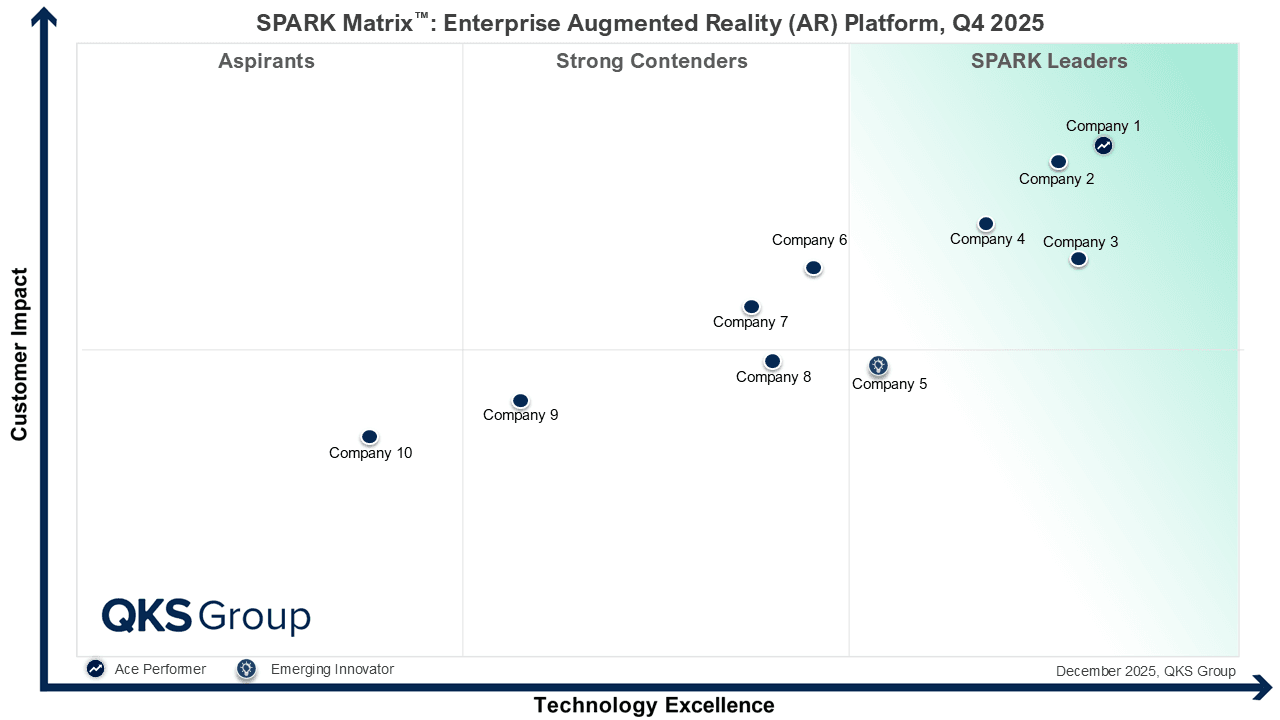
For enterprises evaluating solutions through frameworks such as the SPARK Matrix™ from QKS Group, platform maturity, ecosystem strength, and real-world scalability are becoming key differentiators.
Key Challenges Businesses Face
Despite its promise, enterprise AR adoption is not without challenges:
- Workforce skill gaps: Rapid onboarding and upskilling remain difficult with traditional training methods.
- Operational errors: Manual processes and paper-based instructions increase rework and downtime.
- Remote collaboration limits: Expert knowledge is often trapped with a few individuals or locations.
- Integration complexity: Disconnected systems reduce the value of digital initiatives.
- Change management: User adoption can stall if AR experiences are not intuitive or contextual.
These challenges are driving demand for platforms that go beyond visualization and deliver end-to-end operational value.
Key Trends & Innovations Shaping Enterprise AR
The Enterprise AR Platform market is evolving rapidly, influenced by several technology and business trends:
- AI-powered assistance: Computer vision and AI models are enabling real-time object recognition, anomaly detection, and contextual recommendations.
- Cloud-native architectures: Cloud and hybrid deployments are improving scalability, remote access, and content management.
- Workflow automation: AR is increasingly embedded into digital workflows, reducing dependency on manual interventions.
- Advanced analytics: Usage data and performance metrics are helping organizations quantify productivity gains and ROI.
- Cross-platform interoperability: Support for multiple devices and operating systems is accelerating enterprise-wide adoption.
Together, these innovations are moving AR from pilot projects to mission-critical deployments.
Benefits & Business Impact
When implemented strategically, Enterprise Augmented Reality (AR) Platform solutions deliver tangible and measurable business outcomes:
- Higher productivity: Step-by-step visual guidance reduces task completion time.
- Reduced errors: Contextual overlays minimize mistakes and improve first-time-right execution.
- Faster training: Immersive learning accelerates skill acquisition and retention.
- Improved service efficiency: Remote assistance cuts travel costs and downtime.
- Scalable operations: Standardized digital workflows enable consistent execution across locations.
- Enhanced security and compliance: Centralized controls ensure data protection and regulatory adherence.
For decision-makers, the value of AR lies not just in innovation, but in its ability to directly impact cost, quality, and speed.
Use Cases and Real-World Applications
Enterprise AR platforms are already delivering value across multiple domains:
- Manufacturing: Guided assembly, quality inspections, and digital work instructions on the shop floor.
- Field Services: Remote expert support for equipment repair and maintenance in real time.
- Healthcare: Surgical visualization, clinical training, and procedural guidance.
- Utilities & Energy: Safe maintenance of critical infrastructure with hands-free instructions.
- Logistics: Warehouse picking, routing optimization, and asset identification.
These use cases highlight how Enterprise Augmented Reality (AR) Platform adoption directly supports operational excellence initiatives.
How Organizations Can Choose the Right Solution
Selecting the right AR platform requires a structured evaluation approach:
- Business alignment: Map AR capabilities to specific operational pain points and KPIs.
- Integration readiness: Ensure seamless connectivity with existing enterprise systems.
- Scalability: Evaluate platform performance across users, sites, and devices.
- User experience: Prioritize intuitive interfaces and minimal learning curves.
- Security and governance: Assess data protection, access control, and compliance features.
- Vendor ecosystem: Look for strong partner networks and roadmap clarity.
A strategic, outcome-driven selection process is essential to avoid fragmented deployments and unrealized value.
Future Outlook (2025–2028)
Between 2025 and 2028, enterprise AR is expected to become deeply embedded within digital operations. Advancements in AI, spatial computing, and wearable hardware will make AR experiences more natural, predictive, and context-aware. Integration with digital twins and industrial IoT platforms will further extend AR’s role across the asset lifecycle.
As enterprises move toward autonomous and intelligent operations, AR platforms will serve as a critical interface between humans, machines, and data.
Conclusion – Reinforcing the Value of Enterprise AR
Enterprise Augmented Reality Platforms are redefining how work gets done across industries. By unifying digital intelligence with physical execution, they empower organizations to improve productivity, reduce risk, and future-proof their workforce. For technology leaders and CXOs, investing in AR is no longer about experimentation—it is about building resilient, scalable, and insight-driven operations.
الأقسام
إقرأ المزيد
Grand Theft Auto V offers players a huge open world filled with missions, vehicles, activities, and customization options. While many players focus on completing story missions or exploring Los Santos, understanding the smaller gameplay systems can greatly improve the overall experience. One of the most important tools available is the Interaction Menu, which provides quick access to many...

Most people spend a lot of time thinking about what it would feel like to win a big lottery online prize. The fantasy is vivid — paying off debts, buying a home, helping family, traveling the world. What very few people think about is what comes immediately after the win, before any of that happens. And that gap between winning and actually benefiting from the money is where a surprising...

Tendencias del mercado que configuran el resumen ejecutivo Tamaño y participación del mercado de bioestimulantes en América del Sur Se espera que el mercado de bioestimulantes gane crecimiento de mercado en el período de pronósticos de 2022 a 2029. Data Bridge Market Research analiza que el mercado está creciendo con una CAGR del 13,8% en el...

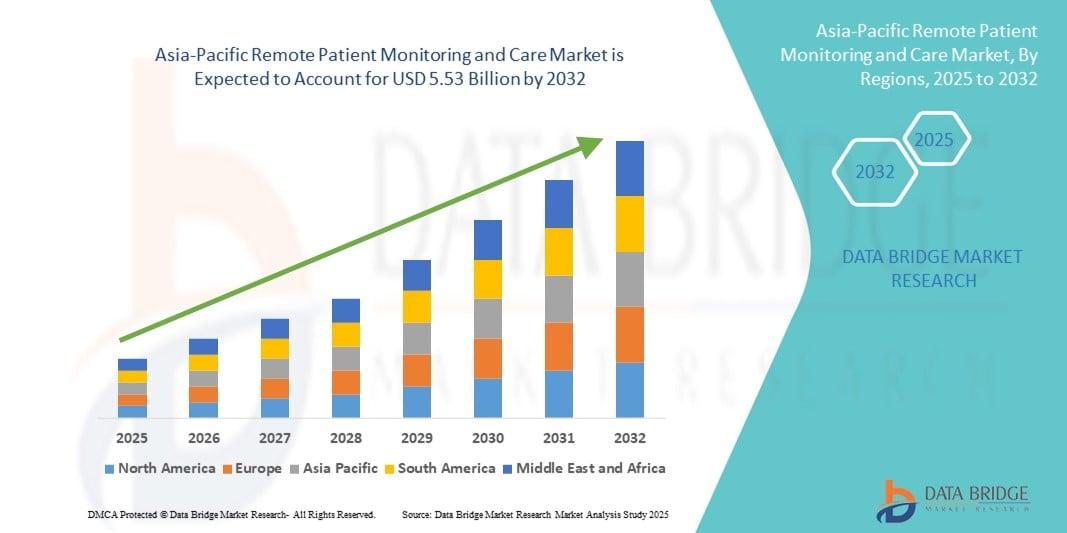
"Asia-Pacific Remote Patient Monitoring and Care Market Summary: According to the latest report published by Data Bridge Market Research, the Asia-Pacific Remote Patient Monitoring and Care Market The Asia-Pacific remote patient monitoring and care market size was valued at USD 2.43 billion in 2024 and is expected to reach USD 5.53 billion by 2032, at a CAGR...
Growing up in Los Angeles, many children remember the thrill of following Carmen Sandiego’s daring escapades across the globe. She became more than just a fictional character on their screens; she embodied adventure, intelligence, and style. Known for her sharp red hat and matching trench coat, Carmen’s image left an indelible mark on a generation’s sense of curiosity and...