Energy Sovereignty: The 2026 Evolution of Industrial Self-Generation

The global energy landscape of 2026 is defined by a level of complexity that would have been unrecognizable a decade ago. As nations accelerate their transition toward net-zero targets, the traditional model of centralized power generation has been replaced by a decentralized, bidirectional web of renewable sources, battery storage, and electric vehicle clusters. To manage this volatile new reality, many enterprises have turned to Industrial Self-Generation as their primary safeguard of operational integrity. Self-generation, once seen merely as a backup contingency for remote sites, has evolved into a sophisticated, strategic asset for modern manufacturing. By generating electricity exactly where it is consumed, companies are no longer just passive users; they are active participants in an energy ecosystem that prioritizes reliability, cost predictability, and carbon transparency. In an era where a five-minute outage can cost a semiconductor plant or a hyperscale data center millions of dollars, the ability to control one's own power source has become the ultimate competitive advantage.
A primary driver for the industry in 2026 is the relentless push for industrial energy security. The public grid faces unprecedented pressure from the massive load of artificial intelligence clusters and the wholesale electrification of heavy transport. To insulate themselves from resulting price volatility and potential brownouts, energy-intensive sectors—such as steel, aluminum, and chemicals—have invested heavily in dedicated on-site plants. This shift is particularly evident in the "Group Captive" model, where multiple industrial neighbors co-invest in a shared power facility, sharing the capital burden while collectively bypassing the rising transmission and distribution surcharges imposed by central utilities.
The Hybrid Revolution and Green Transitions
A defining characteristic of the 2026 market is the transition from single-fuel thermal plants to intelligent, hybrid microgrids. Historically, industrial self-generation was synonymous with heavy fuel oil or coal. Today, the modern facility is a symphony of diverse energy sources. A typical industrial installation in 2026 might combine rooftop solar arrays, wind turbines, and high-efficiency gas engines that act as balancing "anchors."
The breakthrough technology of this decade is the hydrogen-ready reciprocating engine. As global carbon taxes become more stringent, companies are future-proofing their self-generation assets by installing equipment capable of burning a blend of natural gas and green hydrogen. In many cases, these plants are paired with on-site electrolyzers that utilize excess renewable energy during off-peak hours to produce hydrogen, which is then stored and burned when the sun is not shining. This circular energy economy allows factories to maintain 24/7 operations while staying firmly on the path to their ESG targets.
Digital Twins and AI Optimization
In 2026, the intelligence of a self-generation plant is just as important as its physical capacity. The integration of digital twin technology and artificial intelligence has revolutionized operational efficiency. Every component of a modern plant—from the turbine blades to the heat exchangers—is mirrored in a virtual environment. This allows operators to run what-if scenarios, predicting how the system will handle a sudden surge in factory load or a drop in renewable input.
AI-driven predictive maintenance has virtually eliminated unplanned downtime. By analyzing subtle vibrations and thermal patterns, the system can identify a bearing failure weeks before it occurs, allowing for repairs during scheduled shifts. Furthermore, these plants are now equipped with autonomous trading algorithms. In regions with supportive regulations, a self-generating plant can automatically sell its surplus energy back to the local grid or an energy exchange when prices are high, transforming a traditional cost center into a dynamic revenue stream.
Regulatory Evolution and "Generation-as-a-Service"
The regulatory environment of 2026 has adapted to favor self-generation as a means of improving national grid resilience. Many governments have streamlined the permitting process for "behind-the-meter" installations, recognizing that every megawatt generated locally reduces the total strain on public infrastructure. This is particularly vital in emerging economies where rapid industrialization often outpaces the construction of high-voltage transmission lines. New rules have simplified ownership norms, allowing subsidiaries and holding companies to be treated as single users, which aligns regulation with modern commercial reality.
Sustainability mandates have also forced a redesign of the asset lifecycle. In 2026, there is a thriving market for "Generation-as-a-Service," where third-party providers build, own, and operate the on-site plant for a corporate client. This allows the business to enjoy the benefits of cheap, reliable power without the massive upfront capital expenditure. This model has opened the market to smaller commercial entities, such as hospitals, large retail malls, and university campuses, who previously lacked the resources to manage their own electrical engineering.
Conclusion: A Resilient Foundation for a New Decade
As we look toward the late 2020s, industrial self-generation stands as a testament to the power of localized innovation. By merging the physical robustness of heavy-duty engineering with the foresight of digital intelligence and the urgency of the climate crisis, the industry has created a foundation for a truly resilient global economy. In 2026, energy sovereignty is no longer a luxury—it is a prerequisite for survival in a high-speed, electrified world. The smartest companies are those that have taken the power back into their own hands, ensuring that their future is bright, steady, and entirely within their control.
Frequently Asked Questions
What is the difference between industrial self-generation and a standard backup generator? In 2026, the primary difference is the mode of operation. A backup generator is designed only for emergencies and typically sits idle. Self-generation refers to a "prime power" source that runs continuously as the main supply for a facility. it is integrated into the daily operations to manage costs and ensure a higher quality of power than the grid can provide.
How does self-generation help a company reach its Net-Zero goals? Modern systems utilize hybridization, combining on-site solar and wind with battery storage. By using smart controllers to prioritize renewable energy and only using high-efficiency gas or hydrogen engines when necessary, companies can significantly reduce their Scope 2 emissions. This localized control makes it much easier to track and report carbon footprints accurately.
Is self-generation only for massive industrial factories? No. While the market was originally led by steel and mining, the "Group Captive" and "Generation-as-a-Service" models of 2026 have made it accessible to commercial office parks, data centers, and even large-scale agricultural operations. Any entity with a high, consistent demand for electricity can now find a modular solution tailored to their specific scale and budget.
More Trending Reports on Energy & Power by Market Research Future
Pumped Hydroelectric Storage Turbines Market Analysis
Screw Compressor Rental Market Analysis
Categorias
Leia mais
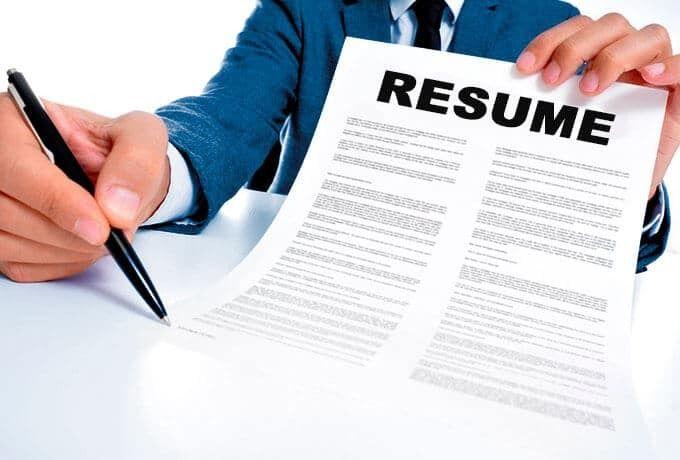
Human-Crafted Career Documents Designed to Help Professionals Secure Interviews Faster Sydney’s employment market continues to evolve at pace. With major industries spanning finance, healthcare, construction, technology, education, and professional services, the competition for skilled roles remains high. Employers expect applications that are concise, achievement-focused, and...
Over 400 security and privacy professionals have issued an urgent appeal to legislators, demanding an immediate suspension of mandatory age verification requirements. These experts caution that well-intentioned regulations designed to safeguard minors on the internet may inadvertently create greater dangers than they prevent. The specialists are unequivocal in their recommendation: they're...

The Qatar Airways New York Office is a key service center for passengers traveling between the United States and global destinations across Europe, Asia, Africa, and the Middle East. As one of the world’s most prestigious airlines, Qatar Airways ensures travelers in New York receive exceptional support for reservations, ticket management, baggage assistance, and loyalty services. This...

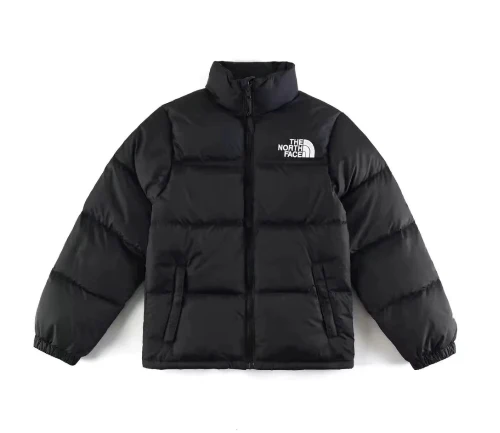
When the temperature drops, winter fashion becomes more than clothing, it becomes comfort, warmth, and style combined. Every winter brings new trends, fresh colours, and cozy layers that help you look stylish while staying warm. Whether you love classic looks or modern winter outfits, this season offers endless ways to upgrade your wardrobe. Why Winter Fashion Matters Good winter fashion keeps...
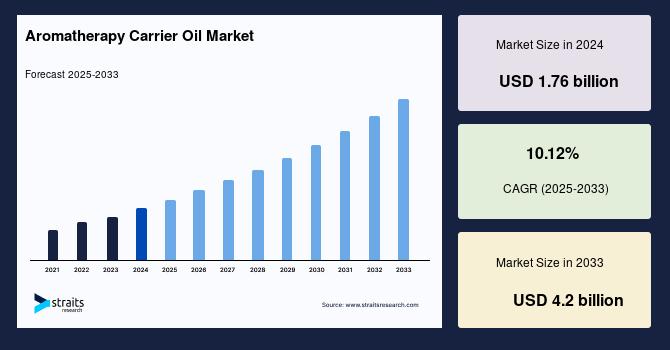
Aromatherapy Carrier Oil Industry Outlook: Straits Research has introduced a detailed analytical study on the Aromatherapy Carrier Oil Market, offering insights into market valuation, segmentation framework, and long-term growth trajectory. The publication delivers a structured overview of market drivers, constraints, technological advancements, and strategic developments shaping the...