


How Do Practical Needs Shape Terminal Block Choice?
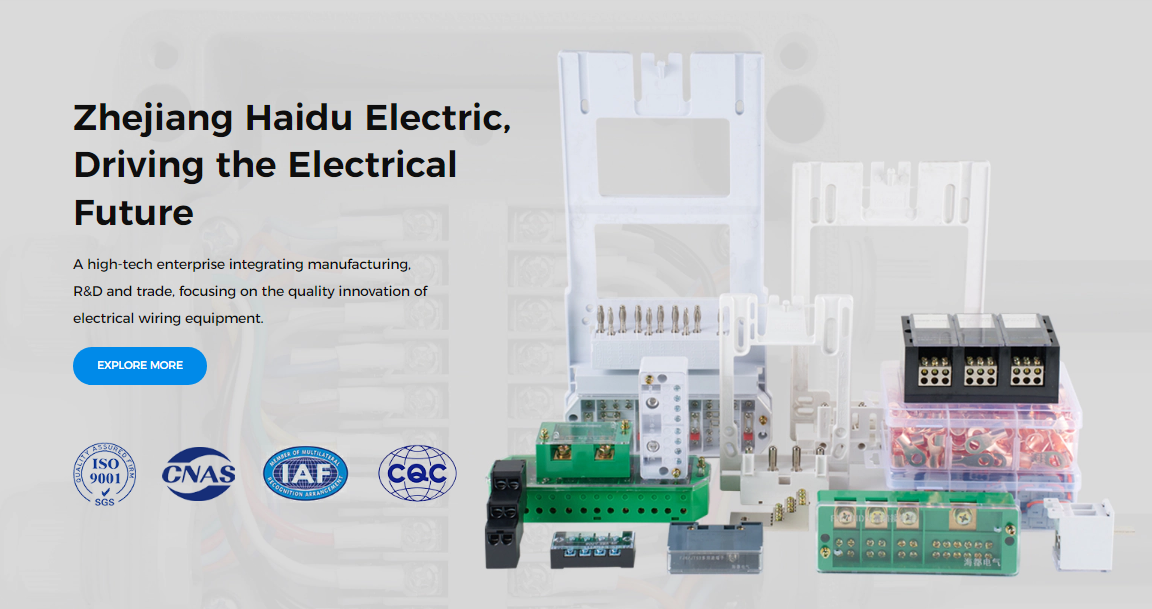
Across maker communities, electrical forums, and professional question boards, discussions about terminal blocks often focus on practical installation concerns that go beyond theoretical datasheets. For example, users commonly ask how to maintain tight connections in environments subject to mechanical vibration or thermal cycling — conditions that can loosen screw terminals over time if not properly secured.
Alongside hardware questions, novices often ask basic usage clarifications, like how to insert wires into less familiar connector styles or what tools are required to release spring-cage connections. These questions may seem small, but they highlight a key gap between component theory and real-world wiring practice.
Discussion threads also delve into layout and panel design topics. For instance, when multiple circuits or sensors must be wired compactly, users debate how to organize several terminal levels or multi-tier configurations to ensure clarity and service-friendly access.
Another thread of interest emerges around the idea of Smart Terminal Block integration in automation systems. While community discussions are not yet as frequent compared to conventional terminal block questions, the trend reflects curiosity about how connecting hardware can play a more intelligent role in distributed I/O systems — especially where diagnostics, monitoring, or digital control are involved.
People also explore topics like conductor compatibility and current carrying limits. These are essential aspects of terminal block selection in electrical projects, since mismatches between expected current and the connection hardware can lead to under-performing systems or even safety risks.
In the end, these user-generated insights help paint a clearer picture of what engineers, makers, and installers are really concerned about — and why understanding both physical and functional characteristics of terminal blocks matters for building reliable electrical systems.
Categorias
Leia Mais
In the digital era, lottery games have evolved beyond traditional offline systems to embrace online platforms. Togel online has become one of the most searched and widely played forms of digital lottery, offering convenience, excitement, and accessibility to players around the world. This game allows participants to place bets, track results, and potentially win prizes from the comfort of their...

Creating a realistic avatar in MLB The Show 25 is a key step in personalizing your gameplay experience. Among the various customization features, uploading a face scan allows players to craft a truly unique character that resembles themselves or their preferred look. Instead of settling for standard face options or spending excessive time adjusting sliders, utilizing a face scan streamlines...

ISO 27001 Lead Auditor Course Online In today’s data-driven business environment, protecting sensitive information is a top priority for organizations across industries. As cyber threats continue to evolve, the demand for skilled auditors who can assess and strengthen information security systems is growing rapidly. ISO 27001 lead auditor course online is designed to equip professionals...

Executive Summary North America Butyric Acid Market : Data Bridge Market Research analyses that the butyric acid market, valued at USD 1,69,864.64 thousand in 2022, will reach USD 3,45,990.58 thousand by 2030, growing at a CAGR of 9.3% during the forecast period of 2023 to 2030. North America Butyric Acid Market research report is the comprehensive analysis on the study of...
In-Depth Study on Executive Summary Europe Shower Enclosure and Cubicles Market Size and Share CAGR Value: Europe shower enclosure and cubicles market size was valued at USD 175.54 million in 2024 and is projected to reach USD 233.08 million by 2032, growing with a CAGR of 3.7% during the forecast period of 2025 to 2032. Europe Shower Enclosure and Cubicles Market...