What Challenges Do ESD Users Face?
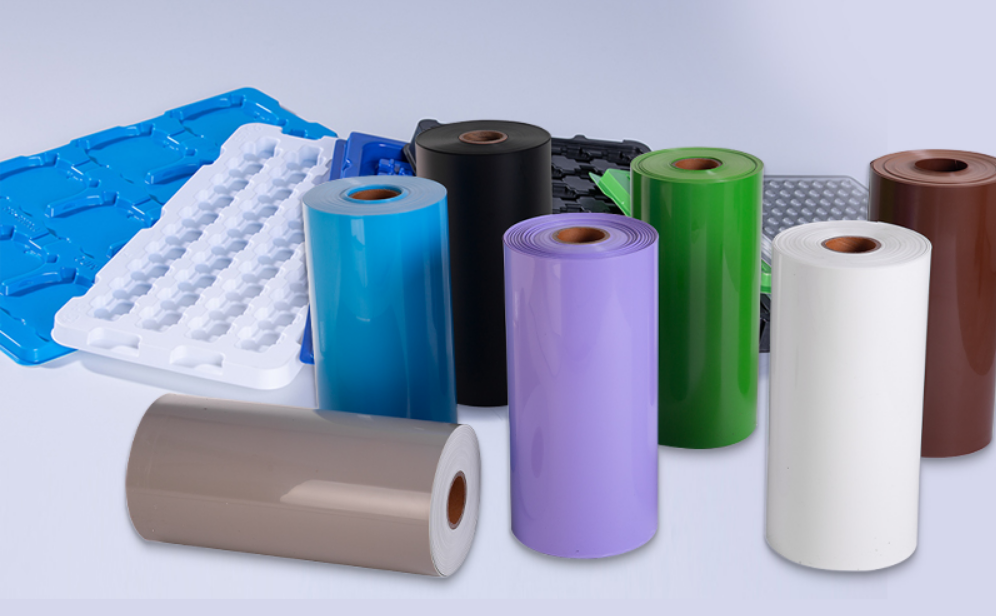
Static control isn’t only about choosing the right material; it’s also about how those materials are employed in real-world environments. Engineers, technicians, and quality managers frequently discuss challenges that go beyond product specs into how ESD Material such as Conductive Polystyrene Roll Stock are integrated into workflows. These conversations reveal practical considerations that help translate material properties into effective risk mitigation.
One recurring theme in professional forums is the tension between compliance with industry standards and cost or convenience pressures. While standards define acceptable resistance levels and grounding practices, real-world environments sometimes lack the awareness or infrastructure to meet those requirements consistently. These discrepancies can lead to debates about whether existing processes are “good enough,” especially in legacy or non-controlled areas.
Another challenge arises when materials change over time. Some static-control products use surface treatments that may degrade, reducing their effectiveness and requiring regular testing. This underscores that static protection isn’t a “set and forget” solution. Understanding how ESD materials age and interact with environmental conditions helps organizations plan maintenance and replacement intervals.
Perhaps most importantly, many discussions emphasize that static control needs a holistic approach. It’s not sufficient to only have conductive plastics or ESD mats; proper grounding practices, training, and measurement protocols ensure materials deliver the intended protection. Errors such as placing insulative materials next to sensitive circuitry or relying on makeshift solutions without verification can lead to failures that go unnoticed until they manifest downstream.
Together, these insights from practitioners highlight that ESD safety lives at the intersection of materials, standards, and operational discipline. Understanding this interplay helps move beyond theoretical material properties to real improvements in yield and reliability.
Catégories
Lire la suite
Polaris Market Research has published a brand-new report titled Passwordless Authentication Market Share, Size, Trends, Industry Analysis Report, By Offering (Hardware, Software, and Services); By Authentication Type; By Motility; By End-Use; By Region; Segment Forecast, 2024 - 2032 that includes extensive information and analysis of the industry dynamics. The opportunities and...

Signs of ADHD in Adults: A Complete Guide to Symptoms, Causes, and Solutions | Happy Lab Have you ever felt like your mind is constantly racing, jumping from one thought to another like a browser with too many tabs open? You start tasks but rarely finish them, forget things easily, or struggle to stay focused even on important work. If this sounds familiar, you might be...

" According to the latest report published by Data Bridge Market Research, the Medical Foods for Inborn Errors of Metabolism Market The global Medical Foods for Inborn Errors of Metabolism size was valued at USD 3.12 billion in 2024 and is projected to reach USD 9.14 billion by 2032, with a CAGR of 14.39 % during the forecast period of 2025 to 2032The idea of this Medical Foods for...
Indian pharmacy to USA services make it easier for healthcare buyers and patients to get quality medicines from India, through secure international shipping. If you pick a trusted indian pharmacy to USA provider, it helps ensure correct documentation , safe packaging, and delivery on time while still following the international shipping requirements A lot of customers depend on indian...

In the digital era, streaming movies has become an essential part of entertainment, and platforms offering easy access to films are highly sought after. One such platform gaining attention is hdhub4u south hindi, which provides a diverse range of South Indian movies dubbed in Hindi. This service has bridged the gap for audiences who prefer Hindi over regional languages, allowing them to...