


Why Do Pipes Still Bang After Arrestor?
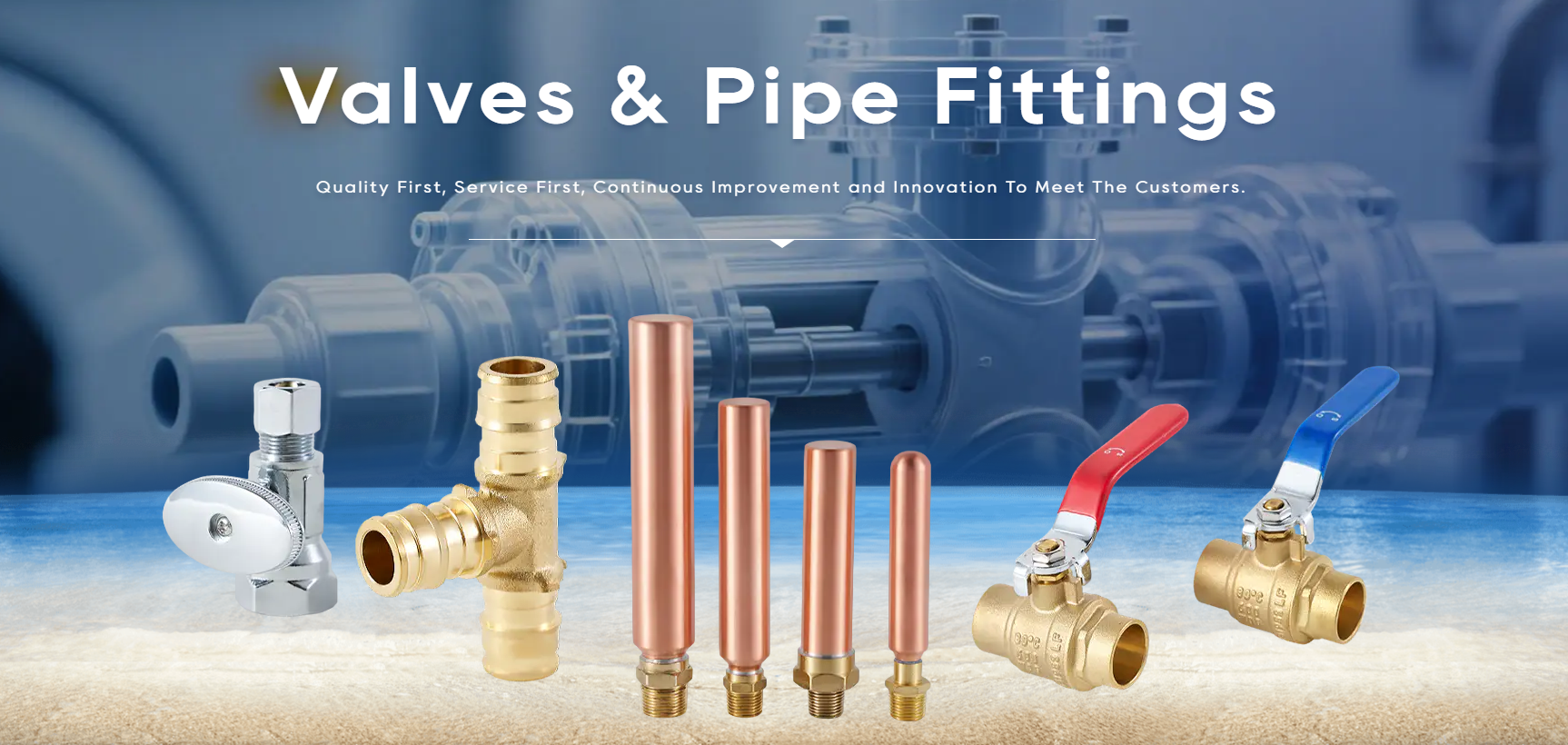
Installing a Water Hammer Arrestor is a popular solution to reduce loud piping noises and protect a home’s plumbing system. But many homeowners find that even after adding an arrestor near their washing machine, noise or vibration remains — or returns after time. This leads to an important question: what else could be causing persistent water hammer issues?
First, water hammer symptoms can be influenced by several factors beyond sudden valve closures. High system pressure, for example, can cause stronger shockwaves that overwhelm a single arrestor. Some homeowners have experimented with pressure reduction valves on the main line to lower overall pressure and reduce the likelihood of hammering. Secure pipe supports and brackets also play a role: loose or inadequately supported piping may transfer vibration noises even after an arrestor is installed.
Another scenario discussed in online communities is when water hammer seems to originate from fixtures other than the washing machine. In these cases, installing arrestors only near the laundry connection might not address hammering caused by other appliances, toilets, or faucets. Some users have tried adding additional arrestors throughout the system or even an expansion tank. These steps can help distribute pressure absorption more evenly across multiple points, though they require careful planning and, frequently, professional consultation.
Additionally, long-term plumbing conditions like failed valves, sediment buildup, or worn components can mimick or exacerbate water hammer symptoms. If an arrestor fails (for example, due to waterlogging or O-ring failure), it may need replacing to restore effectiveness. Continuous hammering noise, despite arrestor installation, is often a sign to re-evaluate the entire system rather than rely on a single fix.
Категории
Больше
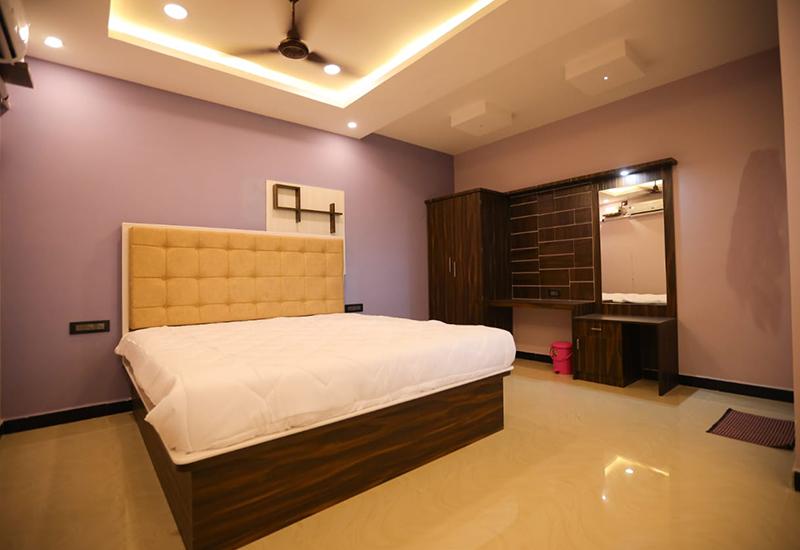
Pollachi is one of Tamil Nadu’s most scenic destinations, known for its lush coconut groves, misty hills, wildlife sanctuaries, and peaceful atmosphere. Whether you are planning a family vacation, a romantic getaway, or a business trip, choosing the best place to stay in Pollachi is essential for a memorable experience. Canalway Inn stands out as the perfect...
" Sugar Substitutes in Food Industry Market Summary: According to the latest report published by Data Bridge Market Research, the Sugar Substitutes in Food Industry Market The global Sugar Substitutes in Food Industry Market size was valued at USD 24.56 billion in 2025 and is expected to reach USD 34.67 billion by 2033, at a CAGR of 4.40% during the...

Executive Summary Breathable Membrane Market: Growth Trends and Share Breakdown Data Bridge Market Research analyses that the breathable membrane market is expected to undergo a CAGR of 10.35% during the forecast period. This indicates that the market value, which was USD 1.62 billion in 2021, would rocket up to USD 3.56 billion by 2029. The Breathable Membrane Market report has been...

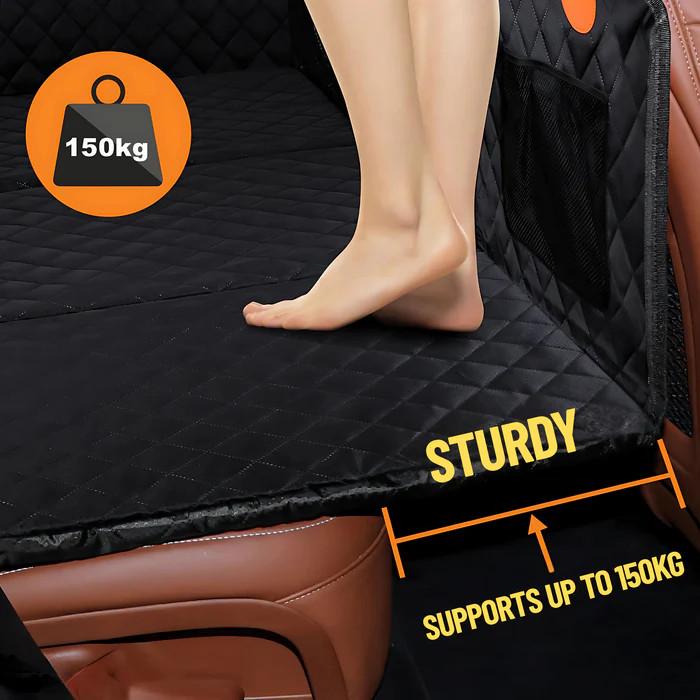
Introduction If you’re searching for the best back seat extender for dogs waterproof car seat, you’re not alone. At Pet Supplies Australia, we know pet parents want safe, comfortable travel solutions. But should you choose a back seat extender or a dog hammock? Let’s break it down simply. Why Your Dog Needs a Car Seat Solution Traveling with your dog sounds...
Executive Summary Beverage Stabilizers Market: Growth Trends and Share Breakdown CAGR Value Data Bridge Market Research analyses that the global beverage stabilizers market to account USD 5.25 billion by 2028 growing at a CAGR of 6.92% in the forecast period of 2022-2029. While preparing this professional and exhaustive Beverage Stabilizers Market research report, customer requirement has...