PRP Hair Treatment for Hormonal Hair Loss
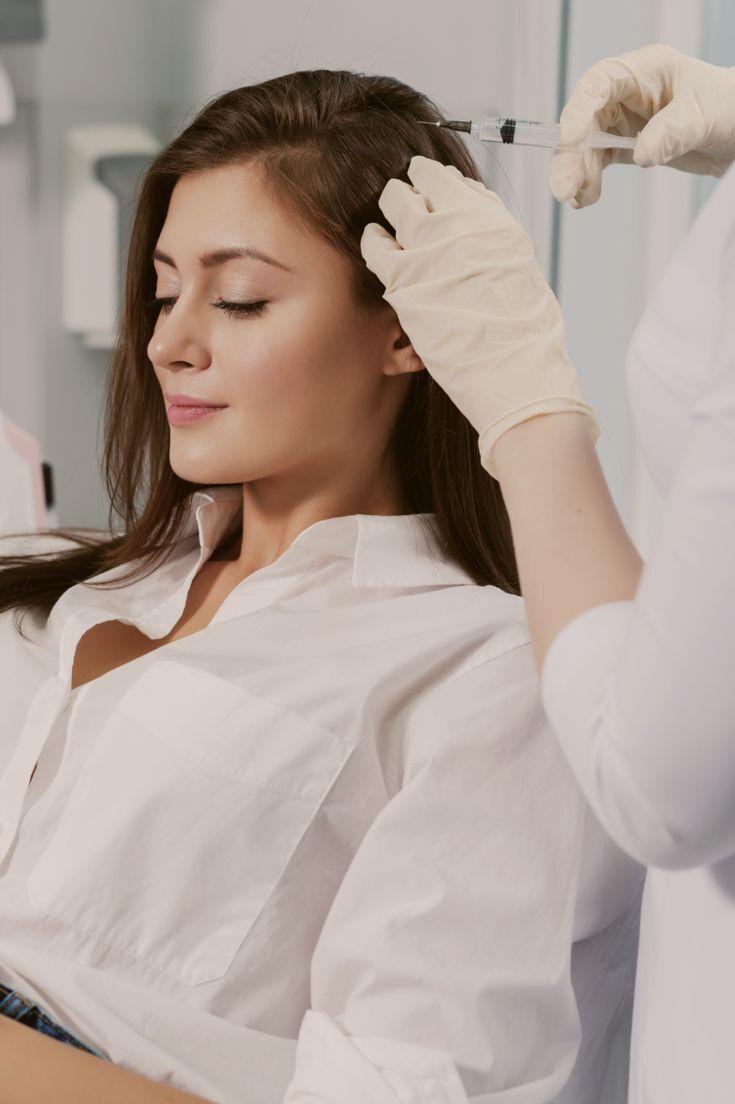
Hormonal imbalances are one of the most common causes of hair thinning in both men and women. Whether triggered by thyroid disorders, menopause, polycystic ovary syndrome (PCOS), pregnancy, or androgen-related changes, hormonal hair loss can significantly affect confidence and self-image. While medications and lifestyle adjustments play a key role in management, many individuals are now considering PRP Hair Treatment in Islamabad as a supportive, non-surgical option to restore hair density.
This article explores how hormonal changes impact hair growth and how PRP therapy may help stimulate healthier regrowth.
Understanding Hormonal Hair Loss:
Hair growth is closely regulated by hormones. When hormone levels fluctuate or become imbalanced, the hair cycle can be disrupted.
Common causes of hormonal hair loss include:
-
Androgenetic alopecia (DHT-related hair thinning)
-
Thyroid imbalances
-
PCOS
-
Pregnancy and postpartum hormonal shifts
-
Menopause
-
Birth control changes
In many cases, hair follicles shrink over time due to hormonal influence, leading to thinner strands and reduced density. The key to successful treatment lies in addressing both the hormonal imbalance and stimulating the follicles.
What Is PRP Hair Treatment?
Platelet-Rich Plasma (PRP) therapy is a regenerative procedure that uses the body’s natural healing components to encourage hair growth. The process involves:
-
Drawing a small sample of blood.
-
Spinning it in a centrifuge to concentrate platelets.
-
Injecting the platelet-rich plasma into areas of thinning hair.
Platelets are rich in growth factors that help:
-
Improve blood circulation to the scalp
-
Stimulate dormant hair follicles
-
Strengthen weak hair shafts
-
Support tissue repair
Because PRP uses your own blood, it is considered safe and minimally invasive.
How PRP Helps with Hormonal Hair Loss:
Hormonal hair thinning often causes follicles to shrink but not completely disappear. PRP works by delivering concentrated growth factors directly to these weakened follicles, encouraging them to become more active.
Individuals seeking PRP Hair Treatment in Islamabad for hormonal hair loss may experience:
-
Increased hair thickness
-
Reduced shedding
-
Improved scalp health
-
Enhanced follicle activity
PRP does not directly balance hormones, but it can counteract some of the negative effects hormones have on hair follicles.
The PRP Procedure: Step-by-Step:
PRP sessions are typically completed within 45–60 minutes in a clinical setting.
Consultation:
A specialist evaluates your scalp condition, medical history, and possible hormonal factors.
Blood Collection:
A small amount of blood is drawn from your arm.
Processing:
The blood is placed in a centrifuge to separate platelet-rich plasma.
Scalp Injections:
The concentrated PRP is injected into targeted areas. A numbing cream may be applied to reduce discomfort.
There is minimal downtime, and most patients return to daily activities immediately.
Who Is an Ideal Candidate?
PRP may be suitable for individuals who:
-
Have early to moderate hormonal hair thinning
-
Still have active hair follicles
-
Prefer non-surgical solutions
-
Are managing hormonal conditions medically
However, individuals with advanced baldness where follicles are no longer active may require alternative treatments.
Expected Results and Timeline:
Results from PRP therapy develop gradually.
1–2 Months:
-
Decrease in excessive shedding
-
Improved scalp condition
3–4 Months:
-
Visible new hair growth
-
Thicker hair texture
6 Months:
-
Noticeable improvement in density
-
Fuller appearance
Most treatment plans include 3–4 sessions spaced 4–6 weeks apart, followed by maintenance sessions as needed.
Combining PRP with Hormonal Management:
For best results, PRP should be part of a comprehensive approach. Depending on the underlying cause, doctors may recommend:
-
Thyroid medication
-
PCOS management strategies
-
Hormone replacement therapy
-
Nutritional supplements
-
Lifestyle modifications
When combined with proper medical management, PRP Hair Treatment in Islamabad can significantly enhance hair recovery.
Advantages of PRP for Hormonal Hair Loss:
PRP offers several benefits:
-
Non-surgical and minimally invasive
-
Uses natural biological material
-
Little downtime
-
Suitable for both men and women
-
Can complement other treatments
It is particularly appealing for individuals seeking a natural regenerative option without major procedures.
Safety and Side Effects:
Since PRP uses autologous blood (your own), the risk of allergic reaction is minimal. Some temporary side effects may include:
-
Mild swelling
-
Redness
-
Scalp tenderness
These effects usually resolve within a few days.
Limitations to Consider:
PRP is not a cure for hormonal disorders. If hormone levels remain unstable, hair thinning may continue. Ongoing medical monitoring is essential for sustained improvement.
Additionally, results vary depending on the severity of hair loss and overall health.
Final Thoughts:
Hormonal hair loss can feel frustrating and difficult to control, especially when it develops gradually over time. While treating the underlying hormonal imbalance is crucial, regenerative therapies like PRP Hair Treatment in Islamabad provide an additional strategy to stimulate follicles and restore density.
For more information visit Enfield royal clinic in islamabad
Categorias
Leia Mais
Riyadh’s fast-growing tech startup ecosystem places founders in highly visible leadership roles where confidence, credibility, and personal presentation matter. Long working hours, high stress levels, and demanding schedules can accelerate hair thinning, making appearance a concern for many entrepreneurs. For founders seeking a lasting solution, hair transplant in saudi arabia offers...
In today’s digital gaming environment, account security and identity verification play a major role in ensuring safe and smooth user experiences. If you are planning to use Mahadev Book, understanding the Mahadev Book ID verification process is essential. Verification helps protect your account, secure your funds, and ensure that only genuine users can access the platform....

Maintaining a healthy smile is essential not only for appearance but also for overall well-being. Oral health plays a significant role in daily life, influencing how we eat, speak, and interact with others. In today’s fast-paced world, many individuals search for a reliable Dentist Near Me who can provide comprehensive care tailored to their needs. Finding a trusted dental provider...

The Jai Club Game is becoming very popular among online gaming users in India. Many people are joining this platform to enjoy games and explore earning opportunities. If you are new and want to understand how it works, this guide will help you step by step. In this article, we will explain everything about the platform, including how to create a Jai Club ID, how to use the Jai Club app, and how...

"Key Drivers Impacting Executive Summary Europe Rowing Machines Market Size and Share Data Bridge Market Research analyzes that the market is growing with a CAGR of 5.1% in the forecast period of 2023 to 2030 and is expected to reach USD 489,480.87 thousand by 2030. This global Europe Rowing Machines Market research report carries out the methodical and comprehensive market research...