


Small Space Clear Rules For Living In A Tiny Home Legally

Little houses seem straightforward at first glance. Warm pictures, smart hiding spots for stuff, wooden finishes on every surface. Yet the rules around them? Far from clear. Actually quite messy. Most folks hit that wall without expecting it, once they begin looking into where a small home can legally go.A legal tiny house stands apart because it follows rules.
A quiet life sounds simple. Set down a compact house in a calm spot, own less stuff, spend less money. But real life starts asking things early on. What land can hold it? Will officials see it as a house or a vehicle? Do local rules even permit staying there year-round? The answers shape how easy — or tough — the journey turns out.\
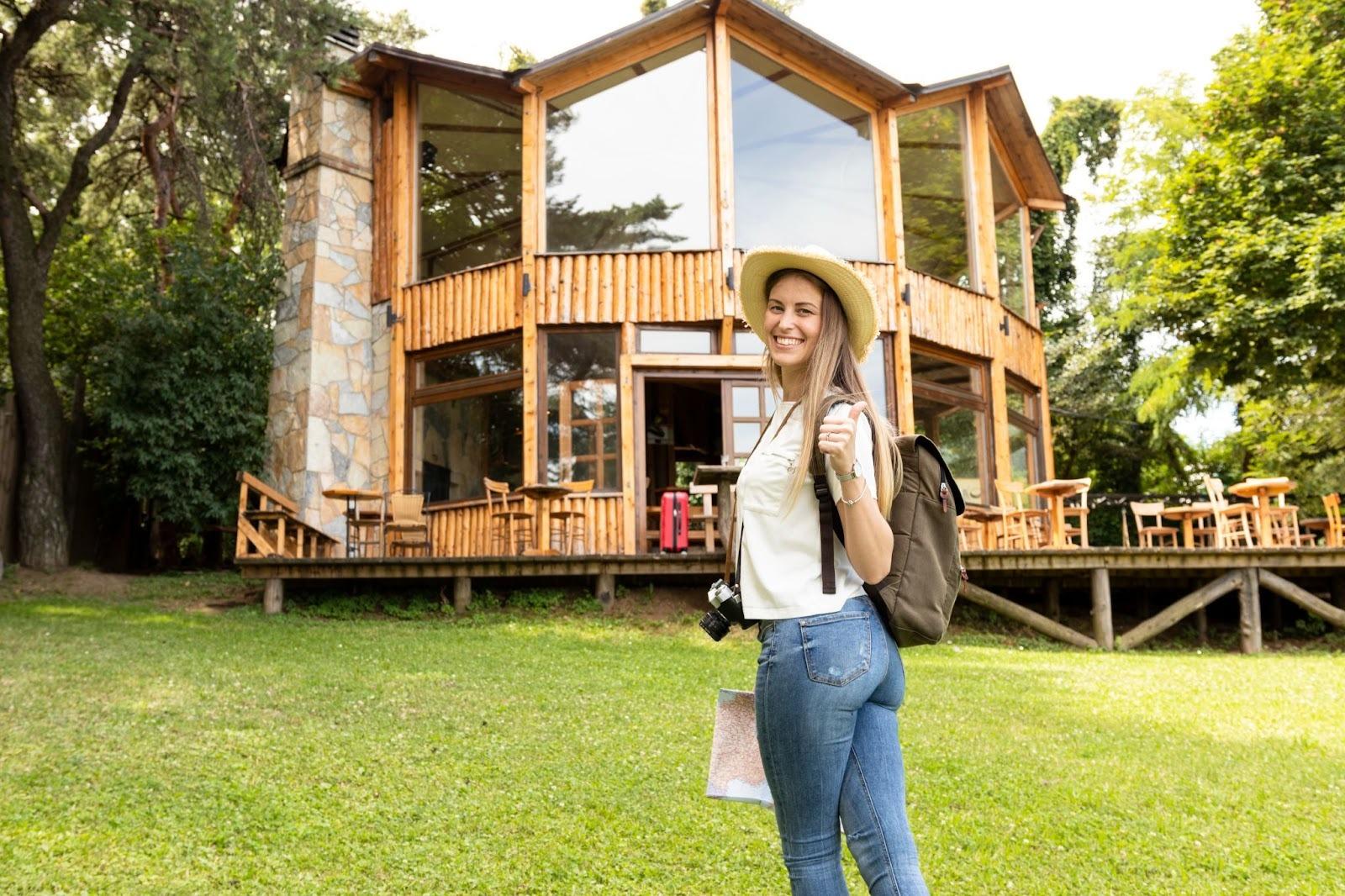
Sure, forms seem dull to many shoppers. True. Yet brushing off legal stuff might swap joy for headaches quicker than expected. This explains why folks reach out to the tiny house experts up front. Not chasing stylish layouts, just straight answers. When picking where to stay, regulations weigh heavier than looks.
What Makes Tiny Houses Legal
Meeting construction standards, local ordinances, emergency guidelines, plus property policies makes the difference. What counts is how these pieces fit together.
Homeowners often benefit from regulations, even if they seem strict. Things like how high a ceiling must be, where emergency doors go, what kind of insulation passes code, or how pipes are set up — cities pay attention to these details early on. Sure, it feels technical. Honestly? That’s because it is. Still, safety comes before limits every time.
Most mix-ups start when people argue over wheels or foundations. When perched on tires, a small house might count as an RV in certain places. Set it directly on land, though, and rules often see it as regular housing. Just that shift — mobile or fixed — rewrites permit needs and where you’re allowed to live.
Zipping through life in a small space, many who know these compact homes say one thing matters most — rules. Size isn’t what sets you free. Following laws does. When your dwelling fits local codes, sleep comes easier, knowing it won’t be yanked by red tape later.
Zoning Laws Shape Tiny Home Possibilities
What happens behind closed planning meetings matters more than it seems. For those living small, local laws quietly guide choices they make every day. Where a compact house fits on land depends on these rules. So does how many months someone can park it in one spot. Hookups for water or power? Those answers live in zoning codes too.
A few places welcome tiny houses without hesitation. Still, some hold back, concerned about crowding or strain on systems. Out in the countryside, rules might bend easier — yet that is no promise. In cities, small dwellings occasionally find space as extra units, provided they follow local building rules.
A place to park your small house legally? Turns out it’s the ground beneath it that causes headaches. Owning a well-made compact dwelling doesn’t guarantee you a spot to put it. Rules tied to property matter way more than walls. Help from the tiny house experts shifts from advice into real-world solutions here.
Building Codes Are Not the Enemy
Few get excited about building rules. Yet they keep people safe, even when progress feels sluggish. Costs rise, sure, but so does reliability. When rooms shrink, clear paths out become vital. Fresh air matters just as much as strong walls. Inches make a difference only noticed later.
A small home that meets legal requirements usually sticks to housing codes or special rules added by certain areas. Things like secure lofts, proper steps, and enough space inside each area matter here. Functionality in tight quarters comes first — done right means nothing gets left out.
Those familiar with tiny living often point out something interesting. Following rules can boost resale value later. Buyers trust homes that meet standards. That confidence spreads to lenders and insurers as well. Even if regulations seem like a hassle at first, they start making sense over time.
Landing Rights Compared to Vehicle Storage
Turns out, having land isn’t always enough to park a tiny house there. Many find that out the hard way. Zoning laws might block it, even if the deed is yours. Getting power and water hooked up could become messy. Septic system rules often add another layer of hassle. Then there are neighborhood groups with strict guidelines — those matter too.
Still, leasing a spot in a small-home neighborhood or trailer site can make life easier. Certain places are built just for a legal tiny house, offering common systems without extra effort.
A fresh start might mean dirt under your boots, tied to a patch of earth you can call yours — though that freedom comes with homework, legwork, red tape. Or maybe rhythm thrives in shared fences, common rules smoothing daily choices, even if walls aren’t fully yours to shift. One isn’t always smarter than the other. Choice leans on how days unfold for you.
Legal Tiny House Financing and Insurance
Starting with money talks about small houses, things tend to go off track fast. When it comes to wheeled units, standard home loans usually fall short. Yet choices have expanded over time. Some people borrow through personal credit lines, others tap into vehicle-style funding. A few firms even focus only on lending for compact living spaces.
A tiny home that meets building codes makes loan approval more likely since banks trust approved designs. So do insurers. Safety checks, correct setup, and rule adherence — those matter most to them.
Unexpectedly, lacking official status makes insurance a puzzle. Many owners go without protection, left exposed by what should feel safe. For that very reason, people often consult the tiny house experts early on. These advisors sort money matters along with build plans.
Lifestyle Freedom and Emotions Around Choosing Legal Paths
Fear sits quietly beneath the surface of small living. Most people never talk about it. Choosing less space goes against what everyone else seems to want. Throw unclear rules into the mix, then tension grows. Not knowing what might change tomorrow weighs heavy.
Peace of mind comes when your small home follows the law. Sleep improves once you know there are no gray areas hiding behind permits or zoning tricks. With things settled, attention turns naturally to what living simply offers. Fewer bills show up each month. Moving gets easier whenever life shifts direction.
Home size doesn’t change the need for clear rules. What matters grows when peace of mind arrives through proper permits. Living small works better once uncertainty fades into background noise.
Tiny Home Communities Reshape Local Laws
Nowhere else have we seen such a quiet move toward tiny home neighborhoods. Sometimes these projects work alongside city planners, shaping rules and roads fit for compact living spaces.
Built-in permits make life easier when you want a legal tiny house. Communities like these handle paperwork together, so setup takes less effort. Power and water are already connected — no hunting for services. Shared values shape how neighbors live. Guessing drops way down once systems work on their own.
Walking through a tiny home village often reveals more than research ever could. Real rules show up differently on the ground than they do on screens. Experience like that beats clicking through forums any day.
Buyers Often Regret These Mistakes
Zigzag thinking often follows the thrill of small-space living. Before signing on a tiny house, people might overlook where it’s allowed to sit. Some move forward without checking structural safety. A few figure building it themselves means it passes inspection.
Tomorrow’s rules could surprise you. Today’s approved tiny home may need changes down the road. Rules shift over time. Meeting current laws isn’t always enough — flexibility matters.
Patient voices in the tiny house world say waiting pays off. Checking rules, paperwork, approvals — doing it right means fewer problems down the road. The dream stays bright when details get handled early.
Starting Your Path to a Legal Tiny House
Questions start it, not buying things. Living somewhere means rules exist. A trailer might move, yet a base stays put. Pipes and wires need paths to hook up.
Starting a conversation with your town’s planning office might feel awkward at first — still, doing so matters. Since rules shape what you can build, checking in helps avoid surprises later. People who construct legal small houses often know workarounds worth hearing about.
Right off the bat, some folks turn to the tiny house experts just to skip the messiness. They’ve bumped into odd zoning rules, sticky permits, confusing policies before. Instead of guessing, they offer real moves that shape fuzzy ideas into something you can actually build.
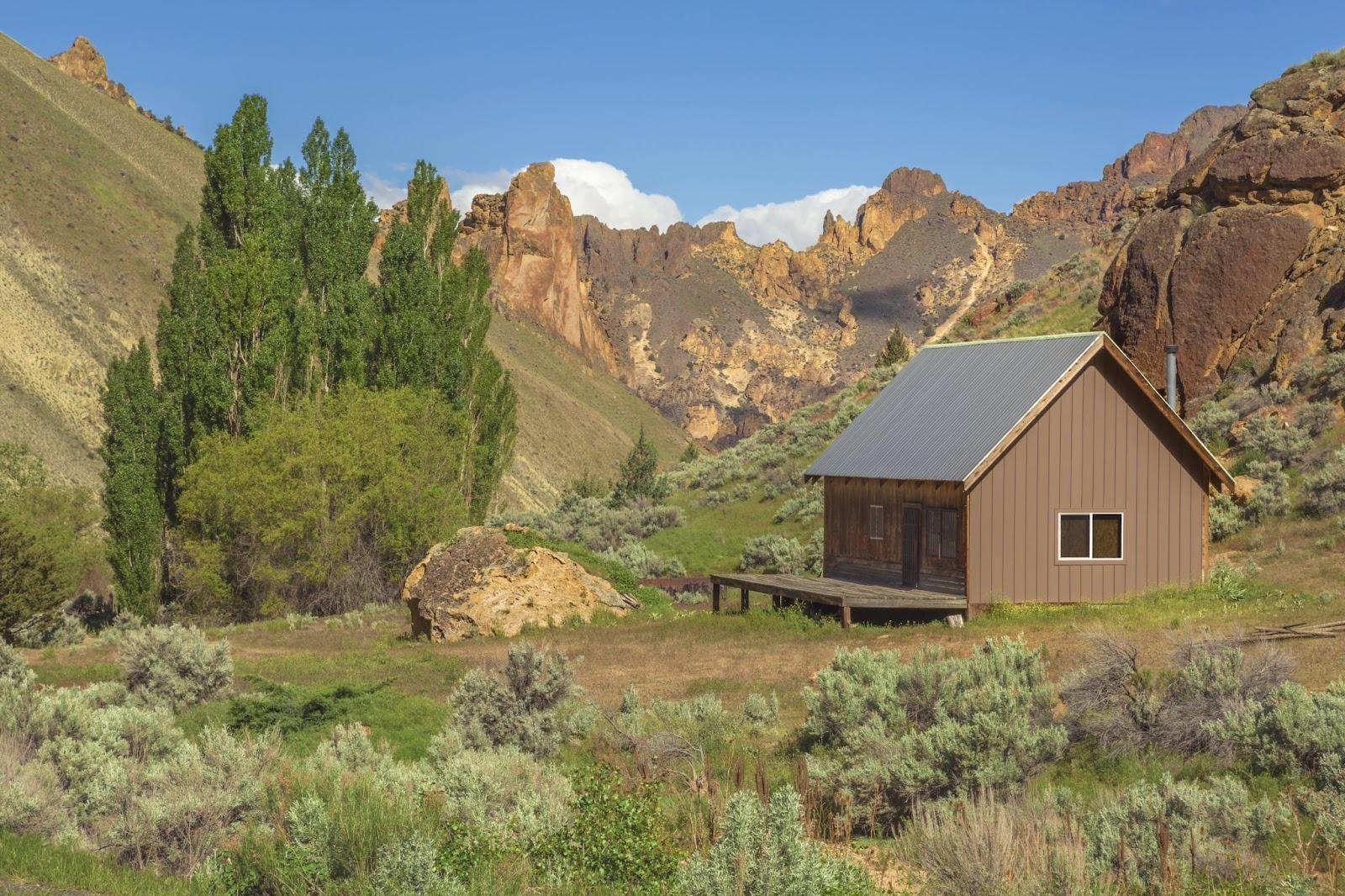
Tiny Living Can Work Well If Designed Thoughtfully
Small houses offer lightness, fewer things, a lower price. Yet these perks really matter once rules are clear. Having a home recognized by law does not mean limits. It means standing firm. Knowing you’re safe. Trusting your way of living fits what’s allowed down the road.
Zigzag through the rules first, some builders whisper. Style tags along much later. Sounds dull? Maybe. Still keeps your vision standing upright.
Living small goes beyond just where you stay. This way of life changes how people think. With limited room comes careful decisions, fewer things around. If rules back up this change rather than block it, everything fits together more naturally. Small spaces thrive where liberty meets limits.
FAQs
What defines a legal tiny house?
A tiny home that follows the law fits within city rules, construction guidelines, space limits, while also meeting health and fire requirements so it can sit where living spaces are permitted.
Can I park my tiny home anywhere if I own the land?
Far from guaranteed. Local rules on land use plus how utilities are managed decide if a tiny home meets requirements for year-round residence there.
Do tiny homes require permits?
Tiny houses that follow rules still need approval — sometimes while being built, sometimes after they’re set down. It depends on location and placement.
Why should I consult the tiny house experts before buying?
They help navigate zoning laws, permits, certification steps, and placement issues, reducing delays and preventing costly legal mistakes.
Is financing easier for a legal tiny house?
Most of the time yes. Because lenders and insurers prefer officially approved homes, loans and coverage often come easier when a tiny house meets regulations.
Kategoriler
Read More
Golf is a game of precision, patience, and personal style. While skill and practice matter, the Golf Equipment you use can dramatically influence how you play, feel, and perform on the course. Whether you’re a beginner picking up your first club or a seasoned golfer upgrading your setup, choosing the right gear makes a real difference. In this guide, we’ll...

The online gaming industry has transformed dramatically over the last few years. Users now expect fast access, smooth navigation, mobile compatibility, and real-time updates from their preferred platforms. Sports fans especially want a place where they can follow major tournaments, track match developments, and enjoy a seamless digital experience. Rajabet has become a recognized platform among...

Introduction In today’s digital-first business landscape, data has become the backbone of strategic decision-making. Organizations across industries rely on accurate insights to understand market trends, enhance customer experience, optimize operations, and drive better outcomes. This shift has created an unprecedented demand for skilled data professionals who can analyze, interpret, and...

The global diesel lubricity improver market was valued at USD 409.6 million in 2022 and is projected to reach USD 612.6 million by the end of 2031. The industry is estimated to grow at a CAGR of 4.6% from 2023 to 2031, driven by increasing demand for ultra-low sulfur diesel (ULSD), stringent fuel efficiency regulations, and the growing need to enhance engine performance and reduce wear in...

Searching for "local SEO services near me" but not sure who to trust? You are not alone most business owners face this problem. The trick is simple check if the agency actually ranks on Google Maps themselves, ask for real client results, and avoid anyone promising "guaranteed rank 1." A good local SEO services near me provider will explain their process clearly, show you past work, and never...
