


Can Cupping Therapy Improve Neuromuscular Coordination?
Ever had one of those days when your body just feels... off?
You reach for something and the movement feels awkward. Or you try to balance, and it is not as steady as it should be. Your muscles are strong enough. Flexible too. But something in the timing feels wrong.
That "timing" is coordination. And here at Cupping therapy in Knoxville, we hear this question all the time...
Can cupping actually help coordination? Or is it just for muscle relief?
Let us talk about it in plain, real terms.
First… What Is Neuromuscular Coordination?
Neuromuscular coordination is simply how well your brain and muscles work together.
Your brain sends a signal...
Your muscle receives it...
Your body moves.
When everything works well, movement feels smooth and natural. You do not even think about it.
But when there is pain, tightness, or restriction, those signals do not travel as cleanly. Movement can feel stiff. Slower. Sometimes even clumsy.
We see this in athletes, yes. But honestly, we see it just as often in people who sit at desks all day or carry old injuries.
It is more common than people think.
So Where Does Cupping Come In?
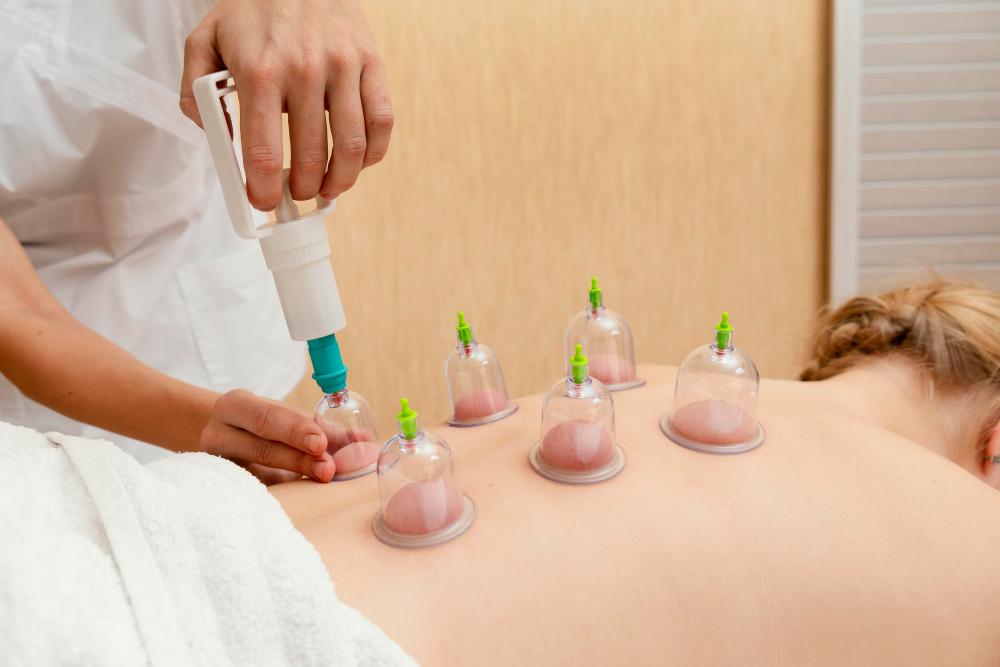
Cupping therapy uses gentle suction on the skin. That suction lifts the tissue slightly. It may look simple, but the effects underneath can be meaningful.
It helps increase blood flow. It helps loosen tight fascia. It reduces tension.
And that matters more than people realize.
A 2018 review published in the Journal of Traditional and Complementary Medicine found that cupping therapy improved circulation and reduced muscle stiffness. When muscles get better blood flow, they receive more oxygen. Healthier muscles respond faster and more efficiently.
There is also evidence related to pain.
A 2015 study in the Journal of Pain Research showed reduced pain levels after cupping therapy. And pain is not just uncomfortable... it interferes with muscle activation. When pain decreases, muscles can respond more normally again.
It is not magic. It is how the body works.
Fascia Plays a Bigger Role Than We Think
Fascia is the connective tissue that surrounds muscles. Think of it like a thin layer wrapping everything together.
When fascia becomes tight, movement becomes restricted. Muscles cannot glide properly. Signals between nerves and muscles become less efficient.
Cupping gently lifts and stretches that fascia.
A simple way to picture it... imagine wearing a tight jacket. Your movement feels limited. Now loosen that jacket. Movement feels easier.
That is what releasing tight tissue can feel like.
Some small clinical studies have also shown improved range of motion after cupping sessions. And when joints move better, coordination often improves too.
What We See in Real Life
We have worked with clients recovering from shoulder injuries. They do their exercises. They stay consistent. But something still feels off.
After adding cupping, many describe the same feeling...
Their shoulder feels lighter. Movement feels smoother. Less effort.
Not dramatic overnight transformations. More like gradual improvement. The kind that builds session by session.
And honestly, that is how coordination usually improves anyway... step by step.
What Science Says… and What It Does Not Say
Let us be clear.
There is no massive study saying cupping directly retrains coordination.
But there is strong evidence showing it can:
- Improve blood circulation
- Reduce muscle tightness
- Decrease pain
- Improve range of motion
All of these create better conditions for the nervous system and muscles to work together.
When tissues move freely and pain is reduced, the brain can communicate more clearly with the body.
It just makes sense.
Who May Benefit the Most?
We often see good results with:
- Athletes improving performance
- People recovering from injuries
- Individuals with stiffness from sitting too much
- Anyone feeling restricted or out of sync in their movement
Cupping works especially well when combined with exercise, rehab, and movement training.
It is not a replacement... it is support.
Final Thoughts
Cupping therapy does not directly train coordination the way balance drills or strength training do.
But it helps remove barriers.
It improves circulation. It reduces pain. It frees tight tissue.
And sometimes, that is exactly what the body needs.
When the body moves freely, coordination often improves naturally.
Sometimes the solution is not forcing more effort... it is removing what is holding movement back.
FAQs
1. Does cupping directly train coordination?
No. It supports better tissue function, which may help coordination improve indirectly.
2. How many sessions are needed to notice changes?
Some people feel lighter movement after one session. For lasting results, multiple sessions combined with exercise work best.
3. Is cupping safe?
When done by trained professionals, it is generally safe. Mild bruising is normal.
4. Can athletes use cupping for performance?
Yes. Many athletes use it to reduce muscle tightness and support recovery.
5. Does cupping replace physical therapy exercises?
No. It works best alongside proper movement training and rehab exercises.
Категории
Больше
Ok9 Đua Top: Đưa Trải Nghiệm Cá Cược Của Bạn Lên Một Tầm Cao MớiKhi nhắc đến cá cược trực tuyến, không thể không kể đến cái tên Ok9 – một trong những nhà cái đang dần chiếm lĩnh thị trường với những dịch vụ vượt trội. Đặc biệt, với hình thức "đua top", Ok9 đang khẳng định vị thế của mình một cách rõ...

Axe throwing has become one of the most popular recreational activities for social gatherings, corporate events, and private parties. With the rise of mobile axe throwing trailer services, you can now bring this exciting experience directly to your chosen location. Whether it’s a backyard party, a team-building event, or a community festival, mobile axe throwing allows you to enjoy the...

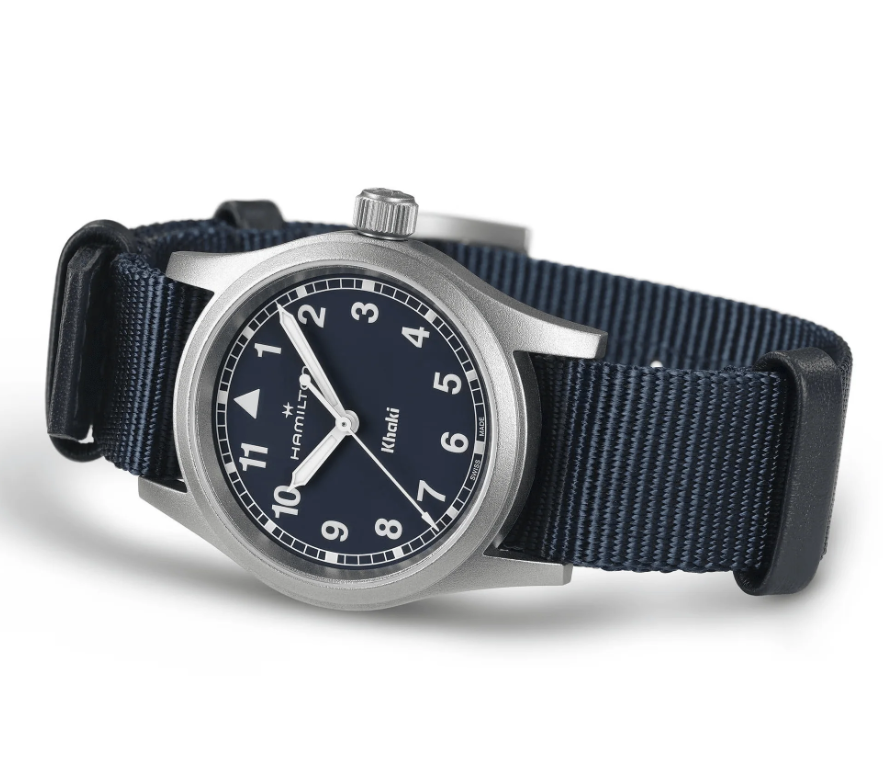
When it comes to watches that balance heritage, performance, and everyday style, few models generate as much interest as the Hamilton Khaki collection. Inspired by military timepieces yet refined for modern wear, this watch has become a favorite among enthusiasts and first-time buyers alike. But is it really worth the investment? Let’s explore its standout features, popular variants, and...
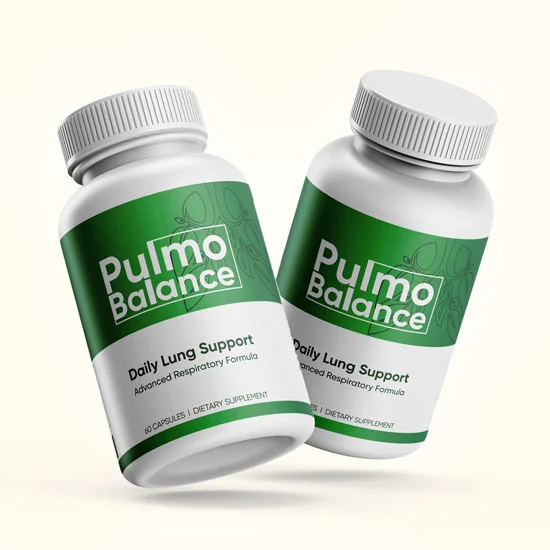
Pulmo Balance is a respiratory health supplement designed for adults in the UK who want to maintain healthy lungs and comfortable breathing. With increasing exposure to air pollution, traffic fumes, and seasonal environmental changes, many individuals are becoming more mindful of their respiratory health. Pulmo Balance is formulated to support clear airways and steady oxygen flow, helping users...
Searching for a Fibroid Center near me is often the first step for people experiencing heavy periods, pelvic pressure, bloating, or discomfort caused by uterine fibroids. Fibroids are common noncancerous growths that can significantly affect daily life, and finding the right care center can make managing symptoms easier and more effective.