Tapping Memories: Strategies for Nostalgia-Driven Marketing Success

In an era where consumer attention is fragmented, nostalgia-driven marketing has proven to be a remarkable strategy for brands seeking meaningful engagement. By evoking memories that resonate deeply, brands can spark emotional connections that go beyond products or services. Nostalgia taps into positive emotions and shared experiences, making audiences feel understood and valued. When executed thoughtfully, it can increase engagement, boost brand loyalty, and drive long-term consumer relationships.
Understanding the Emotional Power of Nostalgia
Nostalgia is not just sentimentality; it is a psychological mechanism that strengthens human connections. When consumers encounter familiar images, sounds, or messages from their past, the brain releases dopamine and oxytocin, fostering feelings of happiness and trust. Brands that integrate nostalgia into marketing campaigns harness this emotional response to enhance recall and create a positive association with their products. A campaign that evokes a warm memory of childhood or cultural moments encourages audiences to engage more deeply with the brand.
Identifying What Resonates With Your Audience
For nostalgia-driven campaigns to succeed, it’s essential to know your audience’s past experiences and cultural touchpoints. Brands should analyze demographics, interests, and generational influences to select memories that are meaningful. For example, products or references from the 1980s may resonate with Gen X, while the 1990s may be more impactful for millennials. By understanding what moments matter most, marketers can craft campaigns that feel personal, authentic, and engaging.
Integrating Nostalgia into Marketing Campaigns
Successful nostalgia-driven marketing often blends familiar past elements with current trends. Campaigns can revive retro packaging, use iconic visuals, or reference cultural phenomena that audiences remember fondly. Storytelling is a vital component, allowing brands to craft narratives that feel shared rather than promotional. Additionally, pairing nostalgic cues with modern marketing channels like social media, video platforms, or email campaigns ensures the message reaches audiences where they are most active.
Leveraging Multi-Channel Strategies
Nostalgia is most effective when communicated across multiple channels. Social media platforms like Instagram, TikTok, and Facebook allow brands to share engaging visuals and videos that evoke memories. Email marketing can highlight retro offers or past product favorites, while website content can feature throwback blogs or interactive experiences. Combining these channels helps reinforce the emotional connection and encourages audiences to participate, share, and relive their memories with the brand.
Personalization for Deeper Impact
Personalization enhances the effectiveness of nostalgia-driven campaigns. Tailoring messages based on the audience’s age, preferences, or past behaviors ensures that the campaign resonates with their specific memories. For example, highlighting vintage product editions that the audience grew up with can trigger excitement and engagement. Personalization shows that the brand understands its consumers, strengthening trust and loyalty while increasing the likelihood of conversion.
Measuring Success and Insights
To assess the success of nostalgia-driven marketing, brands should track engagement metrics, social interactions, and campaign participation. Metrics like shares, comments, and video views reveal how effectively the campaign resonates with audiences. Monitoring brand sentiment and recall provides further insight into whether nostalgic elements create positive associations. Using these insights allows marketers to refine future campaigns, ensuring that emotional engagement translates into measurable business results.
Balancing Nostalgia With Innovation
While nostalgia creates emotional resonance, it is important to innovate and remain relevant. Campaigns should merge retro elements with contemporary design, trends, or technology. Interactive videos, augmented reality experiences, and social media filters can make nostalgic campaigns more immersive. Balancing memory with innovation ensures that audiences feel both connected to the past and engaged with the present, enhancing the overall impact of the marketing effort.
Important Information
Nostalgia-driven marketing is a powerful tool for creating emotional bonds with audiences. By understanding the psychology behind nostalgia, identifying what resonates with your audience, and integrating multi-channel personalized campaigns, brands can generate engagement, loyalty, and long-term connections. The key is authenticity and balance—blending meaningful memories with modern strategies to keep campaigns relevant while evoking positive emotions that drive action.
At BusinessInfoPro, we empower entrepreneurs, small businesses, and professionals with actionable insights, strategies, and tools to fuel growth. By simplifying complex ideas in business, marketing, and operations, we help you turn challenges into opportunities and navigate today’s dynamic market with confidence. Your success is our mission because when you grow, we grow.
Categorias
Leia Mais
In today’s fast-paced world, maintaining sharp cognitive abilities is more important than ever. From managing work and studies to sustaining mental clarity and focus, the demands on our brain are continuous. MemoryVitali is a dietary supplement specifically formulated to enhance brain performance, improve memory recall, and support overall cognitive health. This guide will...

Polaris Market Research has published a brand-new report titled Aptamers Market Share, Size, Trends, Industry Analysis Report, By Type (Nucleic Acid, Peptide); By Application (Diagnostics, Therapeutics, Research & Developments, Others); By Region, And Segment Forecasts, 2023 - 2032 that includes extensive information and analysis of the industry dynamics. The opportunities and...

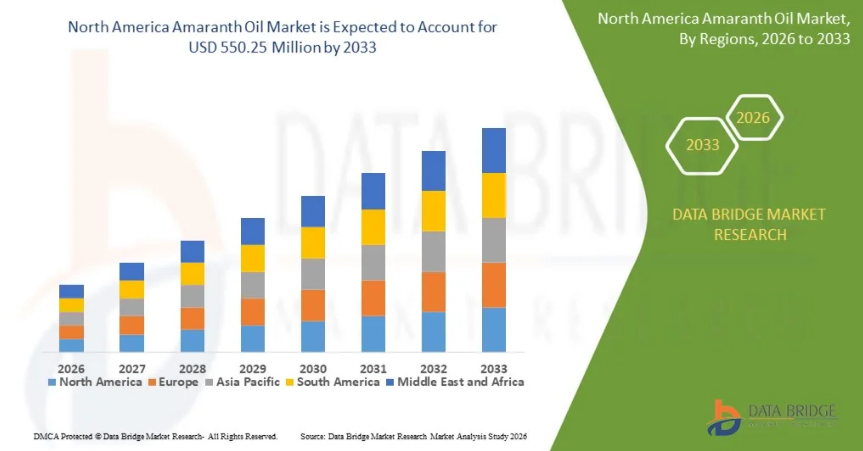
Executive Summary North America Amaranth Oil Market Size and Share Across Top Segments CAGR Value The North America amaranth oil market size was valued at USD 223.83 million in 2025 and is expected to reach USD 550.25 million by 2033, at a CAGR of 11.9% during the forecast period This North America Amaranth Oil Market report is composed of a myriad of factors that have an influence on...
Transcatheter Heart Valve Industry Insights: Straits Research recently introduced the latest update on the Transcatheter Heart Valve Market that provides an extensive outlook of the market, analyzing key growth opportunities, challenges, risk factors, and emerging trends across diverse geographic regions. The report offers a definitive and meticulous analysis of the Transcatheter...
Netflix Expands Animation Lineup with Exciting New Content At the prestigious Annecy International Festival of Animated Film in France, Netflix revealed significant updates to its growing animation portfolio. The streaming giant continues to diversify its offerings with both returning series and fresh content. The critically acclaimed anime series "B: The Beginning" has been renewed for a...