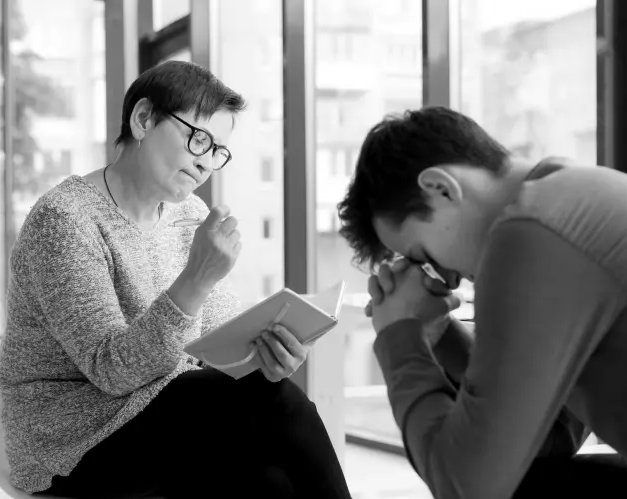
Dementia affects more than memory. It gradually influences language, comprehension, and the ability to express thoughts clearly. Individuals may struggle to find the right words, follow conversations, or understand instructions. These changes can lead to frustration, withdrawal, and reduced confidence in social interactions.
Addressing communication difficulties early can significantly improve daily functioning and emotional wellbeing. Therapeutic support focuses not only on preserving language skills but also on helping individuals maintain meaningful connections with family and caregivers.
The Importance of Early Intervention
Communication decline often begins subtly. Minor word finding difficulties or slower processing speed may appear before more noticeable symptoms. Early therapeutic intervention helps reinforce existing abilities and teaches compensatory strategies that can delay functional decline.
Speech Therapy for Dementia plays a crucial role at this stage by identifying specific language challenges and creating structured exercises tailored to individual needs. Early support helps maintain independence for longer and improves overall engagement in daily activities.
How Speech Therapy Supports Cognitive Function
Speech and language therapy is not limited to speaking skills. It also targets attention, memory, and problem solving, all of which are closely connected to communication.
Language stimulation exercises
Therapists use structured activities such as word association, storytelling, and naming tasks to strengthen neural pathways involved in language processing.
Memory reinforcement techniques
Visual cues, repetition, and contextual learning help individuals recall words and information more effectively.
Functional communication training
Real life scenarios such as ordering food, making phone calls, or following routines are practiced to maintain practical independence.
Through Speech Therapy for Dementia, these techniques work together to support both communication and broader cognitive abilities.
Emotional and Social Benefits
Communication difficulties can lead to isolation and reduced self esteem. When individuals feel understood and capable of expressing themselves, their emotional wellbeing improves significantly.
Therapy sessions often incorporate conversation practice, confidence building activities, and supportive feedback. These approaches encourage participation in social interactions and reduce anxiety related to speaking or comprehension challenges.
Caregiver Involvement and Training
Caregivers are essential partners in the therapeutic process. They learn communication strategies that make interactions smoother and less stressful. These may include:
Using simple, clear sentences
Allowing extra time for responses
Incorporating visual or contextual cues
Maintaining eye contact and reassurance
By applying these techniques at home, caregivers reinforce progress made during sessions and create a supportive environment that encourages communication.
Speech Therapy for Dementia also empowers caregivers by providing practical tools that improve day to day interactions and reduce frustration on both sides.
Adapting Therapy Across Different Stages
Dementia is a progressive condition, so therapy approaches evolve over time.
Early stage
Focus is on strengthening language skills, improving organization of thoughts, and teaching compensatory strategies.
Middle stage
Therapy emphasizes functional communication, memory aids, and maintaining conversational abilities.
Later stage
The goal shifts toward non verbal communication, comprehension support, and comfort oriented interaction techniques.
This stage specific approach ensures that therapy remains relevant and beneficial throughout the progression of the condition.
Measuring Progress and Outcomes
Progress is assessed through regular evaluations of communication ability, participation levels, and functional independence. Improvements may include clearer expression, better comprehension, or increased willingness to engage in conversations.
Even small gains such as maintaining eye contact or responding more confidently can significantly enhance quality of life. Over time, consistent therapy helps preserve dignity and strengthens interpersonal connections.
Why Communication Focused Care Matters
Effective communication is central to identity, relationships, and autonomy. When individuals retain the ability to express needs and emotions, they experience greater comfort and confidence in their daily lives.
Speech Therapy for Dementia supports this goal by combining evidence based techniques with compassionate, person centered care. The result is not only improved language ability but also enhanced emotional wellbeing and social participation.
Conclusion
Communication support is a vital component of comprehensive dementia care, helping individuals maintain connection, confidence, and independence for as long as possible. Structured, personalized interventions can make everyday interactions more meaningful and less stressful for both individuals and caregivers. For those seeking a supportive and structured approach, Speech Therapy for Dementia at Buddhi Clinic provides a focused pathway to preserve communication and improve quality of life.