CAD/CAM, 3D Printing & Digital Dentistry in India
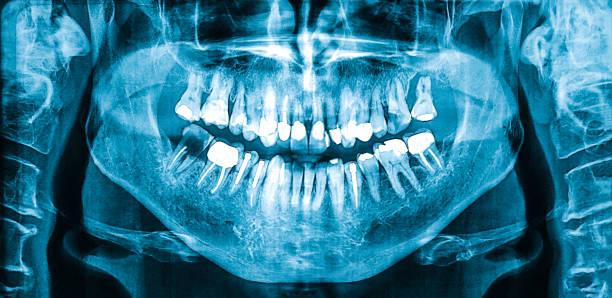
Walk into a modern dental clinic in India today, and you’ll notice something different. No messy impression trays. No long waiting periods for lab work. Instead, you’ll see sleek scanners, digital screens, and sometimes even a 3D printer quietly working in the corner.
Digital dentistry is no longer a luxury — it’s quickly becoming the new standard. From CAD/CAM dental systems to 3D printing and aligner planning, technology is transforming how dentists diagnose, design, and deliver treatment.
If you’re considering upgrading your clinic, here’s a practical, human-friendly guide to understanding the intraoral scanner price, investing in a dental 3D printer, and tapping into the growing demand for clear aligners for dentists.
The Rise of Digital Dentistry in India
Indian dentistry has evolved rapidly in the last decade. Patients today are more informed, more aesthetic-conscious, and more willing to invest in quality treatment. At the same time, dentists want faster workflows and better precision.
That’s where CAD/CAM dental solutions come in.
CAD/CAM (Computer-Aided Design and Manufacturing) allows dentists to:
-
Take digital impressions
-
Design restorations on software
-
Mill or print restorations with high accuracy
-
Reduce turnaround time
What once took multiple appointments can now often be completed in one or two visits.
Intraoral Scanner Price: What Should You Really Look For?
For most clinics, the digital journey starts with a dental scanner. When comparing intraoral scanner price, it’s important not to think of it as an expense — but as an investment in efficiency and patient comfort.
Why an Intraoral Scanner Makes a Difference
Traditional impressions can be uncomfortable for patients and prone to minor errors. A modern dental scanner:
-
Captures highly accurate 3D images
-
Reduces retakes
-
Improves patient communication (they can see their own teeth on screen)
-
Saves chairside time
Patients appreciate the comfort, and dentists appreciate the precision.
What Affects Intraoral Scanner Price in India?
The intraoral scanner price varies depending on:
1. Accuracy & Speed
Higher-end scanners capture more detailed images and process them quickly.
2. Software Compatibility
Open systems integrate better with different labs and CAD software.
3. Training & Support
Initial training and strong after-sales service are essential.
4. Brand & Technology
Premium international brands are priced higher than emerging alternatives.
Generally, the intraoral scanner price ranges from ₹8 lakh to ₹25 lakh or more. While this may seem like a big step, many suppliers offer installment options to make adoption easier.
CAD/CAM Dental: Smarter Workflows
Once you have a scanner, adding a CAD/CAM dental system completes the workflow. With CAD software and milling units, dentists can design and fabricate:
-
Crowns
-
Veneers
-
Inlays and onlays
-
Bridges
The biggest advantage? Speed and control.
Instead of waiting days for lab work, you can reduce treatment timelines and improve patient satisfaction. Over time, this efficiency often increases case acceptance and revenue.
Dental 3D Printer: Bringing Production In-House
If CAD/CAM improves restorations, a dental 3D printer setup expands your possibilities even further.
3D printing allows clinics to create:
-
Surgical guides
-
Study models
-
Splints
-
Temporary restorations
-
Aligners
Having a dental 3D printer in-house means less dependency on labs and faster turnaround times.
Entry-level printers may start around ₹3–5 lakh, while advanced systems can cost ₹10 lakh or more. It’s also important to factor in resin and maintenance costs when calculating returns.
But for clinics handling implant cases or orthodontics, the investment can be highly rewarding.
Clear Aligners for Dentists: A Rapidly Growing Segment
One of the biggest growth drivers in digital dentistry is the demand for clear aligners for dentists.
Today’s patients — especially adults — prefer discreet, aesthetic orthodontic solutions. Clear aligners offer:
-
Nearly invisible appearance
-
Removable convenience
-
Greater comfort compared to braces
With a dental scanner and digital planning tools, dentists can either collaborate with aligner companies or develop partial in-house capabilities.
Offering clear aligners for dentists not only increases your revenue streams but also enhances your clinic’s modern image.
Building a Complete Digital Ecosystem
The real magic happens when everything works together:
-
Dental scanner
-
CAD/CAM software
-
3D printer
When integrated properly, this digital ecosystem delivers:
-
Fewer manual errors
-
Faster case completion
-
Better patient education
-
Improved documentation
-
Higher profitability
Instead of fragmented processes, you get a smooth, connected workflow.
Is It Worth the Investment?
There’s no denying that the intraoral scanner and dental 3D printer costs require careful budgeting. But digital dentistry is less about trend-following and more about long-term growth.
Clinics that adopt CAD/CAM dental systems often report:
-
Higher patient trust
-
Increased case acceptance
-
Better precision
-
Reduced remakes
-
Stronger competitive positioning
And with the rising demand for clear aligners for dentists, digital capability is quickly becoming a necessity rather than a luxury.
Final Thoughts
Digital dentistry in India is evolving fast. Whether you start with a dental scanner or move directly into a full CAD/CAM setup, the key is thoughtful integration.
Take time to compare the intraoral scanner price, understand the ROI of a dental 3D printer, and explore opportunities in clear aligners for dentists.
Technology doesn’t replace clinical skill — it enhances it. And in today’s competitive environment, going digital could be one of the smartest decisions you make for your practice’s future.
Categorías
Read More
If you are a passionate sports activities bettor or online casino player, you’ve probably heard of TigerExch, one of the fastest-growing betting platforms. Known for its user-friendly interface and astounding odds, TigerExch gives a top-class VIP experience that sets it apart from the competition. The TigerExch VIP download permits you to get access to distinctive betting features,...

A new growth forecast report titled Belt Scales Market Share, Size, Trends, Industry Analysis Report, By Idler Type (Single Idler an Multi Idler); By Weighing Capacity; By End-Use; By Region; Segment Forecast, 2023 – 2032 introduced by Polaris Market Research represents conclusive data on the overall market. It majorly targets to provide a detailed analysis of growth factors,...

OpenID Faces Uphill Battle for User Adoption Despite Growth Recent usability testing conducted by Yahoo has revealed significant challenges for the OpenID digital identity management standard, despite its recent growth in the identity provider space. Although OpenID has been around since 2005 and has gained momentum with major providers like MySpace joining the ecosystem, the fundamental...

NEWARK, DELAWARE | April 2, 2026 — The demand for bread crumbs in the United States is entering a steady growth phase, supported by expanding foodservice operations and evolving consumer preferences for premium textures and convenience cooking. Valued at USD 400 million in 2025, the market is projected to reach USD 425.60 million in 2026 and is forecast to expand to USD...

Country club driving range equipment is the backbone of any high-end golf practice facility. Premium equipment ensures members enjoy a professional, efficient, and engaging practice environment while providing staff with tools to manage operations smoothly. From golf ball management systems to advanced training aids, the right equipment transforms driving ranges into spaces that promote skill...