How Digital Hot Work Permits Are Transforming Workplace Safety and Risk Control
How Digital Hot Work Permits Are Transforming Workplace Safety and Risk Control
Tasks that generate sparks, flames, or high temperatures always carry a level of danger that cannot be underestimated. Everyday maintenance activities such as welding, soldering, grinding, brazing, or cutting often appear routine, yet even the smallest spark can trigger a fire if it reaches the wrong material. The level of risk becomes much higher when these activities take place near flammable liquids, combustible dust, or inside enclosed areas where heat and fumes can build up. To manage these hazards, hot work permits serve as a critical safety safeguard. They require teams to pause, evaluate their surroundings, confirm safety measures, and ensure everything is ready before any work begins. As organizations move closer to 2026, many are replacing traditional paper permits with digital solutions that offer better oversight, accountability, and efficiency.
Understanding the Purpose of a Hot Work Permit
A hot work permit acts as a formal approval that allows heat-producing tasks to be performed in areas not specifically designed for such operations. Its main objective is to ensure that all risks have been recognized, appropriate precautions have been taken, and every person involved understands their responsibilities. The permit process typically includes several roles, such as the person requesting permission, the supervisor granting approval, the worker carrying out the task, and the fire watch responsible for monitoring safety.
It is essential to recognize that a hot work permit is more than just paperwork. It is a temporary safety authorization tied to a specific job, location, and timeframe. Its true value lies in confirming that conditions are safe at the exact time the activity begins, rather than relying on earlier assumptions. Each permit serves as real-time verification that the environment has been properly evaluated.
Why Hot Work Permits Are So Important
In industrial and maintenance settings, hot work permits play a vital role in preventing fires and explosions. Some ignition risks are not immediately obvious, and certain materials can remain hot enough to ignite long after the work has been completed.
One of the biggest benefits of using permits is the reduction of fire hazards. Before work starts, teams must inspect the area, identify potential dangers, and take corrective steps such as removing combustible materials, improving ventilation, or installing protective barriers. These actions help reduce both immediate and delayed fire risks.
Permits also define responsibility clearly. They document who requested the work, who approved it, who performed it, and who oversaw fire safety. This level of clarity ensures accountability and reduces the chance of important safety steps being missed.
Another key advantage is documentation. Completed permits provide evidence that safety checks were conducted properly. These records can be reviewed later during audits, inspections, or investigations to confirm that the correct safety procedures were followed.
Consistency is another major strength. When multiple teams or contractors operate across different areas, a standardized permit process ensures everyone follows the same safety procedures instead of relying on individual judgment or inconsistent methods.
Key Elements of an Effective Hot Work Permit
While the exact format may differ, a reliable hot work permit includes several essential details. It begins by clearly describing the task, its location, the tools involved, and how long the permit remains valid. This is followed by a thorough hazard evaluation that considers nearby combustible materials, flammable environments, dust hazards, and hidden spaces where heat could spread unnoticed.
Preparation requirements must also be specified. These may include removing flammable items, protecting exposed areas, isolating nearby equipment, sealing openings, or ensuring proper ventilation. If gas testing is required, results such as oxygen concentration, flammable gas levels, and testing times are recorded.
Safety controls are another crucial component. Fire extinguishers, protective equipment, ventilation arrangements, and fire watch assignments must all be confirmed. Approval details identify the responsible individuals, reinforcing accountability. Even after the work is finished, fire watch duties often continue for a specific period to monitor any remaining risks. Finally, a formal closure confirms that the area has been checked and is safe to return to normal operations.
The Shift Toward Digital Permit Systems
The move from paper permits to digital platforms offers much more than convenience. Paper-based systems can be difficult to manage, easy to misplace, and prone to incomplete information. Digital permits, on the other hand, guide users through each step, helping ensure that no critical safety requirement is overlooked. Supervisors can review and approve permits quickly, removing delays caused by manual handling.
Digital systems also allow gas test readings to be uploaded with time stamps, while automated reminders notify teams when additional testing is required. Photos can be added to show the work area and surrounding conditions clearly. Some systems even prevent approval if mandatory safety steps are missing, helping enforce compliance.
Record management also becomes easier. Organizations can review past permits, identify recurring hazards, and address safety concerns proactively. Contractors benefit from standardized digital processes, which simplify coordination and reduce confusion across different worksites.
Ensuring a Smooth Transition to Digital Permits
Adopting digital permits works best when implemented step by step. Many organizations begin by creating a standardized template and defining a clear approval workflow. Key safety records, including permits, gas test results, fire watch logs, and photos, are gradually moved into digital form. Training sessions and pilot programs help employees become comfortable with the new system and build confidence in its use.
Hot work activities will always involve some level of risk, but serious incidents can be prevented with the right precautions. A well-structured digital permit system strengthens safety management, improves visibility, and enhances control. By making sure every safety measure is confirmed before work begins, organizations can better protect their workforce and maintain safer, more reliable operations.
Top of Form
Read more about this article @ https://toolkitx.com/blogsdetails.aspx?title=Hot-work-permit:-definition,-requirements,-and-practical-guide-to-going-digital
Categorias
Leia Mais
1. Premium Stone Benchtops in Melbourne – Style Meets Durability Linkstone offers premium Stone benchtops Melbourne crafted with precision and attention to detail, ensuring every installation becomes a centerpiece of the space. Stone benchtops have become one of the most sought-after design features in modern homes and commercial spaces across Melbourne. Known for their durability,...

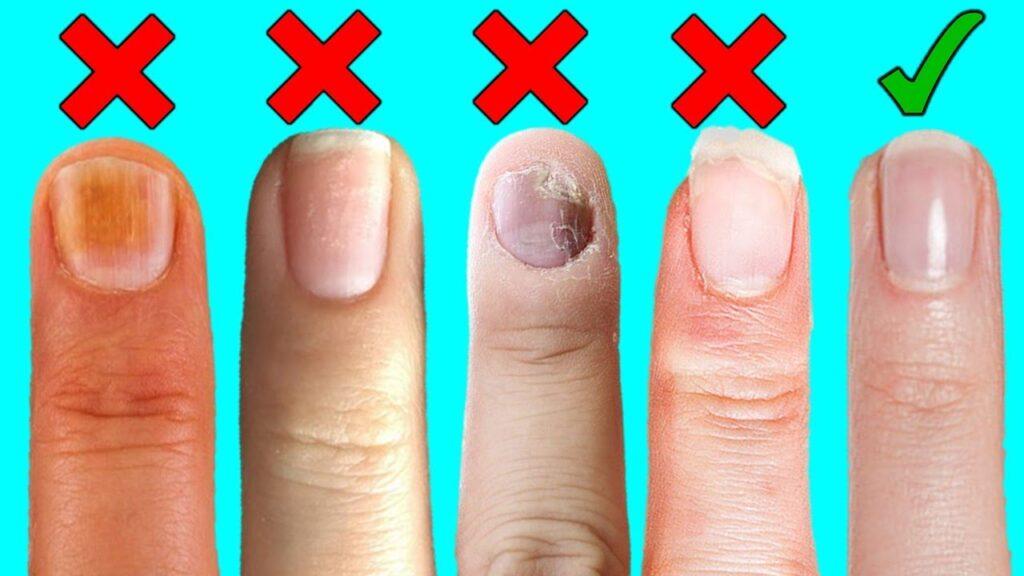
Your nails may seem like a small part of your body, but they say a lot about your overall well-being. Smooth, strong, and shiny nails not only look attractive but also reflect good internal balance. When nails become weak, brittle, or discolored, it can be a sign that something needs attention. Many people focus on skin and hair care, but nails health is just as important. Healthy nails...
Upcoming Projects in Chandigarh are attracting homebuyers and investors who are looking for premium apartments, luxury villas, residential plots, and modern gated communities in one of North India’s most prestigious real estate destinations. With rapid development in New Chandigarh, Mohali, Zirakpur, Panchkula, and Chandigarh, the region offers excellent opportunities to buy a dream...

Managing healthy blood sugar levels has become a priority for millions of adults looking to maintain their overall wellness. While a balanced diet, regular physical activity, and healthy lifestyle habits remain the foundation of blood sugar management, many people also explore natural dietary supplements for additional support. GlycoMute is one such supplement that has gained attention in 2026....

The increasing need for precise data acquisition and reliable signal processing is driving the adoption of advanced signal conditioning technologies across industries worldwide. As industrial systems become more complex and data-driven, organizations are focusing on improving accuracy, reducing signal noise, and ensuring stable data transmission. Signal conditioning solutions are becoming...