How Structured Hazard Management Strengthens Everyday Work Safety
How Structured Hazard Management Strengthens Everyday Work Safety
Every organization operates with some degree of risk, regardless of its industry or scale. Yet, the gap between workplaces with excellent safety performance and those facing repeated incidents is rarely accidental. The key difference lies in consistency—particularly in how effectively risks are recognized and controlled before tasks begin. When hazard management is handled through a structured approach supported by permits, inspections, and organized checklists, safety is no longer treated as a separate obligation. Instead, it becomes a natural and integrated part of routine operations.
Establishing a Common Understanding of Hazards
A hazard can be defined as any condition, object, or situation that has the potential to cause harm. This harm may impact employees, interrupt operations, damage equipment, or affect workplace infrastructure. Hazards may arise from machinery, materials, environmental factors, or even the methods used to perform tasks.
While this definition appears straightforward, challenges emerge when individuals interpret hazards differently. If workers, supervisors, and safety teams are not aligned in their understanding, hazard reporting becomes inconsistent and risk evaluations lose reliability. This can result in solutions that address only visible problems while underlying risks remain uncorrected. To avoid such gaps, many organizations use a structured classification model that organizes hazards into six distinct categories. This approach simplifies identification, improves communication, and ensures that appropriate controls are applied effectively.
Exploring the Six Types of Workplace Hazards
Safety hazards are among the most visible and immediate threats. Examples include unguarded edges, open floor gaps, obstructed pathways, moving machinery, or malfunctioning equipment. Because these hazards can cause instant injury, protective measures must be in place before work begins. These often include physical barriers, access restrictions, permit approvals, and final condition checks.
Chemical hazards, although sometimes less obvious, pose serious risks. Exposure to harmful gases, dust, liquids, or chemical residues can lead to burns, respiratory problems, poisoning, or long-term health effects. Controlling these risks involves minimizing exposure through substitution, proper ventilation, sealed systems, clear labeling, and suitable protective gear. Including these precautions within permit and inspection processes helps maintain consistency.
Biological hazards result from exposure to harmful microorganisms or contaminated materials such as bacteria, viruses, fungi, or waste. These risks are common in sectors like healthcare, food handling, sanitation, and laboratory work. Managing them requires strict hygiene practices, controlled access, and preventive health measures. Their success depends on regular and disciplined application.
Physical hazards often develop over time rather than causing immediate harm. Factors such as excessive noise, vibration, extreme temperatures, radiation, or inadequate lighting can gradually affect health and performance. Managing these risks involves monitoring exposure levels, maintaining equipment, and using protective engineering solutions like enclosures or shielding. Adjusting work schedules can also help limit prolonged exposure.
Ergonomic hazards are linked to the physical demands placed on workers. Activities involving repetitive motion, heavy lifting, awkward positioning, or poorly designed workstations can result in strain or injury. Preventive measures include improving workstation design, modifying tools, reducing load weight, rotating tasks, and allowing sufficient recovery time. When these practices are built into standard procedures and verified during inspections, they remain more effective.
Psychosocial hazards influence mental well-being and decision-making. Excessive workloads, extended working hours, unclear responsibilities, and poor communication can increase stress and lead to mistakes. Managing these risks involves proper workforce planning, realistic scheduling, clearly defined roles, and open communication. A supportive workplace culture plays a critical role in maintaining safety in this area.
Integrating Risk Control Into Daily Operations
An effective safety program goes beyond identifying hazards—it ensures that corrective action follows. A reliable process typically involves four steps: recognizing the hazard, evaluating the level of risk, implementing appropriate controls, and confirming those controls before work starts. This structured cycle promotes consistency and reduces reliance on individual judgment alone.
Digital solutions strengthen this process further. Electronic permit systems improve visibility for high-risk work, structured isolation procedures help prevent errors, and mobile checklists allow on-site verification. These tools connect planning with execution and reinforce accountability.
Transitioning From Paper to Digital Safety Systems
Paper-based systems often lead to delays, missing records, and incomplete documentation, which can weaken safety processes. Digital platforms provide better organization and make it easier to follow required procedures. When hazard identification, risk assessment, and control measures exist within a single system, teams gain clearer direction and improved consistency. Supervisors can track progress instantly, while workers understand exactly what must be completed before starting their tasks.
A practical starting point is to align daily operations with the six hazard categories and include standard control measures within permits and inspections. Mobile verification tools and tracking dashboards help highlight recurring issues and pending actions. Over time, this structured approach improves accountability, reduces incidents, and supports a stronger and more reliable safety culture built on consistent risk management.
Book a free demo @ https://toolkitx.com/blogsdetails.aspx?title=Types-of-workplace-hazards:-examples,-and-how-to-control-them
Categorias
Leia mais
What if every quotation, invoice, proposal, letter, and official document your business sends could instantly look more professional, credible, and memorable? That is the power of custom letterhead printing. In a competitive business environment, tiny details can create enormous differences. Your customers may not consciously analyse your letterhead, but they notice when a document looks...

Here is a structured Headwear Market analysis with company references and quantified values: 🧢 Headwear Market Overview Market size: ~USD 29.7B (2026) → USD 38.6B (2031) at ~5.3% CAGR Alternative estimate: USD 37.0B (2025) → USD 62.8B (2033) at ~6.9% CAGR Key players: Nike Adidas Puma Under Armour New Era Cap H&M Zara...

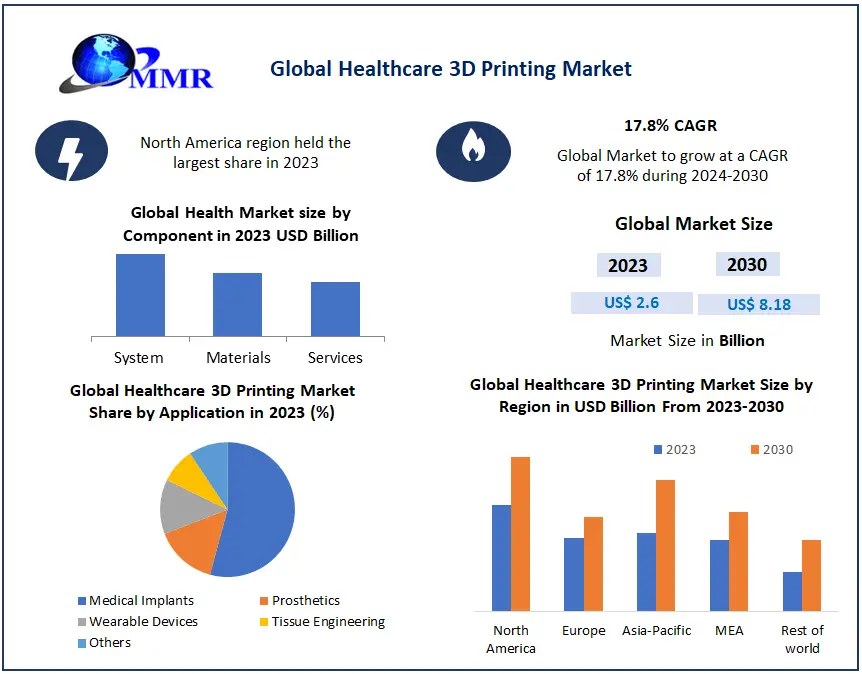
Healthcare 3D Printing Market to Reach USD 8.18 Billion by 2030 at 17.8% CAGR | Future of Healthcare, AI-Driven Precision Medicine Boom The global Healthcare 3D Printing Market is entering a transformative growth phase as hospitals, biotechnology firms, pharmaceutical innovators, and medical device manufacturers accelerate investments in personalized healthcare technologies....
在數位娛樂快速發展的今天,越來越多玩家開始重視行動裝置上的即時娛樂體驗,而game one娛樂城下載也因此成為許多用戶搜尋的熱門關鍵詞。對於喜歡隨時隨地享受高品質遊戲內容的玩家而言,選擇穩定、安全且操作流暢的平台至關重要。gameone以現代化介面設計、快速登入流程以及多元遊戲內容,讓玩家無論是在手機、平板還是電腦端,都能獲得一致且順暢的使用感受。 許多玩家在搜尋game one娛樂城下載時,最在意的就是安裝流程是否簡單。優質的平台下載體驗應該具備快速、直覺、低門檻三大特點。對於首次接觸的用戶來說,只需要完成基本安裝步驟,即可快速進入平台首頁,省去繁瑣設定時間。這種便利性不僅提升整體效率,也讓玩家能更快投入自己喜愛的娛樂模式之中。...

As artificial intelligence continues transforming digital marketing, businesses are increasingly seeking tools that simplify campaign creation, automate content production, and improve customer engagement. For small businesses with limited creative and marketing resources, AI-powered design and campaign automation platforms are becoming essential growth tools. In this evolving landscape, AI...