


Why Digital Permit-to-Work Is More Than Just a Compliance Requirement
Why Digital Permit-to-Work Is More Than Just a Compliance Requirement
In many workplaces, permit-to-work procedures are often treated as nothing more than standard documentation—forms completed mainly to satisfy compliance before a task begins. When viewed from this perspective, the process feels like an administrative duty instead of something that adds real value. Yet, when thoughtfully designed and supported by digital solutions, permit-to-work becomes an essential system for managing activities that involve elevated risk or significant operational impact.
When applied effectively, PTW shapes the entire lifecycle of a task—from preparation and evaluation to approval and completion. Rather than relying on informal discussions or scattered records, teams follow a clear and organized process that establishes accountability and structure. Each participant understands their responsibilities, reducing misunderstandings and ensuring smoother collaboration. This level of clarity becomes especially important for organizations handling diverse technical operations or working across multiple locations, where maintaining consistency is critical. A well-defined permit system helps ensure that expectations and safety practices remain aligned regardless of the type or location of work.
Understanding the Purpose of Permit-to-Work
At its core, permit-to-work acts as an official authorization, confirming that necessary checks have been completed before any activity starts. It ensures that potential risks have been identified, evaluated, and addressed with appropriate precautions. However, its importance extends beyond confirming safety measures. It also creates a single, reliable source of information for everyone involved.
Whether it is the person requesting approval, the individual granting permission, or the team performing the task, everyone can refer to the same details. Information such as the scope of work, its location, assigned personnel, and time frame remains clearly documented and accessible. This shared understanding helps prevent confusion and supports better coordination.
Digital platforms enhance this process by bringing everything into one connected system. Instead of relying on separate documents spread across departments, permits, checklists, and related records become part of a unified workflow. This connected approach minimizes the likelihood of missed steps, overlooked precautions, or delays caused by incomplete communication. Each phase of the work remains visible and documented, allowing teams to manage tasks more effectively from start to finish.
Improving Efficiency While Maintaining Oversight
Paper-based permit systems often create delays. Filling out forms manually, obtaining physical signatures, and locating documents can slow progress and consume valuable time. These manual methods also increase the possibility of errors or miscommunication, particularly when multiple teams are involved.
Digital permit-to-work systems address these challenges by simplifying processes and improving visibility. All required information is stored in one centralized location, allowing approvals to move forward quickly and efficiently. Automated notifications ensure that requests receive attention, while supervisors can easily track the status of permits—whether they are pending, approved, or completed. Workers benefit from clear confirmation when authorization is granted, allowing them to proceed with confidence. Built-in checks also help detect missing information before work begins, reducing delays and preventing the need for corrections later.
Features That Strengthen Digital Permit-to-Work
A well-designed digital PTW system does more than convert paper forms into electronic versions. It actively supports organized and controlled work execution. Standardized templates ensure that each job type follows the correct procedure, while prompts guide users to review hazards and confirm protective measures.
Integration with isolation processes and related safety controls helps ensure that critical steps are properly verified and documented. The system can also identify overlapping tasks, helping teams recognize potential conflicts before they become issues. Competency validation ensures that only qualified personnel are assigned to specific activities. Mobile access allows approvals, updates, and documentation to take place directly at the work site, making the process more efficient and practical. Over time, the data collected provides valuable insight into how permits are handled and completed.
Integrating Permit-to-Work into Daily Operations
Introducing a permit-to-work system successfully requires both careful planning and the right technology. Standardizing permit formats and approval processes across locations helps maintain consistency while still allowing flexibility for site-specific needs. Many organizations begin by applying structured permits to high-risk activities, where the benefits are most immediate.
For maximum effectiveness, permit-to-work should become part of regular workflows instead of being treated as a separate administrative task. Linking permits with maintenance planning and everyday operational processes helps improve coordination and reduces repetitive work. Training is equally important, especially when it reflects real operational scenarios. Ongoing monitoring ensures the system continues to function properly and delivers consistent results.
Moving Beyond Compliance to Gain Operational Value
One of the most significant advantages of digital permit-to-work systems is the improved visibility they provide. Organizations can monitor approval timelines, identify delays, and review completed tasks more easily. Having structured and searchable records simplifies internal reviews and audit preparation.
Over time, permit-to-work evolves beyond its original role as a compliance tool. It becomes a valuable source of operational insight. By documenting how tasks are performed, it allows organizations to identify patterns, resolve recurring challenges, and improve overall efficiency. This transformation enables permit-to-work to support not only safer working conditions but also more organized, reliable, and efficient operations.
Book a free demo @ https://toolkitx.com/blogsdetails.aspx?title=How-a-permit-to-work-system-improves-efficiency-(and-safety)
Categorias
Leia Mais
Dubai has become one of the world’s leading destinations for exhibitions, trade fairs, and international business events. Every year, global companies gather in the city to showcase products, launch innovations, strengthen partnerships, and generate business opportunities. From technology expos to construction trade fairs, Dubai offers brands direct access to highly competitive...
What Replaced Craigslist Personals? The removal of Craigslist Personals changed the way people connect online. Once part of Craigslist, it allowed users to post simple, text-based ads to meet others locally. After its shutdown, users began searching for a reliable Craigslist personal alternative that offers similar convenience with improved safety and features. Today, a mix of dating apps,...

Making Amazon SOA-C03 Exam Study Simple and Stress-Free Preparing for the Amazon SOA-C03 exam does not have to feel stressful or confusing. Many students struggle because they study too much without a clear plan. They read many resources but still feel unsure about what really matters for the exam. Choosing clear and trusted Amazon SOA-C03 study material makes preparation simple, focused, and...

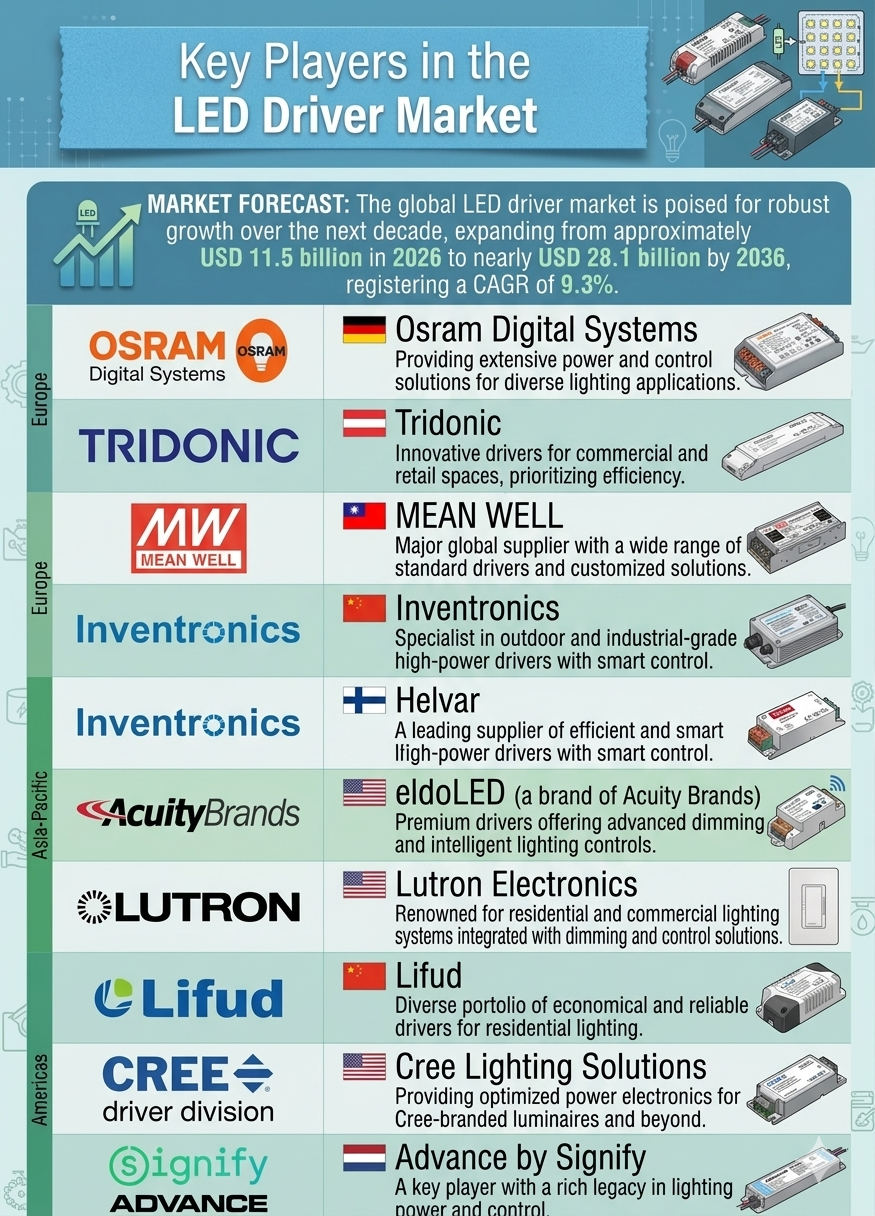
The global LED driver market is poised for robust growth over the next decade, expanding from approximately USD 11.5 billion in 2026 to nearly USD 28.1 billion by 2036, registering a CAGR of 9.3%, according to the latest analysis by Future Market Insights (FMI). Market expansion is being driven by the rapid adoption of energy-efficient lighting systems, increasing penetration of smart lighting...
" Smart Textile Market Overview The global smart textile market size was valued at USD 3.45 billion in 2024 and is projected to reach from USD 4.23 billion in 2025 to USD 21.46 billion by 2033, growing at a CAGR of 22.51% during the forecast period (2025-2033). Download Exclusive Research Report PDF Sample: (Including Full TOC, List of Tables...