Safety Violations in 2026: The Hidden Operational Impact of Everyday Safety Failures
Safety Violations in 2026: The Hidden Operational Impact of Everyday Safety Failures
By 2026, workplace safety is no longer treated as a routine obligation completed to satisfy regulatory requirements. It has become a key factor in keeping operations stable and ensuring organizations can function without interruption. While penalties and violations often attract the most attention, they represent only a fraction of the overall impact. The more damaging consequences tend to appear gradually—through disrupted workflows, reduced productivity, unexpected overtime, temporary corrective measures, rising insurance expenses, and a gradual decline in organizational confidence. In industrial environments, these effects can intensify quickly. The greatest damage is rarely caused by a single major incident, but by the continuous buildup of small, avoidable errors. Preventing this slow erosion requires more than written procedures. It depends on consistent execution, shared responsibility, and systems that help identify and manage risks as part of everyday work.
A safety violation arises whenever established protective measures are not followed correctly. This can include missing authorization permits, incomplete equipment isolation, rushed safety evaluations, expired qualifications, poorly maintained work areas, or incorrect use of protective gear. Sometimes, individuals intentionally bypass steps to save time. In other situations, procedures may be confusing or impractical in real-world conditions. Regardless of the cause, these situations expose a disconnect between how tasks are intended to be performed and how they actually happen. It is within this disconnect that incidents begin—and where financial consequences quietly emerge.
When incidents occur, organizations usually pay attention first to the most visible expenses. These often include fines, medical treatment, compensation, property damage, emergency services, and immediate repair costs. Because these losses are straightforward to calculate, they often receive the most focus. However, the larger impact often comes from indirect consequences that are less obvious. Even a minor oversight can interrupt schedules, slow production, delay contractors, or halt important operations. Missed timelines may create pressure to accelerate work, strain client relationships, and weaken trust. At the same time, internal teams must invest significant effort into investigations, reporting, corrective planning, and compliance activities. Managers and specialists are pulled away from their primary responsibilities to deal with the aftermath. Although the initial incident may seem small, its effects can extend much further than expected.
In modern business environments, where speed and efficiency are essential, disruptions are difficult to absorb. Organizations operate with lean staffing, strict deadlines, and high performance expectations. Under these conditions, even small interruptions can affect multiple areas. A near-miss alone may lead to additional reviews, closer supervision, and slower progress. When similar issues occur repeatedly, they begin to signal deeper operational concerns rather than isolated mistakes. This perception can influence business relationships, affecting contract renewals, partnerships, and overall competitiveness.
Insurance considerations add another layer of importance to safety performance. Insurance providers increasingly evaluate how well organizations manage risk when determining premiums and coverage conditions. Weak documentation, unclear accountability, or incomplete corrective actions can lead to increased insurance costs and greater financial exposure. As a result, safety performance now plays a direct role in how external stakeholders assess organizational reliability and stability.
Safety breakdowns rarely remain contained. They often trigger a series of additional challenges, including unexpected downtime, quality issues caused by rushed work, declining employee confidence, higher staff turnover, and increased training needs. Over time, these effects weaken operational effectiveness and make it harder for organizations to maintain performance and pursue growth opportunities.
Organizations that excel understand that safety reflects the overall health of their operations. Rather than responding only after incidents occur, they focus on recognizing early warning signs and addressing risks before they escalate. This approach depends on clear accountability at every level, processes that make safe actions easy to follow, and visibility into daily activities to identify patterns and emerging concerns.
Modern EHS systems support this proactive approach by embedding safety into routine operations. They help standardize permit processes and isolation procedures, simplify risk evaluations, and make incident and near-miss reporting easier. They also ensure corrective actions are assigned, monitored, and completed. Built-in analytics highlight recurring issues, overdue activities, and developing risk patterns, while organized digital records reduce administrative workload and audit challenges.
Progress does not require immediate, large-scale transformation. Organizations can begin by concentrating on their most significant risks, integrating controls into simple digital processes, tracking early warning indicators, and using near-misses as learning opportunities. When supervisors have clear visibility into potential risks, they can intervene early and prevent larger problems.
Safety incidents are not random events. They are indicators of weaknesses in how work is performed. Addressing these weaknesses does more than avoid penalties—it improves operational resilience, protects financial performance, and allows organizations to move forward with greater confidence and stability.
Book a free demo @ https://toolkitx.com/blogsdetails.aspx?title=The-real-cost-of-safety-violations-in-2025:-fines,-downtime,-and-the-$1b/week-problem
Категории
Больше
Maintaining stable blood sugar levels has become a growing concern for many people in today’s fast-paced world. With changing lifestyles, processed diets, and reduced physical activity, issues like fluctuating glucose levels, energy crashes, and sugar cravings are increasingly common. These challenges not only affect daily energy and focus but also long-term health and well-being. This is...

Weight loss has become one of the most important health goals for people across the world. Modern lifestyles filled with stress, unhealthy eating habits, long sitting hours, lack of exercise, and poor sleep have made weight gain more common than ever. Many people struggle with low energy, reduced confidence, and health problems caused by excess body fat. For some individuals, weight...

A legendary piece in the world of collectibles, the Pikachu Illustrator card, is recognized as the rarest Pokémon card ever created. Recently, it fetched a staggering $4 million at an auction on eBay, setting a new record for card sales. The card, graded PSA 9 Mint, was listed by veteran collector smpratte and concluded at a flat price on September 12, marking one of the highest sales...

In today’s digital era, visual storytelling has become one of the most powerful ways to connect with audiences. Businesses are no longer relying solely on text-based content to share their message. Instead, they are using engaging visuals and compelling narratives to capture attention and build trust. Video content, in particular, allows brands to communicate emotions, values, and ideas...

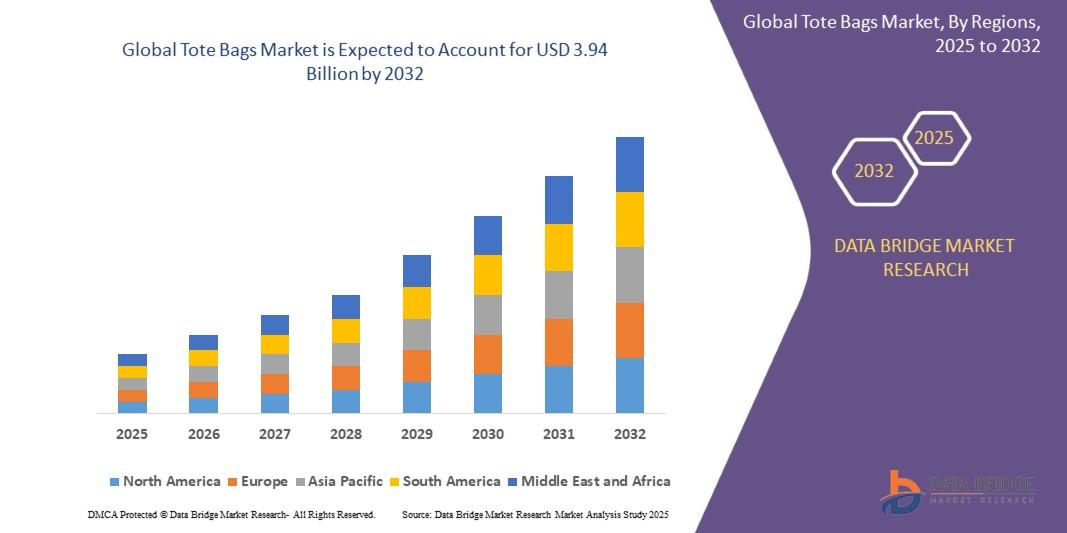
The Tote Bags Market has evolved into a dynamic and fast-growing segment of the global accessories and lifestyle industry. Once considered a simple utility product, tote bags are now positioned at the intersection of fashion, sustainability, branding, and everyday convenience. Rising environmental awareness, changing consumer preferences, and the rapid expansion of retail and...