Can I get family-run business tax help in High Wycombe?

Can I Get Family-Run Business Tax Help in High Wycombe?
If you're running a family business in High Wycombe and wondering, "Can I get family-run business tax help in High Wycombe?" the answer is a resounding yes. Over my 20-plus years advising local businesses, from small shops in the Eden Centre to manufacturing outfits on the Cressex Business Park, I've seen how tailored tax support can make all the difference. Family-run operations often face unique challenges, like balancing personal and business finances or planning for the next generation, and High Wycombe has a solid network of professionals ready to step in. But it's not just about finding any accountant—it's about getting advice that fits your setup, whether you're a partnership passing the reins to kids or a limited company dealing with payroll for relatives.
In this piece, I'll draw from real client experiences to explain how to access that help, what to expect under current UK tax rules, and practical steps to optimise your position. We'll cover everything from day-to-day compliance to long-term strategies, always keeping in mind HMRC's latest guidance for small businesses.
Understanding Family-Run Businesses and Their Tax Needs
Family businesses are the backbone of places like High Wycombe, where I've advised everything from husband-and-wife retail teams to multi-generational construction firms. These setups often blend personal relationships with professional ones, which can complicate tax matters. For instance, one client I worked with—a local bakery run by a couple and their two adult children—started as a sole trader but grew into a limited company. They needed help navigating the shift, ensuring everyone’s earnings stayed tax-efficient without triggering HMRC red flags.
Under UK tax rules for 2025/26, the structure of your family business dictates your obligations. If you're a sole trader employing family members, profits are taxed via income tax and Class 4 National Insurance Contributions (NICs) on your self-assessment return. Partnerships, common in family setups, split profits among partners, each filing their own returns. Limited companies pay corporation tax on profits, with directors drawing salaries or dividends. I've seen many families overlook how these choices affect allowances—like the £12,570 personal allowance per person—which can lead to unnecessary tax bills.
A key area where tax help proves invaluable is employing relatives. HMRC allows this, but it must be genuine work at a commercial rate. For example, if your spouse handles admin for your tax accountant in a High Wycombe plumbing business, their salary is deductible as a business expense, reducing your taxable profits. But pay too little, and HMRC might question it during an enquiry. In one case, a client paid their partner £10,000 annually for part-time bookkeeping; we documented hours and duties to satisfy HMRC, saving them around £2,000 in corporation tax.
Key Tax Allowances and Reliefs for Family Businesses
Diving deeper, let's look at allowances that can ease the burden. The personal allowance remains frozen at £12,570 for 2025/26, meaning family members can earn this much tax-free. For NICs, the lower earnings limit is £6,500, but employer contributions kick in above £9,100 for Class 1. In family firms, spreading income across members maximises these thresholds. Take a scenario I've encountered often: a father-son electrical business in High Wycombe. By employing the son at £15,000 salary, they utilised his full allowance, deducted it from business profits, and avoided higher-rate tax on the father's share.
Then there's the Employment Allowance, up to £5,000 (note: this can vary; always check HMRC for updates), which reduces your NIC bill if you're paying family employees. For smaller outfits, this can cover the entire liability. I've helped clients claim it retrospectively, recovering overpayments—one family-run cafe reclaimed £3,200 after missing it for two years.
Corporation tax rates are crucial too. For profits under £50,000, it's 19% (small profits rate), rising to 25% above £250,000, with marginal relief in between. Family companies often stay in the lower band by distributing profits wisely. Dividends are another tool: basic-rate taxpayers pay 8.75% on amounts over the £500 dividend allowance. In practice, a director couple might each take £12,570 salary (tax-free) and top up with dividends, keeping overall tax under 20%.
But watch for pitfalls. HMRC's settlements legislation can tax dividends back to the main earner if shares are gifted to a spouse without real involvement. I once advised a High Wycombe printing firm where the husband gifted shares to his wife; we structured it with her active role in decisions to avoid reallocation.
Navigating Self-Assessment and HMRC Compliance
Self-assessment is where many family businesses stumble, especially with deadlines looming. For 2025/26, paper returns are due by 31 October 2026, online by 31 January 2027. Payments on account follow in January and July. In High Wycombe, I've seen delays cost penalties—up to £100 initially, escalating to £10 daily. One client, a family landscaping business, faced £1,200 in fines after missing records during a busy season; we appealed successfully by proving reasonable excuse.
HMRC's Making Tax Digital (MTD) rolls out further, requiring quarterly digital updates for income tax from April 2026 for those over £50,000 turnover (dropping to £30,000 in 2027). Family businesses must prepare, using compatible software. I recommend starting early; a client transitioned smoothly, spotting overclaimed expenses worth £4,500.
For VAT, if turnover hits £90,000 (threshold for 2025/26), register promptly. Family firms in retail or services often cross this unwittingly. Flat-rate schemes can simplify, charging 12-16.5% depending on sector, but calculate if it saves money—I've switched clients to standard accounting when input VAT was high.
Local Tax Challenges in High Wycombe
High Wycombe's economy, with its mix of tech hubs, furniture makers, and commuter-driven services, brings specific tax hurdles. Property costs are rising, affecting business rates relief. Family landlords renting to their own company can claim deductions, but arm's-length terms are key to avoid HMRC challenges.
Payroll for family is another hotspot. P60s and P45s must be issued correctly, with RTI submissions real-time. Errors here trigger enquiries; I've defended clients by reconstructing payslips from bank statements.
In summary for this part, accessing family-run business tax help in High Wycombe starts with understanding your structure and leveraging allowances. But to make it actionable, you need local expertise.
Finding the Right Tax Adviser in High Wycombe
Building on the foundations of tax rules and compliance, let's turn to sourcing help locally. High Wycombe boasts several firms experienced in family businesses. For instance, Seymour Taylor, a longstanding outfit on London Road, specialises in business and tax advice for family operations, from succession planning to VAT returns. I've crossed paths with their team on joint clients, and they excel in scenarios like incorporating a family partnership.
Similarly, Dashwoods Accountants in the town centre offer chartered services tailored to SMEs, including family tax planning. They helped one of my referrals—a local furniture restorer run by siblings—optimise inheritance strategies amid rising property values. Then there's AIMS Accountants, with Gavin Wilson based nearby, focusing on Thames Valley family firms. His 15+ years cover everything from self-assessment to payroll, ideal for smaller setups.
Saffery's High Wycombe office provides broader advisory, including transaction services for family buyouts. Eacotts and Wilson Partners also stand out for their family tax focus, offering investment advice and wealth management. Rouse Partners, just outside in Beaconsfield, serve many Wycombe clients with award-winning tax planning. Don't overlook TFMC for tax returns or Total Tax Accountants for comprehensive support.
When choosing, look for ICAEW or ACCA accreditation, and ask about family business experience. Fees vary—hourly £150-£300 or fixed for returns around £500-£1,500. Initial consultations are often free; use them to discuss your setup.
Advanced Tax Planning for Succession and Growth
Succession is a hot topic for family businesses, especially with inheritance tax (IHT) changes on the horizon. For 2025/26, the nil-rate band is £325,000, plus £175,000 residence nil-rate for homes passed to children. But from 6 April 2026, Business Property Relief (BPR) caps at £2.5m per person for 100% relief (up to £5m for couples), then 50% on excess—effectively 20% tax. This hits family firms hard; a £4m business would face £300,000 IHT post-cap.
In practice, I've advised gifting shares early to start the seven-year PET clock, but taper relief applies if you die within. One High Wycombe engineering family gifted 40% shares to children, using holdover relief to defer CGT. We modelled scenarios: pre-change, zero IHT; post-2026, potentially £400,000 if not planned.
Capital Gains Tax (CGT) allowances are £3,000 for 2025/26, with rates 10/20% for basic/higher on business assets (via Business Asset Disposal Relief). Families selling parts of the business can claim this, reducing effective rate to 10%.
For growth, R&D tax credits are underused. If your family tech firm in Wycombe innovates, claim up to 27% relief on qualifying spend. A client claimed £25,000 back on software development.
Practical Examples and Calculations
Consider a hypothetical High Wycombe cafe run by parents and daughter as a limited company, profits £80,000. Salaries: £12,570 each (tax-free), deducting £37,710 from profits. Remaining £42,290 taxed at 19% corporation (£8,035). Dividends: each £10,000, tax £437.50 per basic-rater after allowance. Total tax saved vs sole trader: around £5,000.
Another: partnership with £100,000 profits split 50/30/20. Each uses allowance; basic tax on excess. NICs Class 2 £3.45/week, Class 4 9% on £12,570-£50,270.
Here's a table of key 2025/26 thresholds:
|
Category |
Threshold/Rate |
Notes |
|
Personal Allowance |
£12,570 |
Tax-free earnings per person |
|
Basic Rate Income Tax |
20% on £12,571-£50,270 |
After allowance |
|
Corporation Tax (Small Profits) |
19% on <£50,000 |
Marginal relief to £250,000 |
|
Dividend Allowance |
£500 |
Tax-free dividends |
|
Dividend Tax (Basic) |
8.75% |
Over allowance |
|
VAT Registration |
£90,000 turnover |
Mandatory above |
|
IHT Nil-Rate Band |
£325,000 |
Per person, plus residence band |
|
Employment Allowance |
£5,000 |
Reduces employer NICs |
|
CGT Annual Exempt |
£3,000 |
For asset sales |
|
BPR (Pre-2026) |
100% on qualifying assets |
Changes April 2026 |
Dealing with HMRC Enquiries and Disputes
Enquiries are rising for family businesses, often on employed relatives or expenses. HMRC's tool for sole traders helps, but professional help is key. I've represented clients in random checks, providing evidence like timesheets to close cases without penalty.
For disputes, appeal within 30 days; tribunals are free. A High Wycombe retail family won back £10,000 in overassessed VAT by challenging input claims.
Expanding Beyond Tax: Holistic Advice
Finally, good advisers integrate tax with business advice. In High Wycombe, firms like Affinity Associates offer legal and management support for family dynamics, like shareholder agreements to prevent disputes.
With these insights, you're equipped to seek family-run business tax help in High Wycombe effectively. Remember, early planning avoids costly surprises.
الأقسام
إقرأ المزيد
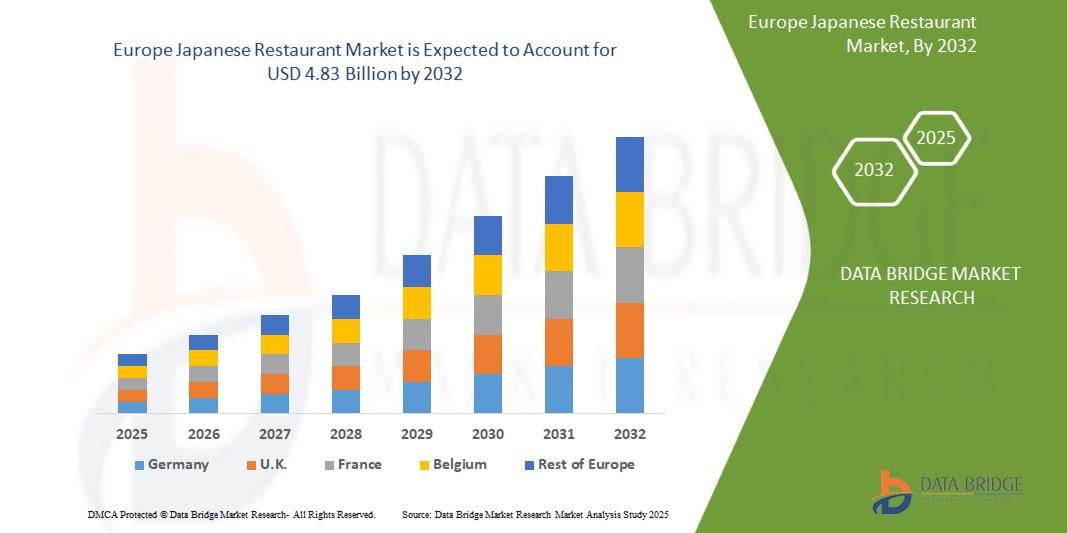
The Europe Japanese Restaurant Market has experienced remarkable growth over the last decade, driven by rising consumer interest in authentic international cuisines, expanding tourism, increasing health awareness, and the popularity of sushi, ramen, teriyaki, and tempura-based menus. As Japanese food culture becomes more mainstream across Europe, the market continues to mature with...
Les crypto casinos se développent rapidement et proposent aujourd’hui des expériences de jeu très proches de celles des casinos traditionnels. Parmi les options les plus attractives, les jeux en direct se démarquent, car ils permettent d’interagir avec de vrais croupiers en temps réel, tout en conservant la rapidité et...

Welcome to FUTBIN ES FUTBIN ES is now available, offering a dedicated Spanish-language hub for FUT fans in Spain and Latin America. You can look forward to daily articles, weekly video content, tailored tips, and market analysis designed specifically for Spanish-speaking players. This platform aims to bring relevant and localized information to the entire FUT community in the Spanish-speaking...

Germany Softball Equipment Market Growth Outlook The global Germany Softball Equipment Market growth trajectory is accelerating, supported by technological advancements, shifting consumer preferences, and the broadening scope of industry applications. This report provides a holistic evaluation of the Germany Softball Equipment Market, analyzing major growth drivers, emerging...
Life is filled with emotions, relationships, responsibilities, and unexpected situations that can sometimes become difficult to handle. Many people experience problems in love relationships, delays in marriage, misunderstandings within the family, career uncertainty, and emotional stress. These challenges often affect confidence, peace of mind, and overall happiness. In such situations,...