


Carbide Drill for Stainless Steel – Best Practices & Tips Guide
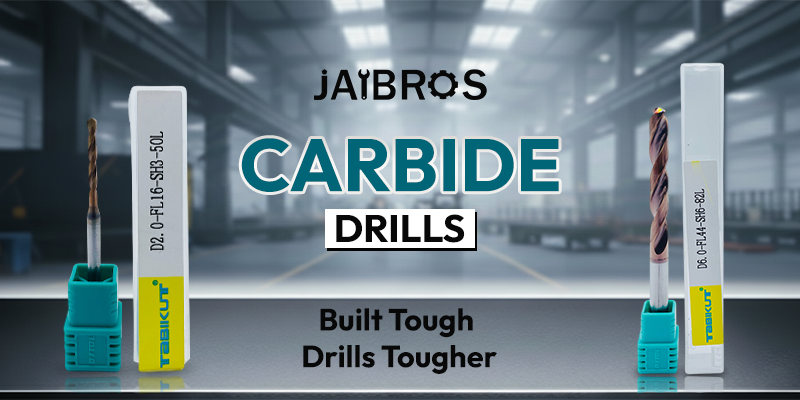
Learn the best practices and expert tips for using a carbide drill on stainless steel. Improve tool life, cutting performance, and machining efficiency.
How to Use a Carbide Drill for Stainless Steel Efficiently
Stainless steel is widely used in industries such as automotive, aerospace, medical equipment, and heavy engineering because of its strength, corrosion resistance, and durability. However, machining stainless steel is not easy. It generates high heat, work-hardens quickly, and can cause rapid tool wear if the wrong cutting tools or parameters are used.
One of the most reliable tools for this job is a carbide drill. Known for its hardness and heat resistance, this tool offers better precision and longer tool life compared to many traditional alternatives. In this guide, we will explore best practices and practical tips to achieve optimal performance while drilling stainless steel.
Why Stainless Steel Is Difficult to Drill
Before discussing tool strategies, it’s important to understand the challenges of stainless steel:
-
High tensile strength
-
Low thermal conductivity
-
Tendency to work-harden
-
High heat generation during cutting
If improper speeds or tools are used, the material hardens quickly, leading to tool breakage and poor hole quality. That’s why choosing the right drilling tool and applying the correct machining parameters is critical.
Why Choose a Carbide Drill for Stainless Steel?
A carbide performs exceptionally well in tough materials because of its superior hardness and wear resistance. Compared to high-speed steel tools, it maintains sharpness for longer and withstands higher cutting temperatures.
Key benefits include:
-
Higher cutting speeds
-
Improved dimensional accuracy
-
Better surface finish
-
Longer tool life
-
Reduced downtime
In high-production environments, these advantages translate into cost savings and improved efficiency.
Selecting the Right Tool Type
1. Solid Carbide Drill
A solid carbide drill is manufactured from a single piece of carbide material. It offers excellent rigidity and precision, making it ideal for deep holes and high-speed machining. It is commonly used in CNC applications where accuracy and consistency are required.
2. Indexable Inserts and Tool Sets
For operations that require multiple diameters, a carbide drill bit set can be useful. It provides flexibility and convenience, especially in workshops handling various hole sizes.
When selecting any drill bit, ensure it is designed specifically for stainless steel to avoid premature wear.
Best Practices for Drilling Stainless Steel
1. Use Proper Cutting Speed and Feed
Stainless steel requires moderate cutting speeds and steady feed rates. Too much speed increases heat, while too little feed can cause rubbing instead of cutting.
-
Maintain consistent feed pressure
-
Avoid dwelling in one position
-
Adjust speed based on material grade
A properly selected drill allows stable performance even at relatively higher speeds.
2. Apply Adequate Coolant
Heat management is essential. Stainless steel traps heat near the cutting zone, which can damage tools.
-
Use high-pressure coolant systems
-
Ensure coolant reaches the cutting edge
-
Consider through-coolant tool designs
Coolant not only extends tool life but also improves chip evacuation.
3. Focus on Tool Geometry
Tool geometry significantly impacts performance:
-
Point angle suitable for stainless steel
-
Proper helix angle for smooth chip flow
-
Sharp cutting edges to reduce work hardening
Many carbide drills are engineered with specialized geometries that reduce friction and improve cutting efficiency.
4. Avoid Work Hardening
One common mistake is stopping mid-cut. Stainless steel hardens quickly when exposed to friction without proper cutting action.
Tips to prevent work hardening:
-
Maintain consistent feed
-
Do not pause during drilling
-
Use sharp tools only
-
Replace worn tools immediately
A high-quality drill bit reduces friction and ensures clean cutting, minimizing hardening issues.
5. Ensure Proper Tool Holding
Tool stability is critical. Any vibration or runout can damage both the tool and the workpiece.
-
Use high-precision tool holders
-
Check spindle alignment
-
Reduce excessive overhang
Rigid setup ensures maximum performance from carbide and improves hole accuracy.
Coatings and Surface Treatments
Modern drilling tools often include coatings such as TiAlN or AlCrN. These coatings:
-
Increase heat resistance
-
Reduce friction
-
Improve wear resistance
When drilling stainless steel, coated tools perform significantly better than uncoated ones. They help maintain consistent quality and reduce tool replacement frequency.
Monitoring Tool Wear
Even high-performance tools eventually wear out. Monitoring wear patterns helps avoid sudden breakage.
Look for:
-
Chipping at the cutting edge
-
Excessive flank wear
-
Discoloration due to overheating
-
Poor surface finish in drilled holes
Replacing a worn drill at the right time prevents damage to expensive workpieces.
Cost Consideration and Long-Term Value
While carbide drill bits' price may seem higher compared to HSS tools, they offer better value over time. Longer life, faster machining, and reduced downtime make them cost-effective for industrial operations.
When evaluating carbide drill bits price, consider:
-
Tool life expectancy
-
Production volume
-
Material grade
-
Regrinding options
A well-chosen tool reduces per-hole cost significantly in large-scale production.
Common Mistakes to Avoid
-
Using incorrect speed settings
-
Applying insufficient coolant
-
Choosing the wrong geometry
-
Ignoring tool wear
-
Using unstable setups
Avoiding these mistakes ensures consistent hole quality and better productivity.
Productivity Tips for CNC Machining
For CNC environments, efficiency is crucial:
-
Use through-coolant tools
-
Optimize tool path strategy
-
Maintain machine calibration
-
Use high-rigidity spindles
-
Keep spare carbide tools available
Combining proper tool selection with optimized machining parameters ensures maximum output.
Safety and Maintenance
-
Always inspect tools before use
-
Store tools properly to avoid chipping
-
Clean tool holders regularly
-
Follow the manufacturer’s guidelines
Proper maintenance extends tool life and ensures consistent performance.
FAQs
1. Why is stainless steel harder to drill than mild steel?
Stainless steel generates more heat and tends to work-harden quickly, making it more challenging to machine.
2. Is a solid carbide drill better than HSS for stainless steel?
Yes, a solid drill offers better heat resistance, durability, and precision compared to HSS tools.
3. How can I increase tool life while drilling stainless steel?
Use proper cutting speeds, adequate coolant, and ensure stable tool holding to maximize performance.
4. Does coating matter for drilling stainless steel?
Yes, coated tools reduce friction and withstand higher temperatures, improving tool life and performance.
5. Are carbide drill bits worth the higher price?
Although carbide drill bits' price is higher initially, they provide long-term cost savings through longer tool life and higher productivity.
Conclusion
Drilling stainless steel requires the right combination of tool material, geometry, speed, coolant application, and machine stability. A properly selected carbide drill delivers excellent precision, durability, and productivity in demanding industrial environments. By following best practices such as maintaining consistent feed rates, using high-pressure coolant, and monitoring tool wear, manufacturers can significantly improve performance and reduce machining costs.
About Jaibros
Jaibros is a trusted manufacturer and supplier of high-performance cutting tools designed for precision machining. With a strong focus on quality, durability, and innovation, Jaibros provides reliable tooling solutions for industries working with stainless steel and other challenging materials. Their commitment to performance and customer satisfaction makes them a dependable partner for modern manufacturing needs.
Categorie
Leggi tutto
In the era of digital wellness and data-driven lifestyles, wearable tech continues to reshape how consumers track and improve their health. Among the most promising innovations in this space are fitness rings—sleek, minimal wearable devices that deliver round-the-clock biometric insights with comfort and precision. According to a comprehensive report by M2Square Consultancy, the...

Glutathione Injections (حقن الجلوتاثيون) have become a widely discussed wellness and aesthetic option for individuals interested in skin brightening, antioxidant support, and overall cellular detoxification. When people search for “How does Glutathione Injections in Dubai (حقن الجلوتاثيون في دبي) work?” or “What makes antioxidant injections effective for skin glow?”,...

For players diving into Duet Night Abyss, focusing on efficient farming strategies is essential for progression. If your goal is to gather Luno Memento coins for skill enhancements, weapon forging at Lunosmith, blueprint dupe farming, or pushing your Trial Rank beyond 60 in the Huaxu: The Wind Awakening expansion, this guide is your go-to resource. It emphasizes a straightforward, no-frills...
Introduction Online payments have become an everyday necessity for millions of people. Whether purchasing software, subscribing to streaming platforms, paying for cloud services, or shopping from international stores, consumers often look for payment methods that are simple and compatible with digital transactions. One search term that continues to attract attention is ezzocard.com,...

Choosing the right hood nickname is about creating an identity that feels memorable, confident, and authentic. Whether you need a nickname for gaming, social media, a group chat, a fictional character, or simply for fun, the perfect hood-inspired name can make a lasting impression. In this collection of 1285+ Hood Nickname Ideas 2026, you'll discover creative, stylish, funny, and powerful...
