


From Dlays to Real-Time Service: The Power of Mobile Service CRM
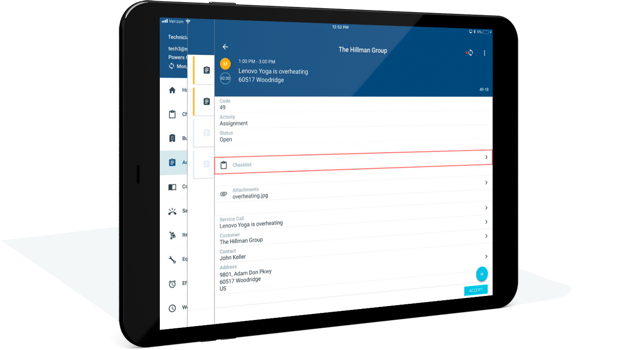
Service delays frustrate customers and exhaust teams. Missed updates, paperwork, and scattered systems slow everything down. In the middle of this chaos, Mobile Service CRM changes how field operations work by connecting technicians, dispatchers, and managers in real time. Instead of constantly putting out fires, businesses can prevent trouble before it spreads. With live data access and streamlined workflows, service teams move quickly, make steady decisions, and deliver consistent customer experiences that build long-term trust.
Breaking Free from Service Delays
Field service work can fall apart when messages get missed, and systems feel outdated. Real-time visibility shifts that pattern in a practical way.
-
Technicians receive job alerts right on their mobile devices, reducing wrong turns and wasted trips.
-
Dispatchers use live dashboards and GPS scheduling to manage tasks clearly.
-
Customer histories appear on-site, giving techs the facts before they start repairs.
-
Digital forms replace paper reports, lowering errors and missing notes.
When data is centralized and workflows are automated, calls and delays drop. Coordination feels smoother, response times improve, and accountability stays strong.
What Makes It Unique and Different
Many CRM systems keep track of customer data, but few truly support mobile field operations. The key difference is real-time integration combined with everyday operational needs.
-
Pairs with ERP and backend systems to keep updates consistent.
-
Supports offline work, so technicians are not stuck during outages.
-
Generates service reports and invoices as soon as tasks close.
-
Offers analytics dashboards to review performance and KPIs.
By joining office and field teams on one platform, it turns CRM into a working operational engine.
Why Businesses Choose This Approach
Managers care about results they can see in reports, not just software features. A strong mobile service solution helps control field tasks and build long-term value.
-
Reduces first-time fix failures by offering detailed equipment history at every job site.
-
Shortens service cycles thanks to automated scheduling and quick alerts.
-
Enhances customer satisfaction with clear communication and faster service.
-
Improves compliance by keeping digital documentation and complete audit trails.
Many organizations begin seeing higher productivity within a few months.
Implementation Without Disruption
Teams hesitate to adopt new technology due to fears of delays and confusion. A structured Mobile Service CRM rollout limits disruption through phased setup and user training.
-
Connecting it with the current ERP and service systems.
-
Assigning access based on responsibilities to protect records.
-
Field training encourages technicians to use it.
This rollout lets businesses modernize without pausing daily service tasks.
Benefits That Drive Long-Term Growth
Efficiency tells part of the story. The deeper results show in strong customer loyalty and steady financial performance over time.
-
Faster invoicing strengthens cash flow and makes revenue planning less uncertain.
-
Real-time analytics identify process gaps before they create serious expenses.
-
Standardized workflows maintain the same service standards across regions.
-
Mobile accessibility lets technicians concentrate on customer needs instead of paperwork.
With these practices in place, businesses build a service model designed to stay competitive.
Conclusion
Delays no longer need to define service operations. With Mobile Service CRM, businesses move from reactive problem-solving to proactive service excellence. Real-time visibility, automation, and seamless integration create measurable improvements in productivity and customer satisfaction. Companies that embrace this shift gain efficiency today and long-term competitive strength for tomorrow.
Catégories
Lire la suite
Most men never connect their persistent fatigue, mood shifts, or declining drive to a hormonal problem. They assume it is stress, poor sleep, or just getting older. However, that assumption often delays real solutions that could genuinely change how they feel every single day. What Is Happening Inside the Male Body Testosterone is the cornerstone of male health. It controls energy production,...

The Antibiotics Active Pharmaceutical Ingredient (API) market report is intended to function as a supportive means to assess the global Antibiotics Active Pharmaceutical Ingredient (API) market along with the complete analysis and clear-cut statistics related to this market. In other words, the report would provide an up-to-date study of the market in terms of its latest trends,...

The Europe veterinary healthcare market is experiencing robust expansion, underpinned by the "humanization" of companion animals and the critical need for advanced biosecurity measures in livestock production. Valued at USD 2,197.5 Million in the base year of 2025, the market is projected to reach approximately USD 3,897.6 Million by 2034, growing at a CAGR of...

The world of elite professional sports often translates into spectacular real estate portfolios, yet few celebrity properties capture the essence of high-end, contemporary living quite like the Texas estate of NBA superstar James Harden. Situated deep within the highly prestigious, ultra-exclusive Rivercrest enclave of Houston, this architectural marvel represents the absolute pinnacle of...

"Detailed Analysis of Executive Summary Adhesive Modifier Market Market Size and Share The Adhesive Modifier Market size was valued at USD 524.26 million in 2025 and is expected to reach USD 835.59 million by 2033, growing at a CAGR of 6.00% during the forecast period. With this Adhesive Modifier Market Market report, businesses can get details about market...
