


Ureaplasma Test: Everything You Need to Know Before Getting Screened
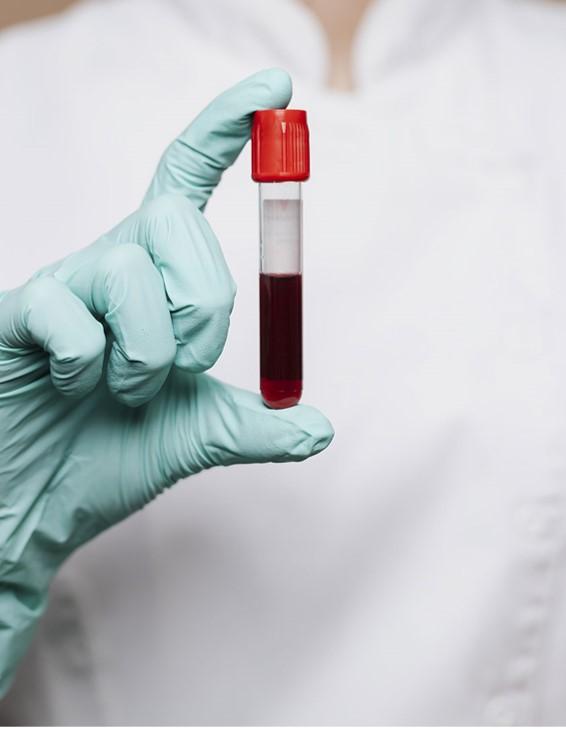
Sexual health awareness has expanded significantly in recent years, and with it, conversations around lesser-known infections are becoming more common. One such topic is the Ureaplasma Test in Dubai, a diagnostic tool used to detect Ureaplasma infections that may affect both men and women. Although not always included in routine STD screening, this test plays an important role in identifying hidden genital infections, unexplained urinary symptoms, and certain fertility-related concerns.
Understanding when and why to get tested can protect your reproductive health, prevent complications, and ensure early treatment if necessary. This comprehensive guide explains what a Ureaplasma test is, who needs it, how it works, and what your results really mean.
What Is Ureaplasma?
Ureaplasma is a type of bacteria commonly found in the urogenital tract. It belongs to the same bacterial family as Mycoplasma and is considered part of the natural genital flora in some individuals. However, under certain conditions, it can multiply excessively and lead to infection.
Unlike many bacteria, Ureaplasma lacks a cell wall, which makes it unique in terms of diagnosis and antibiotic treatment. While some people carry it without symptoms, others may develop issues such as:
-
Painful urination
-
Pelvic discomfort
-
Abnormal vaginal discharge
-
Urethral irritation
-
Pain during intercourse
-
Recurrent urinary tract infections
Because symptoms can overlap with other sexually transmitted infections (STIs), accurate laboratory testing becomes essential.
What Is a Ureaplasma Test?
A Ureaplasma test is a laboratory diagnostic procedure that detects the presence of Ureaplasma bacteria in the body. It helps confirm whether symptoms are linked to an active infection rather than another sexually transmitted disease or urinary condition.
The test typically involves analyzing a urine sample or a genital swab. In some cases, cervical, vaginal, or urethral samples are collected for more accurate detection. Advanced testing methods like polymerase chain reaction (PCR testing) are often used because they can identify bacterial DNA with high sensitivity.
This test is different from a general STI panel, as Ureaplasma is not always included in standard screening unless specifically requested.
Who Should Consider Getting a Ureaplasma Test?
Not everyone requires routine testing. However, healthcare providers may recommend a Ureaplasma test in the following situations:
1. Persistent Genital or Urinary Symptoms:
If you experience chronic urethritis, pelvic inflammatory symptoms, or unexplained urinary discomfort that does not respond to typical treatment, testing may be advised.
2. Recurrent Infections:
Frequent urinary tract infections or recurring vaginal infections can sometimes be linked to Ureaplasma overgrowth.
3. Fertility Concerns:
Some research suggests a possible connection between Ureaplasma infection and infertility in both men and women. Men with unexplained low sperm motility or women experiencing recurrent pregnancy complications may be evaluated.
4. Pregnancy Complications:
In certain cases, Ureaplasma has been associated with preterm labor and other pregnancy-related risks. Doctors may recommend testing when there is a clinical concern.
5. Partner Exposure:
If a sexual partner tests positive for Ureaplasma, screening both partners can prevent reinfection.
How the Ureaplasma Test Is Performed?
The procedure depends on your symptoms and biological sex.
Urine Sample Testing:
For men, a first-catch urine sample is commonly used to detect bacterial DNA. This method is non-invasive and widely used for diagnosing urethral infections.
Vaginal or Cervical Swab:
For women, a vaginal swab or cervical swab may be collected during a pelvic exam. This allows the lab to identify bacteria present in the genital tract.
Urethral Swab:
In some cases, especially when urethritis is suspected, a urethral swab may be necessary.
The collected sample is then analyzed using PCR diagnostics or bacterial culture methods. PCR testing offers faster and more accurate results compared to traditional cultures.
How to Prepare for a Ureaplasma Test?
Proper preparation can improve diagnostic accuracy. Your healthcare provider may recommend:
-
Avoiding antibiotics for at least two weeks before testing
-
Refraining from sexual activity 24–48 hours before the test
-
Not urinating at least one hour before providing a urine sample
-
Avoiding vaginal douches or medicated creams before a swab test
Always follow specific medical advice to prevent false-negative results.
Understanding Your Ureaplasma Test Results:
Positive Result:
A positive test indicates the presence of Ureaplasma bacteria. However, this does not always mean active infection. Some individuals carry the bacteria without symptoms.
If symptoms are present, your doctor may prescribe targeted antibiotic therapy. Because Ureaplasma lacks a cell wall, antibiotics like penicillin are ineffective. Instead, macrolides or tetracyclines are often used.
Negative Result:
A negative result means the bacteria were not detected in your sample. If symptoms persist, further testing may be required to rule out other conditions such as chlamydia, gonorrhea, or Mycoplasma infections.
False Positives and False Negatives:
Although PCR testing is highly sensitive, no diagnostic tool is perfect. Improper sample collection or recent antibiotic use may affect results.
Is Ureaplasma Considered an STI?
Ureaplasma can be transmitted through sexual contact, but it is not always classified strictly as a sexually transmitted infection. Since it can exist naturally in some individuals without causing disease, medical professionals evaluate both laboratory findings and clinical symptoms before diagnosing an infection.
This distinction is important because treatment decisions depend on whether the bacteria are causing inflammation or complications.
Potential Complications of Untreated Ureaplasma Infection:
If left untreated in symptomatic individuals, Ureaplasma overgrowth may contribute to:
-
Chronic urethritis
-
Pelvic inflammatory disease
-
Prostatitis
-
Infertility issues
-
Pregnancy complications
Early detection through a Ureaplasma test allows for timely intervention and reduces long-term risks.
Ureaplasma Test and Fertility: What You Should Know
Emerging research has explored the link between Ureaplasma infection and reproductive health. In men, infection may affect sperm quality, motility, and morphology. In women, chronic infection may lead to inflammation of reproductive organs.
Although not all fertility specialists routinely test for Ureaplasma, it may be recommended in cases of unexplained infertility or repeated assisted reproductive failures.
Discussing your reproductive history with a healthcare provider can help determine whether testing is appropriate.
When Should You Retest?
Retesting is sometimes recommended:
-
After completing antibiotic treatment
-
If symptoms persist
-
If a partner remains untreated
-
During ongoing fertility evaluation
Follow-up testing ensures the infection has cleared and reduces the risk of reinfection.
Frequently Asked Questions About the Ureaplasma Test:
Is the test painful?
Urine testing is painless. Swab collection may cause mild temporary discomfort but is generally quick and well tolerated.
How long do results take?
Results typically return within a few days, depending on laboratory processing times and testing methods.
Can Ureaplasma go away on its own?
In some individuals, the immune system may control bacterial levels naturally. However, symptomatic infections usually require medical treatment.
Is it included in routine STD screening?
Most standard STD panels do not automatically include Ureaplasma testing unless specifically requested or clinically indicated.
Key Takeaways Before Getting Screened:
The Ureaplasma Test is a valuable diagnostic tool for identifying hidden urogenital infections, especially when symptoms are persistent or unexplained. While not everyone requires routine screening, individuals with chronic urinary symptoms, fertility challenges, or recurrent infections may benefit from evaluation.
Understanding the difference between bacterial colonization and active infection is essential. A positive test does not automatically mean severe disease, but clinical symptoms and medical guidance determine the next steps.
If you are experiencing discomfort, unexplained reproductive health issues, or ongoing genital symptoms, consulting a qualified healthcare professional can help determine whether a Ureaplasma test is right for you.
Early diagnosis, accurate laboratory testing, and appropriate treatment can protect both your immediate comfort and long-term reproductive health.
Κατηγορίες
Διαβάζω περισσότερα
The process of selecting a Bozeman personal injury lawyer becomes essential for your recovery because their services will support both your physical rehabilitation and your financial recovery from your injuries. The complexity of personal injury cases requires professional assistance because they involve multiple legal procedures and insurance discussions and extensive documentation work. A...

According to the latest report published by Data Bridge Market Research, the Recliner Sofas Market The recliner sofas market is expected to be growing at a growth rate of 6.85% in the forecast period of 2022 to 2029 and is likely to reach USD 13.39 billion in 2029. This Recliner Sofas Market research report has been formed with a nice blend of industry insight, smart and...

A new growth forecast report titled Molecular Imaging Market Size, Share, Trends, Industry Analysis Report: By Modality, By Application, By End Use (Hospitals, Diagnostics Imaging Centers, and Research Institutes), and Region– Forecast, 2025–2034 introduced by Polaris Market Research represents conclusive data on the overall market. It majorly targets to provide a detailed...
MarkNtel Advisors, a leading market research and consulting firm, has announced the release of its latest study titled Wine Market Research Report: Forecast (2024–2030). This report provides a detailed assessment of the Wine Market, covering its evolving dynamics, emerging trends, key growth drivers, major challenges, and competitive landscape. Designed to guide investors,...

The rapid growth of digital technology has changed the way people work, study, and communicate, creating increasing demand for eyewear designed for screen-based lifestyles. In this expanding market, China Blue Light Glasses have become an important category for consumers seeking a combination of visual comfort, modern style, and practical design. Manufacturers continue developing innovative...
