


A Complete Guide to Understanding RIDDOR and Its Role in Incident Reporting
A Complete Guide to Understanding RIDDOR and Its Role in Incident Reporting
No matter how carefully an organisation manages its safety practices, it is impossible to remove every potential risk. Incidents such as accidents, occupational health problems, or dangerous situations can still occur without warning. When these events are serious, UK regulations require them to be formally reported. This obligation is governed by RIDDOR reporting, a structured system created to document and review significant workplace incidents. By ensuring that serious injuries, job-related illnesses, and critical near-miss events are reported, this framework allows both businesses and authorities to understand what went wrong and introduce measures to avoid similar situations in the future.
Understanding the Purpose of RIDDOR
RIDDOR refers to the Reporting of Injuries, Diseases and Dangerous Occurrences Regulations. These regulations set out clear rules about which incidents must be reported and identify the authority responsible for receiving the information. In most cases, reports are submitted to the Health and Safety Executive, although certain workplaces fall under the supervision of local authorities.
This duty is not assigned to every individual in the organisation. Instead, it applies to those who have direct control over workplace activities or environments. Employers, managers, supervisors, and self-employed individuals are usually responsible, as they oversee operations and safety conditions.
Beyond meeting legal obligations, RIDDOR contributes significantly to improving workplace safety standards. The data collected from reported incidents helps authorities recognise patterns and identify recurring hazards. This insight enables industries to strengthen their safety practices over time. Sectors with higher risk levels, including construction, manufacturing, facilities management, and oil and gas, particularly benefit from this system because it supports long-term risk reduction and safer working conditions.
Why Proper Reporting Is Important
Meeting RIDDOR requirements does more than ensure compliance with the law. It provides organisations with meaningful information about their safety performance. When incidents are documented consistently, businesses gain a clearer understanding of underlying causes and emerging risk trends. This awareness allows them to take corrective action early and prevent more serious problems from developing.
Accurate reporting also helps organisations avoid legal and financial consequences. Failing to report required incidents can result in penalties, enforcement action, and harm to the organisation’s reputation. In contrast, fulfilling these responsibilities demonstrates transparency and a genuine commitment to employee safety.
Regular reporting also strengthens the organisation’s overall safety mindset. Each recorded event creates an opportunity to reassess existing procedures, update safety measures, and improve training programmes. Over time, this proactive approach shifts the focus from reacting to incidents toward preventing them entirely.
Incidents That Must Be Reported
RIDDOR applies only to specific types of serious incidents rather than every workplace accident.
Any work-related fatality must be reported, whether the death occurs immediately or later, provided it is connected to workplace activities.
Certain severe injuries also fall under reporting requirements. These include incidents involving amputations, major fractures other than fingers or toes, significant burns, permanent loss of vision, or injuries caused by crushing forces.
Another situation requiring reporting is when an employee cannot perform their usual duties for more than seven consecutive days because of a workplace injury. The day of the incident itself is not counted within this period.
Occupational illnesses must also be reported when medical evidence confirms that the condition was caused or made worse by workplace exposure. Common examples include breathing-related conditions and skin disorders linked to work environments.
Dangerous occurrences are another important category. These are serious near-miss events that had the potential to cause major harm. Equipment failures, structural collapses, or explosions are examples, even if no injury actually occurred.
Reporting is also required when a member of the public is injured due to work activities and is taken directly to hospital for treatment.
Who Is Responsible for Reporting
The responsibility for submitting reports lies with the person or organisation managing the workplace. In most situations, this is the employer or a designated manager. Self-employed individuals are also accountable for reporting incidents within their own work areas.
Although employees, contractors, and visitors are not responsible for filing official reports, they must inform the appropriate authority within the organisation when an incident occurs. This ensures that the reporting process can be completed accurately and without delay.
Reporting Timeframes and Submission
Submitting reports within the required timeframe is essential. Fatal incidents, major injuries, occupational diseases, and dangerous occurrences must usually be reported within ten days. When an injury results in more than seven days of absence from work, the organisation has up to fifteen days to submit the report.
Most reports are completed through the official online system. Providing clear and accurate information, including the details of what happened, where it occurred, and who was involved, helps regulators and organisations analyse the incident effectively and improve safety measures.
RIDDOR reporting goes far beyond basic paperwork. It promotes responsibility, openness, and ongoing safety improvements. By understanding and following these requirements, organisations not only meet their legal duties but also play an important role in creating safer and more secure workplaces for everyone.
Book a Free Demo @ https://toolkitx.com/blogsdetails.aspx?title=RIDDOR-Reporting:-What-Must-Be-Reported-and-How
Κατηγορίες
Διαβάζω περισσότερα
An injury caused by another person’s negligence can disrupt your life in an instant. From mounting medical bills to the stress of lost wages, the aftermath of a collision or fall is overwhelming. If you are navigating this difficult time, consulting a personal injury attorney in Phoenix is the most critical step you can take to protect your future. In the bustling Valley of the Sun,...

The Chemical software refers to specialized digital solutions designed to support chemical manufacturing, research, formulation, compliance management, laboratory operations, and supply chain optimization across the chemical industry. According to The insight Partners, The Chemical Software Market is expected to register a CAGR of 4.60% from 2026 to 2034, with the market size...

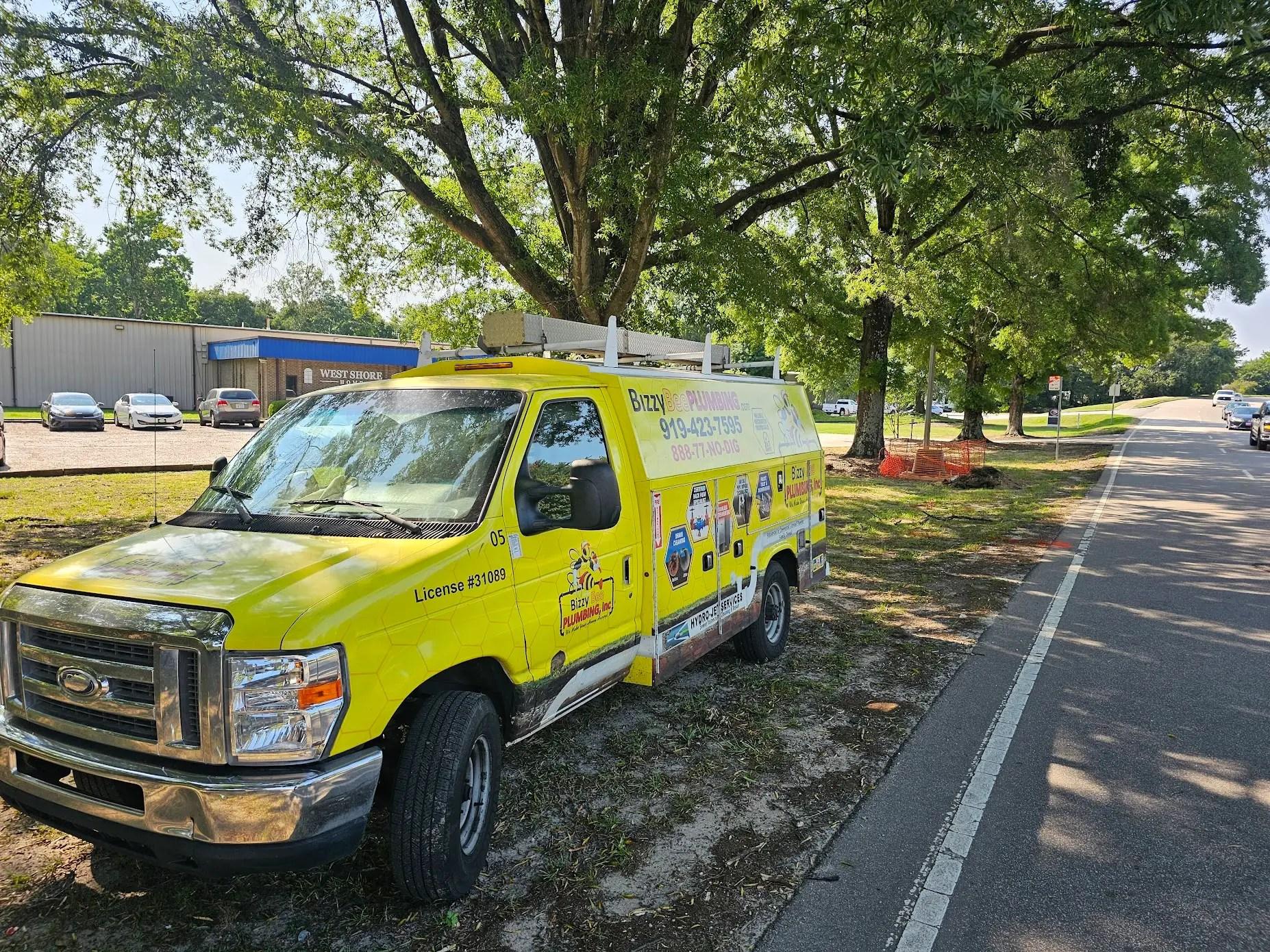
When it comes to keeping your home safe, functional, and comfortable, having access to a skilled plumber Fuquay varina is essential. We specialize in delivering top-tier plumbing solutions for homeowners throughout the region. Whether you need routine maintenance, emergency repairs, or water heater services, our team of certified professionals ensures your plumbing systems work...
According to the latest report published by Data Bridge Market Research, the Contact Lenses Market CAGR Value The global contact lenses market size was valued at USD 14.18 billion in 2024 and is expected to reach USD 22.10 billion by 2032, at a CAGR of 5.70% during the forecast period Contact Lenses Market report is a great option to...
The slider zipper pouch market is segmented based on material, application, and end-use industry, reflecting its broad applicability and evolving nature. The material segment includes polyethylene (PE), polypropylene (PP), polyester (PET), and multilayer films, with PE dominating the market due to its cost-effectiveness and durability. However, PET-based pouches are gaining traction...