CE Certification: Ensuring Product Compliance and Market Access
Introduction
In today’s global marketplace, product safety and regulatory compliance are critical for manufacturers and exporters. CE certification is a mandatory conformity mark for products sold within the European Economic Area (EEA), indicating compliance with EU safety, health, and environmental requirements. Achieving CE certification not only ensures legal market access but also enhances consumer trust and brand reputation.
CE marking applies to a wide range of products, including electronics, medical devices, machinery, toys, and construction materials. By obtaining CE certification, manufacturers demonstrate their commitment to product quality, safety, and compliance with EU directives.
1. What is CE Certification?
CE certification is a process that confirms a product meets European Union (EU) directives and regulations. The CE mark signifies that the product complies with essential safety, health, and environmental standards.
The process of obtaining CE certification involves identifying applicable EU directives, performing conformity assessments, testing products, preparing technical documentation, and declaring conformity. Once certified, products can be legally sold across the EU and EEA countries without additional approvals.
CE certification ensures both manufacturers and consumers that products are safe, reliable, and legally compliant with European regulations.
2. Importance of CE Certification
Obtaining CE certification is crucial for manufacturers and exporters targeting the European market. Without CE marking, products cannot legally enter or be sold in the EEA.
CE certification provides several advantages, including:
-
Legal market access to EU and EEA countries
-
Increased consumer confidence and brand credibility
-
Reduced risk of penalties and product recalls
-
Compliance with international safety and environmental standards
By achieving CE certification, companies ensure their products meet stringent safety requirements while enhancing their global competitiveness.
3. CE Certification Process
The process of obtaining CE certification involves multiple steps:
-
Identifying the applicable EU directives and standards
-
Performing risk assessment and product testing
-
Preparing technical documentation for compliance verification
-
Selecting a Notified Body for assessment (if required)
-
Issuing a Declaration of Conformity and affixing the CE mark
This process ensures that products are evaluated for safety, performance, and reliability. Following these steps is essential for maintaining CE compliance and avoiding legal issues in European markets.
4. Benefits of CE Certification
CE certification provides significant benefits for manufacturers and businesses:
-
Ensures legal access to the European market
-
Demonstrates commitment to product safety and quality
-
Enhances brand reputation and consumer trust
-
Reduces the risk of non-compliance penalties
-
Facilitates international trade and export growth
With CE certification, companies not only meet regulatory requirements but also gain a competitive advantage by positioning their products as safe and compliant.
5. Industries That Require CE Certification
CE certification is applicable across various industries, including:
-
Electronics and electrical equipment
-
Machinery and industrial tools
-
Medical devices and healthcare products
-
Toys and children’s products
-
Construction materials and building products
Manufacturers in these sectors must obtain CE certification to comply with EU directives and ensure their products are legally marketable within Europe.
Conclusion
CE certification is a vital requirement for any manufacturer or exporter targeting the European market. By obtaining CE certification, companies demonstrate compliance with essential safety, health, and environmental standards, ensuring legal market access and consumer confidence.
Investing in CE certification not only strengthens product credibility but also enhances competitiveness in European and international markets. For businesses aiming for long-term growth and regulatory compliance, CE certification is an essential step toward success.
Κατηγορίες
Διαβάζω περισσότερα
The global alternative tobacco and smoking cessation market size was USD 26.30 Billion in 2022 and is expected to register a rapid revenue CAGR of 9.4% during the forecast period. Increasing prevalence of respiratory lung diseases, such as chronic bronchitis, rising investments and funding towards production of such devices, and rapid technological advancements are key factors driving market...

Paddle boarding is one of the fastest-growing outdoor activities because it combines fun, fitness, and relaxation in one experience. Niphean has become a favorite brand among outdoor enthusiasts by creating boards that are durable, stable, and easy to use. Their premium inflatable paddle board lineup is designed for beginners, families, and experienced paddlers who want dependable performance...

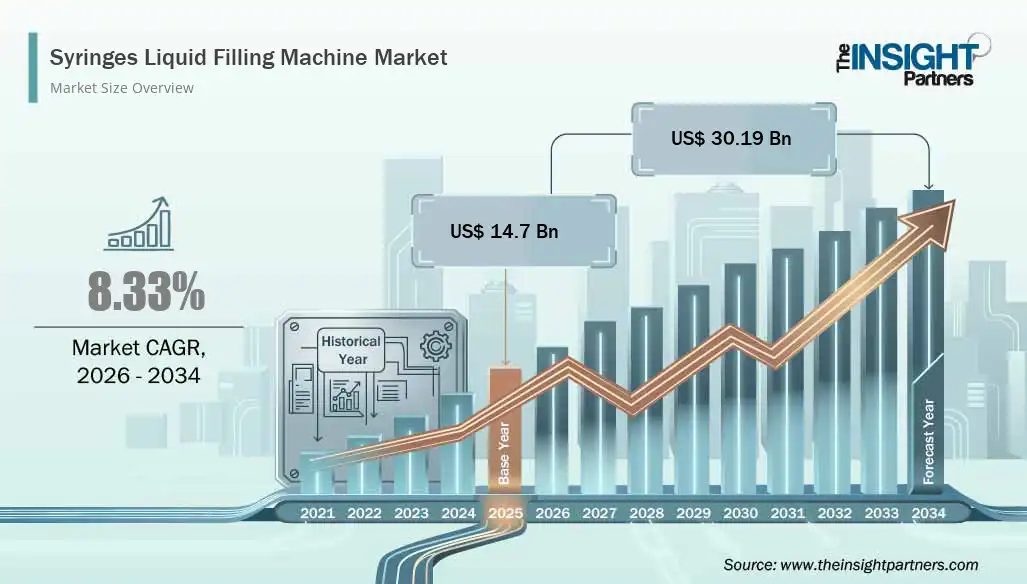
The global Syringes Liquid Filling Machine Market is witnessing significant expansion due to the rapid growth of the pharmaceutical, biotechnology, and injectable drug manufacturing industries. Increasing demand for precision drug delivery systems, rising production of prefilled syringes, and advancements in automated packaging technologies are among the key factors accelerating market growth...
Die W-Engine Drill Rig – Red Axis in Zenless Zone Zero ist eine speziell für Anton Ivanov entwickelte A-Rang-Angriffswaffe der Fraktion Belobog Heavy Industries. Sie ist auf Elektro-Schaden ausgelegt und verstärkt Basisangriffe sowie die Energieregeneration, um einen aggressiven, auf hohen DPS ausgelegten Spielstil zu fördern. Einzigartiger Effekt: Höllengenerator Der...

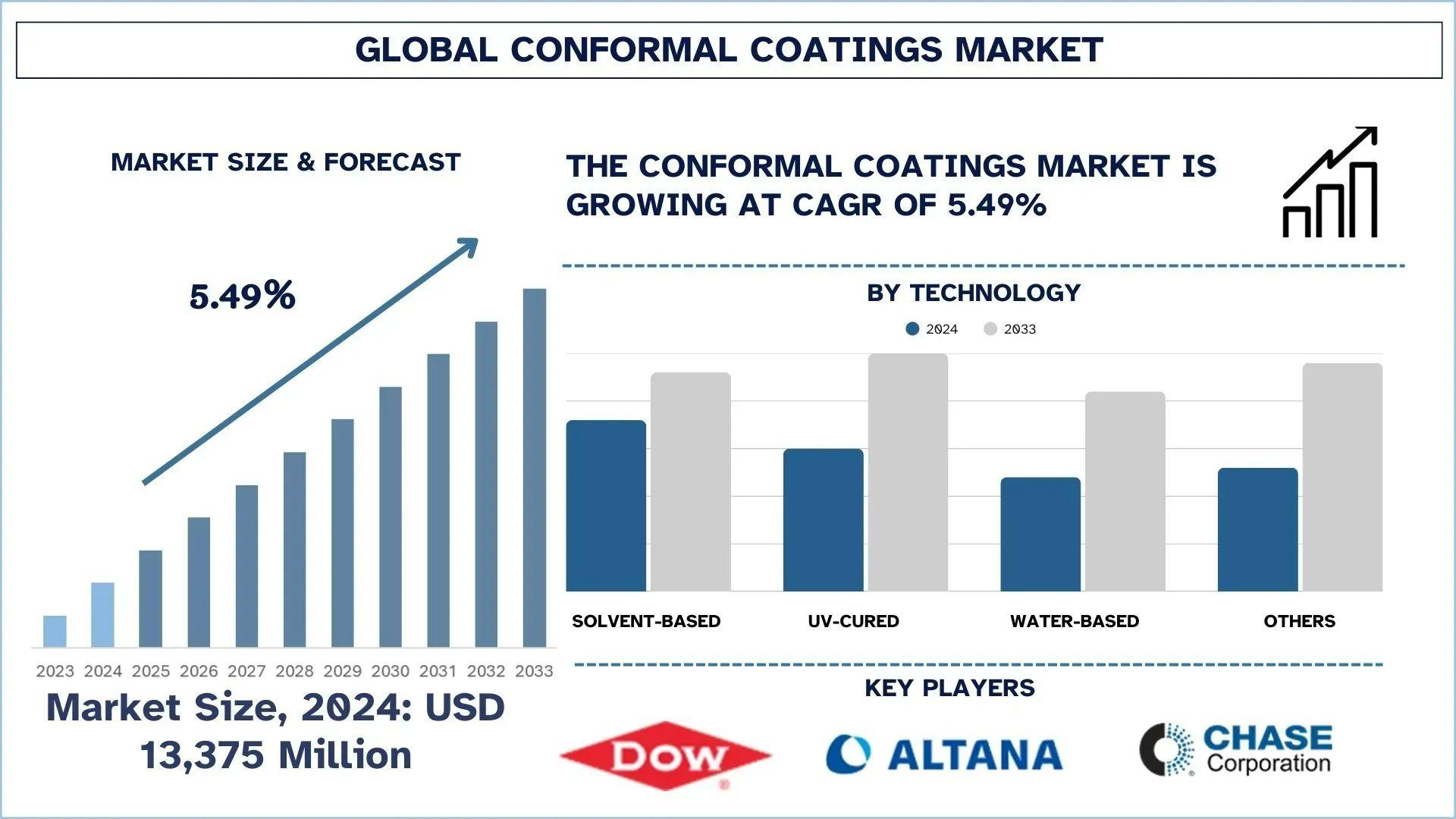
According to UnivDatos analysis, rising adoption of advanced PCBs, miniaturization trends, and stricter environmental and performance standards are increasing the need for durable protective coating solutions, leading to the further growth of the conformal coatings market. As per their “Conformal Coatings Market” report, the global market was valued at USD 13,375 million in 2024,...