How Much Is Your Antique Mantel Clock Worth? Expert Insights from Canonbury Antiques
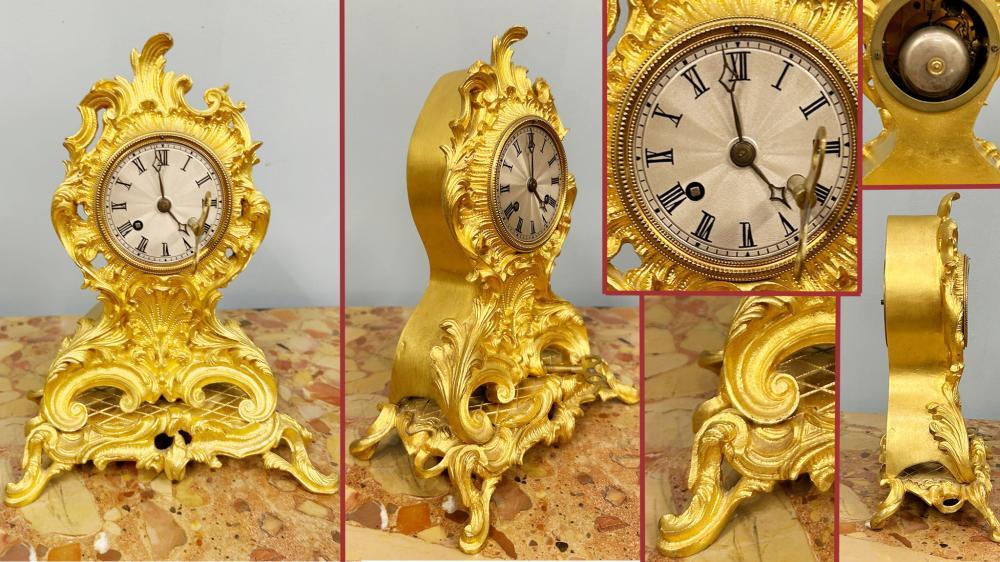
Understanding the Value of an Antique Mantel Clock
Antique timepieces have long been admired for their craftsmanship, beauty, and historical charm. From Georgian townhouses to Victorian parlours and Edwardian drawing rooms, the mantel clock held pride of place on the chimney breast both a functional instrument and a decorative statement. But when it comes to selling, collecting, or insuring one, many owners find themselves asking the same important question: how much is it really worth?
At Canonbury Antiques, we regularly assist clients across London, the wider UK, the United States, and internationally with the valuation and acquisition of fine antique clocks. Understanding what determines value can help you make informed decisions about your piece.
Key Factors That Influence Value
1. Age and Period
The period of your clock significantly impacts its worth. Georgian examples from the late 18th century often command strong interest due to their early craftsmanship and restrained elegance. Victorian mantel clocks, especially those with elaborate cases or striking mechanisms, also remain highly collectible. Edwardian pieces, known for refined detailing and quality construction, continue to perform steadily in the antiques market.
At Canonbury Antiques, we evaluate each clock in the context of its historical era, identifying features that enhance desirability.
2. Maker and Origin
A clock bearing the name of a respected maker can dramatically increase value. French and English manufacturers in particular produced exceptional mantel clocks throughout the 19th century. Signed dials, engraved movements, or original retailer plaques often add to authenticity and appeal.
Canonbury Antiques carefully examines signatures, movement stamps, and case construction to determine provenance and market positioning.
3. Condition and Originality
Condition plays a central role in pricing. A fully functioning movement, original dial, intact case, and undamaged glass all contribute to higher valuations. Restoration can enhance value if carried out professionally, but excessive alteration may reduce historical integrity.
If you own a Mantel Clock and are unsure of its state, our specialists can advise whether servicing or conservation would be beneficial before sale.
4. Materials and Craftsmanship
Materials such as ormolu, marble, mahogany, rosewood, or bronze significantly influence price. Intricate carving, gilded mounts, enamel dials, and fine inlay work often indicate higher-quality manufacture. Decorative appeal matters just as much as mechanical performance, especially for interior designers and collectors seeking statement pieces.
At Canonbury Antiques, we focus on clocks that balance aesthetic presence with reliable function ensuring they appeal to both collectors and decorators.
Current Market Trends
The value of antique mantel clocks varies based on demand, rarity, and condition. Well-preserved Victorian and French examples typically achieve solid mid-range prices, while rare Georgian or signed pieces may command higher figures. Simpler Edwardian clocks remain accessible yet desirable for those starting a collection.
Canonbury Antiques serves a broad client base across London, the UK, the United States, and worldwide, giving us valuable insight into global buying trends. International interest in decorative antiques has helped sustain demand for well-chosen mantel clocks.
Why Professional Valuation Matters
Whether you are considering selling, insuring, or simply understanding your clock’s worth, expert evaluation is essential. Online estimates can be misleading without proper inspection of movement, materials, and authenticity.
At Canonbury Antiques, we combine decades of experience with a deep appreciation for historical craftsmanship. Our team provides honest guidance and market-based assessments tailored to your specific piece.
Κατηγορίες
Διαβάζω περισσότερα
Why Every UK Business Needs Free Local Business Listing UK Today In the current digital climate, standing out as a local service provider requires more than just a website; it requires a presence where your customers are actually looking. As we navigate the complexities of the British economy in 2025, the ability to be discovered by a neighbour in Manchester or a contractor in Birmingham...

A new growth forecast report titled Cytotoxic Drugs Market Share, Size, Trends, Industry Analysis Report, By Drug Type; By Route of Administration; By Application (Lung Cancer, Breast Cancer, Pancreatic Cancer, Prostate Cancer, Others); By Distribution Channel; By Region; Segment Forecast, 2024- 2032 introduced by Polaris Market Research represents conclusive data on the overall market. It...

In the digital-first era, video content has become the backbone of modern marketing. From corporate storytelling to high-impact advertisements, brands are investing heavily in visual communication. Partnering with the best video production company Dubai can help businesses stand out in a competitive market and connect with their audience in a powerful way. Dubai has rapidly emerged as a...

The global Propylene Glycol Market is experiencing highly consistent industrial and commercial growth, fundamentally driven by its extensive utility as a chemical intermediate, humectant, solvent, and stabilizer across diverse industry verticals. Propylene glycol ($C_3H_8O_2$), also known as monopropylene glycol (MPG), is a colorless, nearly odorless liquid characterized by its low toxicity,...

If you’re looking for reliable tree removal in Barrie, you’ve come to the right place. Keeping your property safe, attractive, and well-maintained often requires the help of trained tree care experts—especially when dealing with damaged, diseased, or hazardous trees. At West Tree Service, we provide professional, affordable, and safe tree removal services designed to protect...