The Digital Nervous System of Modern Utilities: Bridging the Gap with Advanced Metering Infrastructure
The global energy and utility landscape is currently navigating a period of profound structural change, moving away from the static, one-way systems of the twentieth century toward a dynamic, data-driven future. At the heart of this transformation is a sophisticated technological framework that serves as the digital backbone for the modern grid. Advanced metering infrastructure has emerged as the essential foundation for this new era, creating a seamless, bidirectional link between the utility provider and the end consumer. By replacing traditional manual reading processes with an integrated system of smart meters, communication networks, and data management platforms, this infrastructure allows for a level of operational transparency, safety, and efficiency that was once considered impossible.
The Evolution of Connectivity and Data Flow
For decades, the relationship between utilities and consumers was defined by a monthly retrospective view of consumption. Meter readers would physically visit properties, and bills were generated based on historical data or estimates. Today, the introduction of intelligent infrastructure has completely redefined this interaction. Modern systems utilize a combination of radio-frequency mesh networks, cellular technology, and power-line communication to transmit data at regular, granular intervals. This transition from manual to automated data flow means that utilities no longer have to wait for a physical inspection to understand how their network is performing. Instead, they have access to a real-time stream of information that allows them to manage supply and demand with surgical precision.
Enhancing Grid Resilience and Safety
One of the most critical advantages of this digital integration is the dramatic improvement in network safety and resilience. In 2026, the sensors embedded within the metering hardware act as a distributed diagnostic network. These devices can detect localized outages, voltage fluctuations, or pressure anomalies in real-time, often alerting the utility to a problem before the customer even realizes there is an issue. In the gas and water sectors, this technology is a vital tool for leak detection. By identifying unusual flow patterns that suggest a burst pipe or a slow leak, the infrastructure allows for rapid intervention, preventing waste and mitigating the risk of property damage or catastrophic failure. The ability to remotely disconnect or reconnect services further enhances safety, allowing for immediate isolation of a property during an emergency.
Empowering the Prosumer in a Decentralized World
The modern consumer is no longer just a passive recipient of energy; they are increasingly becoming "prosumers" who generate their own power through solar panels and manage their own storage with home batteries. This decentralized model would be chaotic without a robust communication framework. Advanced infrastructure provides the necessary coordination, allowing for the integration of renewable energy sources and the support of electric vehicle charging. Through in-home displays and smartphone applications, consumers have access to a wealth of data regarding their usage habits. This transparency empowers individuals to make informed decisions about their consumption, shifting their energy-intensive activities to periods of lower demand and lower cost, which ultimately leads to a more balanced and sustainable national grid.
Operational Efficiency and the End of Estimation
From the perspective of the utility operator, the move toward digital infrastructure is an exercise in extreme efficiency. The elimination of manual meter reading removes one of the most significant operational expenditures and logistical hurdles in the industry. Furthermore, the accuracy provided by these systems brings an end to the era of estimated billing, which has long been a source of frustration for consumers and a cause of administrative complexity for providers. In 2026, the data generated by these millions of smart nodes is fed into advanced analytics engines that use artificial intelligence to predict maintenance needs. This move toward predictive maintenance ensures that the physical assets of the grid are repaired or replaced before they fail, extending the lifespan of the infrastructure and reducing the frequency of service disruptions.
Supporting the Smart City Vision
The integration of utility metering is a fundamental component of the broader Smart City movement. By sharing communication networks across different services—such as gas, water, and electricity—cities can create a unified view of resource management. This holistic approach allows for more efficient urban planning and a faster response to environmental challenges. For example, during a drought or a heatwave, a city can use the data from its distributed sensors to manage resources more effectively, ensuring that critical services remain operational while encouraging conservation in less vital areas. This level of coordination is essential for the sustainable growth of urban environments as populations continue to rise and resources become more precious.
Overcoming the Challenges of Digital Integration
Despite the clear benefits, the transition to a fully digital infrastructure is not without its challenges. The primary hurdle remains the significant upfront capital investment required to replace millions of legacy devices and build the supporting communication towers and data centers. Additionally, as the grid becomes more connected, it becomes a potential target for cyber threats. In response, the industry has prioritized the development of end-to-end encryption and advanced authentication protocols to ensure that consumer data remains private and that the physical controls of the grid are protected from unauthorized access. These security measures are the unsung heroes of the modern grid, providing the silent protection that allows the digital economy to thrive.
The Horizon of Intelligent Utility Management
Looking toward the future, the continued evolution of this technology will lead to an even more personalized and responsive utility experience. We are seeing the early stages of systems that can automatically adjust household appliances based on real-time grid conditions, helping to stabilize the network without any manual effort from the homeowner. As the world moves toward a zero-carbon future, the intelligence embedded in our utility networks will be the primary tool that allows us to manage the complexity of a renewable-heavy world. By turning the humble meter into a sophisticated data asset, we are building a world that is not only more efficient but also more resilient, safe, and sustainable for everyone.
Frequently Asked Questions
How does this infrastructure differ from simple automated meter reading? Simple automated reading is a one-way street where the meter sends data to the utility for billing purposes. Advanced infrastructure is a two-way street. It not only collects data for billing but also allows the utility to send commands back to the meter—such as firmware updates or remote shut-off signals. It also provides a much more frequent and granular stream of data, which is essential for managing a modern, flexible grid.
Will my personal usage data be secure on these networks? Yes, security is a top priority for the industry. Modern utility networks use the same level of encryption as global banking systems. The data sent from your meter is scrambled so that it cannot be read by anyone except the utility provider. Furthermore, these systems are designed with strict privacy protocols to ensure that your data is only used for billing and grid management purposes, protecting your daily routines from unauthorized observation.
Does the installation of this infrastructure increase my utility bills? While there is an initial cost to build and install the technology, the long-term goal is to lower costs for everyone. By removing the need for manual readings and reducing the costs of leaks, outages, and estimated billing errors, the utility becomes much more efficient. For most consumers, the real savings come from having the data needed to identify waste and adjust their own habits, which often leads to a noticeable reduction in their monthly energy or water expenses.
More Trending Reports on Energy & Power by Market Research Future
Steam Condenser For Thermal Power Plant Market Outlook
Three Phase Distribution Transformer Market Outlook
Three Phase Inverter Market Outlook
Catégories
Lire la suite
Aging can bring changes in sexual performance, energy levels, and confidence. Many men notice a decline in vitality, which can affect both personal well-being and intimate relationships. The P-Shot latest (Priapus Shot) is a non-surgical, regenerative treatment designed to help men feel younger, more energized, and more confident in the bedroom and beyond. What Is the P-Shot? The P-Shot uses...
Free Fire is boldly stepping into new territory with its latest campaign, Project Scorpion: The Fist of Vengeance, introducing the game's first-ever antagonist, Orion. From May 12 to May 28, players can immerse themselves in the chaos and excitement surrounding Orion’s quest for vengeance through various in-game activities. During this period, a special themed interface will be...

A new growth forecast report titled Building Information Modeling (BIM) Market Size, Share, Trends, & Industry Analysis Report : By Solution (Software and Services), By Deployment Type, By Building Type, By Project, By Application, By End User, By Region – Market Forecast, 2026–2034 introduced by Polaris Market Research represents conclusive data on the overall market....

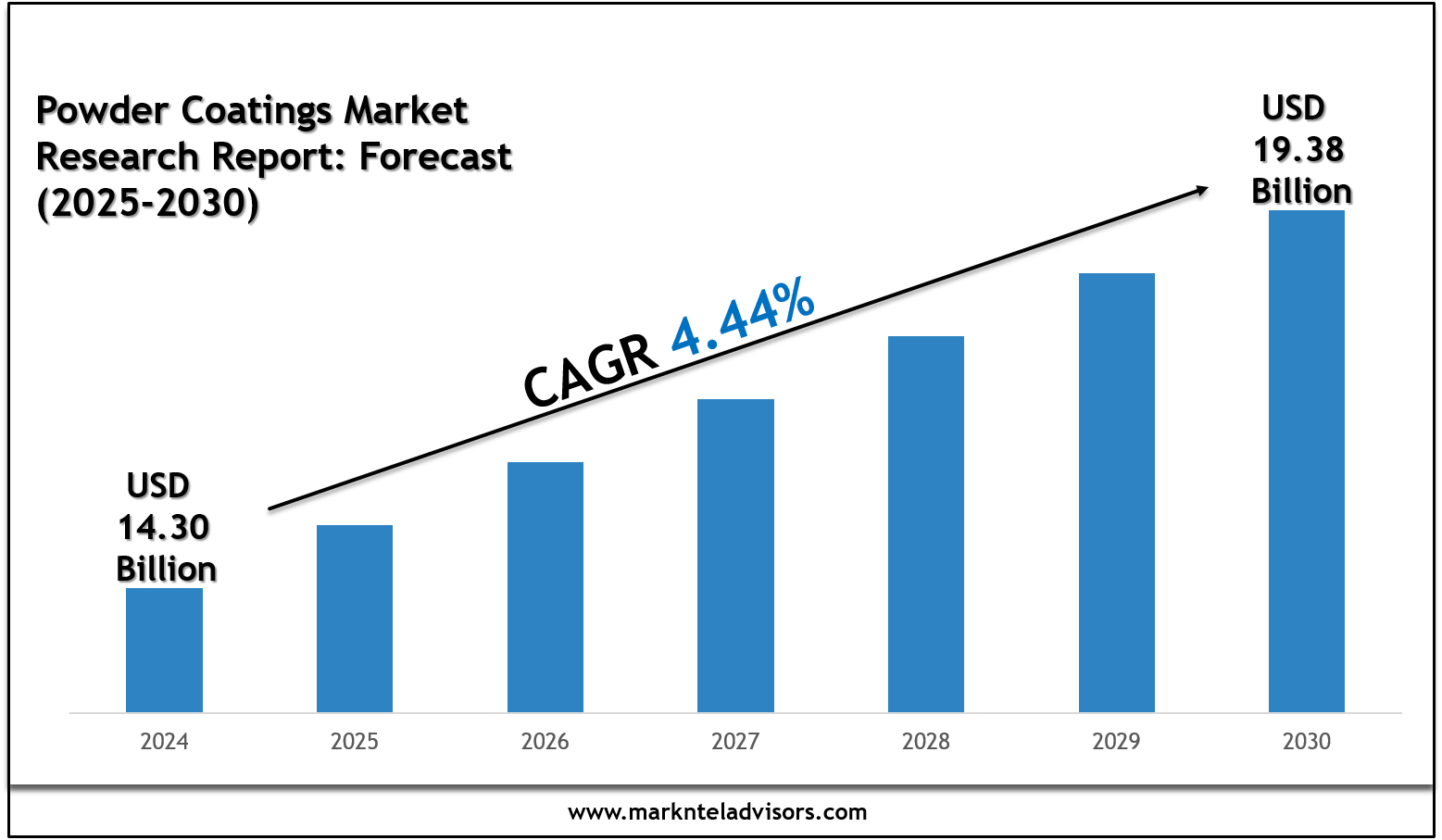
Powder Coatings Market Overview- The Powder Coatings market is witnessing steady expansion, driven by technological advancements, changing consumer demands, and global economic shifts. Market research plays a vital role in helping businesses navigate this growth by offering data-driven insights and forecasts. This report presents a comprehensive analysis of the market’s size,...
Benefits of Using Certification Exam Preparation Material Certification exams help people grow in their careers. They help you get better jobs. They also help you earn more money. Many students want to pass the Integrated-Physical-Sciences exam on the first attempt. This exam is offered by WGU. However, exam preparation can feel difficult. There are many books to read and many topics to cover....