


Drill Chuck: Types, Uses & How to Choose the Right One
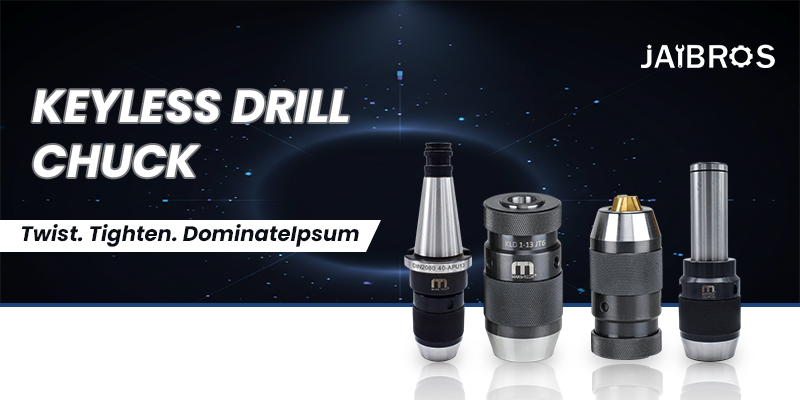
Explore types of drill chucks, their uses, and expert tips to choose the right one. Compare keyless and key type drill chucks for better drilling performance.
Drill Chucks Guide: Types, Uses & Buying Tips
When it comes to accurate and efficient drilling, one small yet powerful component plays a major role — the drill chuck. Whether you are working in a home workshop, a professional machining unit, or a large-scale manufacturing facility, selecting the correct chuck ensures precision, safety, and long tool life.
In this comprehensive guide, we will explore the types of drill chucks, their uses, and how to choose the right one for your specific requirements.
What Are Drill Chucks?
Drill chucks are mechanical clamping devices mounted on drilling machines or power tools to hold drill bits securely in place. They ensure proper alignment and firm gripping of the tool during operation, preventing slippage and vibration.
A high-quality chuck improves drilling accuracy, reduces tool wear, and enhances overall performance. From woodworking to metal fabrication and CNC machining, drill chucks are widely used across multiple industries.
How Drill Chucks Work
The mechanism behind drill chucks is simple yet highly effective. Inside the chuck body, three hardened steel jaws move simultaneously when the outer sleeve or key is rotated. These jaws tighten or loosen around the drill bit shank.
When tightened properly, drill chucks provide concentric gripping, which means the drill bit rotates evenly without wobbling. This ensures smooth holes, better surface finish, and reduced damage to both material and tool.
Types of Drill Chucks
Understanding the types of drill chucks helps in selecting the right one for your application. The two most common categories are keyless and key type models.
Keyless Drill Chucks
Keyless drill chucks are designed for convenience and speed. They allow users to tighten or loosen the jaws manually without using a separate key.
Advantages:
-
Quick bit changes
-
Easy one-hand operation
-
Ideal for light to medium-duty work
-
Common in cordless drills and portable machines
These are perfect for carpenters, electricians, and DIY users who frequently change drill bits. However, for heavy-duty industrial work, they may not provide the same gripping strength as keyed versions.
Key Type Drill Chucks
Key-type drill chucks require a special chuck key to tighten or loosen the jaws. The key engages with the gear teeth on the chuck body to provide a strong clamping force.
Advantages:
-
Stronger gripping power
-
Better suited for heavy-duty applications
-
Ideal for metal drilling and industrial machines
-
Reduced chances of bit slippage
If precision and power are your priorities, key type drill chucks are often considered among the best drill chucks for industrial environments.
Common Uses of Drill Chucks
Drill chucks are used in various tools and industries. Their applications include:
Woodworking
Used in handheld drills and drill presses to create clean, precise holes in wood for furniture and construction work.
Metalworking
Industrial workshops use heavy-duty chucks for drilling steel, aluminum, and other metals. Strong gripping is essential to prevent slipping during high torque operations.
CNC and Machining Centers
In precision machining setups, accurate clamping ensures consistent hole dimensions and surface finish.
Construction and Electrical Work
Portable drills equipped with keyless models are widely used for quick installations and site work.
How to Choose the Right Drill Chuck
Selecting the right chuck depends on several important factors.
Consider the Application
For light household tasks, keyless drill chucks are sufficient. For industrial metal drilling, key type drill chucks offer better durability and grip.
Check the Chuck Size
Chucks are available in various capacities, such as 10mm, 13mm, and 16mm. Choose according to the maximum shank size of the drill bits you plan to use.
Mounting Type
Different machines require different mounting systems such as threaded mount or taper mount. Always verify compatibility before purchasing.
Material and Build Quality
Look for hardened steel construction and precision engineering. High-quality materials reduce wear and improve lifespan.
Grip Strength and Runout Accuracy
Runout refers to the wobble of the drill bit during rotation. Lower runout means higher precision. For professional applications, invest in the best drill chucks that offer superior concentricity.
Maintenance Tips for Longer Life
Proper maintenance extends the life of drill chucks and improves performance.
-
Clean jaws regularly to remove dust and debris
-
Apply light machine oil to prevent rust
-
Avoid overtightening
-
Store in a dry environment
-
Check for jaw wear periodically
Routine inspection ensures safety and consistent drilling accuracy.
Signs You Need to Replace Your Drill Chuck
Even the best drill chucks eventually wear out. Here are signs that indicate replacement is necessary:
-
Drill bit slips during operation
-
Visible jaw damage
-
Excessive runout or wobbling
-
Rust or corrosion affecting grip
-
Difficulty tightening or loosening
Replacing worn components improves safety and work quality.
Why Quality Matters
Investing in premium drill chucks ensures:
-
Higher drilling accuracy
-
Improved safety
-
Reduced downtime
-
Better tool life
-
Professional finish
Cheap or low-quality chucks may save money initially but often lead to bit damage, poor results, and frequent replacements.
Frequently Asked Questions (FAQ)
What are drill chucks used for?
They are used to hold drill bits securely in drilling machines, ensuring stable and accurate rotation during drilling operations.
What is the difference between keyless and key type drill chucks?
Keyless drill chucks are tightened by hand for quick changes, while key type drill chucks use a chuck key for stronger clamping force.
Which type is better for metal drilling?
For heavy-duty metal drilling, key type drill chucks are generally preferred because they provide stronger grip and better stability.
How do I know the correct chuck size?
Check your drill machine specifications and the maximum shank diameter of your drill bits. Common sizes include 10mm and 13mm.
How can I maintain my drill chuck?
Regular cleaning, light lubrication, and avoiding overtightening help extend lifespan and maintain precision.
Conclusion
Choosing the right chuck directly affects drilling accuracy, safety, and productivity. By understanding the types of drill chucks, their applications, and key differences, you can make an informed decision based on your work requirements. Whether you need quick convenience with keyless models or maximum strength with keyed versions, investing in quality ensures better performance and long-term reliability.
About Jaibros
Jaibros is a trusted supplier of industrial tools and machining accessories, offering high-quality cutting tools, inserts, lubricants, and workshop solutions. With a strong focus on precision, durability, and customer satisfaction, Jaibros supports professionals and industries with reliable products designed to enhance performance and productivity.
Catégories
Lire la suite
In an era where digital transformation defines the medical landscape, HIPAA compliance remains the gold standard for protecting sensitive patient information. Whether you are a small clinic or a large-scale healthcare provider, understanding the intricacies of the Health Insurance Portability and Accountability Act is no longer just a legal obligation—it is a cornerstone of patient...

Many people are interested in cosmetic procedures that improve skin quality and restore a youthful appearance. Treatments designed to reduce wrinkles, acne scars, pigmentation, and dullness have become increasingly popular. However, before deciding on a procedure, patients often have one major concern: pain. Individuals considering Skin Rejuvenation In Islamabad frequently ask...

Il nostro olio extra vergine di oliva nasce in Sicilia da una raccolta attenta e da una lavorazione che rispetta i tempi della natura. Estratto a freddo per preservarne freschezza e qualità, ha un gusto armonioso e autentico, pensato per accompagnare ogni piatto senza sovrastarlo. Un olio essenziale, sincero, quotidiano. Prezzo del prodotto: 100 ml – € 67,50 ...
The automotive retread tires market , as analyzed by The Insight Partners, focuses on the growing adoption of retreaded tires as a cost effective and sustainable alternative to new tires. Retreading is a process in which the worn tread of a used tire is replaced with a new tread, extending the tire’s lifecycle and reducing overall waste. The market report highlights...

Detox Tea Market Summary “The global Detox Tea Market is expected to reach to USD 4.8 billion by 2032, growing at a CAGR of 8.3% during 2025 to 2032” The TrendBridge Insights Research report, “Global Detox Tea Market Report 2025 – Future Opportunities, Latest Trends, In-depth Analysis, and Forecast To 2032”, delivers strategic insights into the global Detox...
