Mastering Risk: A Guide to HAZOP Training Courses

In high-stakes industries, managing risk is not just a priority—it's a necessity. A single oversight in process design can lead to catastrophic failures, endangering lives, harming the environment, and causing significant financial loss. This is where Hazard and Operability (HAZOP) studies provide a critical line of defense. But how do professionals gain the skills to lead and contribute to these complex analyses? The answer lies in certified HAZOP training. This guide explores the structure, importance, and profound benefits of undertaking a HAZOP training course for professionals dedicated to operational excellence and safety.
What is HAZOP and Why Does it Matter?
Internationally recognized HAZOP is a systematic and structured technique for identifying potential hazards and operability problems in a process plant. Developed in the 1960s, it has become an international standard for safety management. The study involves a multidisciplinary team examining a planned or existing process to pinpoint deviations from the design intent that could lead to undesirable consequences.
The importance of this methodology cannot be overstated. By proactively identifying risks, organizations can implement safeguards, modify designs, and improve operating procedures before an incident occurs. This forward-thinking approach is fundamental to creating a robust safety culture and ensuring regulatory compliance, making skilled HAZOP practitioners invaluable assets.
The Core Components of a Certified HAZOP Training Course
A comprehensive HAZOP training course goes beyond theoretical knowledge. It is designed to equip participants with the practical skills needed to effectively lead and participate in a HAZOP study. While course structures may vary slightly, a certified program will typically cover several key areas.
Understanding the Fundamentals of Risk Assessment
Before diving into the HAZOP methodology itself, a strong course builds a foundation in risk assessment principles. Participants learn to distinguish between hazards (what can cause harm) and risks (the likelihood of harm occurring). This section often covers various risk assessment techniques, the concept of the risk matrix, and the principle of As Low As Reasonably Practicable (ALARP), which are all essential for evaluating the findings of a HAZOP study.
Mastering the HAZOP Methodology
This is the heart of the training. Participants are guided through the step-by-step HAZOP process. Key elements include:
· Nodes and Intentions: Learning how to break down a complex process into manageable sections, or "nodes," and clearly defining the design intent for each one.
· Guide Words: Understanding and applying standard guide words (e.g., No, More, Less, Reverse) to process parameters (e.g., Flow, Pressure, Temperature) to brainstorm potential deviations.
· Deviation Analysis: For each deviation, the team investigates potential causes, consequences, and existing safeguards. This structured brainstorming is what makes HAZOP so effective.
· Documentation and Reporting: Trainees learn how to accurately record the team's findings, discussions, and recommendations using standardized templates. Clear documentation is crucial for follow-up actions and audits.
The Role of the HAZOP Leader and Team
A successful HAZOP study depends heavily on effective team collaboration and leadership. Certified training dedicates significant time to these human factors. Participants learn about the distinct roles within a study, including the HAZOP Leader (or Facilitator), the Scribe, and the various engineering and operational experts. Aspiring leaders are taught facilitation techniques, how to manage team dynamics, prevent common pitfalls like groupthink, and ensure the study remains on track and productive.
Real-World Application and Workshops
Theory is only valuable when it can be applied. High-quality training courses incorporate extensive practical workshops. Participants work in small groups on real-world case studies, often using Process and Instrumentation Diagrams (P&IDs) from actual industrial plants. This hands-on experience allows them to practice the methodology in a controlled environment, build confidence, and receive expert feedback. These sessions are invaluable for bridging the gap between knowing the steps and being able to execute them effectively under pressure.
Who Benefits from HAZOP Training?
The applications for HAZOP are vast, making this training beneficial across numerous sectors where process safety is paramount.
· Oil and Gas: From offshore platforms to onshore refineries, the oil and gas industry relies heavily on HAZOP to manage the risks associated with flammable and high-pressure materials.
· Chemical Manufacturing: The production of chemicals involves complex reactions and hazardous substances. HAZOP is essential for preventing dangerous leaks, explosions, and runaway reactions.
· Pharmaceuticals: In pharmaceutical production, HAZOP helps ensure process integrity to prevent contamination, ensure product quality, and protect workers from potent active ingredients.
· Power Generation: Whether in a traditional power plant or a nuclear facility, HAZOP studies are used to ensure the reliability and safety of critical systems.
· Water Treatment: Municipal water and wastewater treatment plants use HAZOP to identify risks that could impact public health and environmental compliance.
Professionals in roles such as process engineers, safety managers, plant operators, project engineers, and maintenance supervisors will find HAZOP training directly applicable to their responsibilities.
The Value of Certification: Advancing Your Career and Workplace Safety
Completing a HAZOP course is one thing; earning a certification is another. Certification from a recognized body validates your competence and demonstrates a serious commitment to professional development and safety.
For individuals, HAZOP certification is a powerful career enhancer. It makes your resume stand out and opens doors to leadership roles in safety, engineering, and operations management. It signifies that you possess a specialized, in-demand skill set that is highly valued by employers in high-hazard industries.
For organizations, having certified HAZOP professionals on staff is a strategic advantage. It ensures that your risk assessments are conducted to a high standard by qualified personnel. This not only improves workplace safety and prevents costly incidents but also demonstrates due diligence to regulatory bodies and insurers. Investing in HAZOP training for your team is an investment in operational resilience and a stronger safety culture.
Conclusion
HAZOP training is more than just an educational program; it is an essential tool for any professional involved in managing industrial processes. By mastering this systematic approach to risk identification, you gain the ability to foresee and prevent problems before they occur. A certified course provides the structured knowledge, practical skills, and recognized credentials to become a leader in workplace safety. By learning to guide a team through the complexities of a HAZOP study, you contribute directly to protecting people, assets, and the environment, solidifying your role as a key player in your organization's success.
Categorias
Leia mais
Setting up QuickBooks for your business can be complex without professional guidance. At Minding My Books, our QuickBooks Setup and Integration Services make the process simple and effective. From installation to advanced integrations, we ensure your QuickBooks system is built for performance, accuracy, and scalability. Seamless QuickBooks Installation with Powerful...

HelloDumps offers the latest GAQM CISO-001 exam questions with 90 days of free updates. Trusted study material, instant access, and a 25% OFF deal to help you pass quickly. Clear Your GAQM CISO-001 Exam Faster – Get 25% OFF on HelloDumps! Don’t waste hours searching for reliable study material. HelloDumps gives you verified CISO-001 exam questions designed to help you pass...

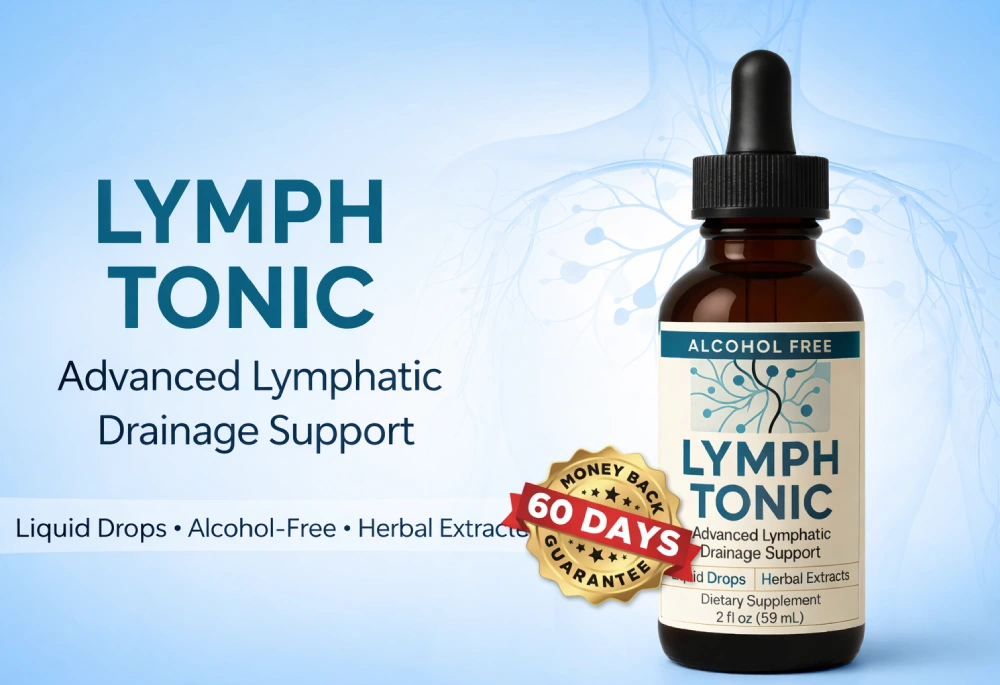
In today’s fast-paced world, maintaining a healthy body goes beyond just diet and exercise. One of the most overlooked systems in the body is the lymphatic system, which plays a vital role in detoxification, immune function, and overall wellness. When this system becomes sluggish, it can lead to fatigue, toxin buildup, and weakened immunity. This is where Lymph Tonic supplement has gained...
The ride-hailing industry has changed the way people travel in cities and towns across the world. Customers now expect transportation services that are fast, reliable, affordable, and easy to access through their smartphones. At the same time, drivers look for platforms that provide consistent earning opportunities, flexible working hours, and tools that simplify their daily operations. For...

The Canadian iGaming and casino industry is arguably one of the most highly regulated and competitive in the world. Because of the avalanche of advertising restrictions, rapidly changing provincial laws, and highly selective players, casino brands must take a more strategic and compliant approach to promotion. That’s why TMK, one of the best Casino Advertising Agency in Canada, is in a...