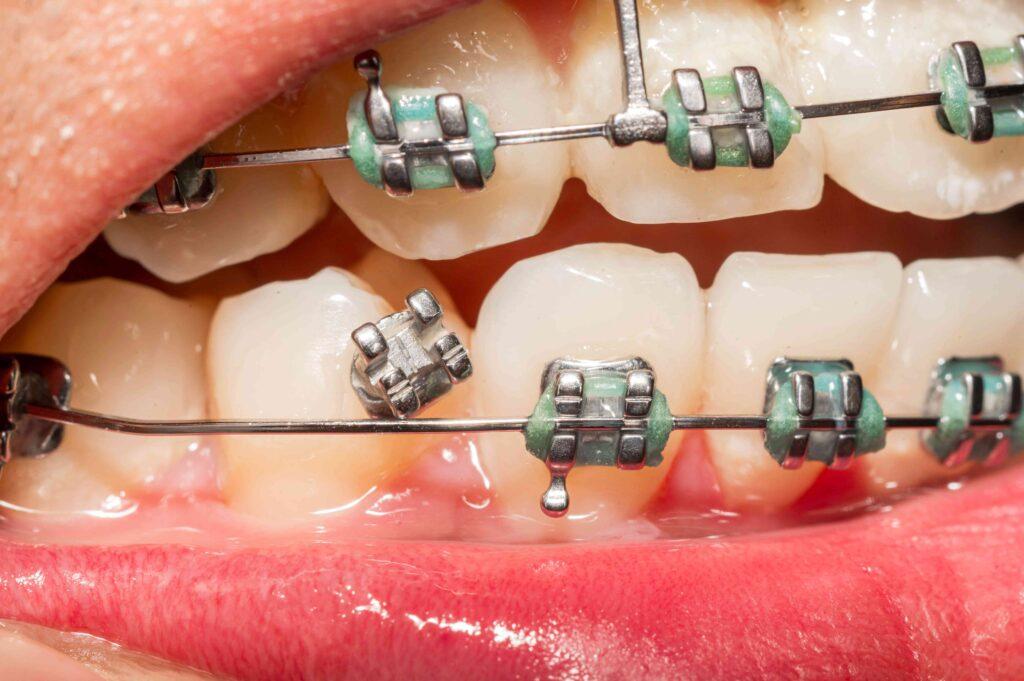
The journey to achieving a straighter smile is an exciting time, filled with anticipation for the final result. However, many people considering orthodontic treatment have a common concern: will the process leave behind unwanted souvenirs on their teeth? It is a valid question, and understanding the relationship between braces and tooth marks can help anyone move forward with confidence and knowledge.
Understanding How Braces Work
To grasp why marks might be a concern, it helps to first look at how braces function. Dental Braces in Dubai rely on a steady, gentle pressure applied to the teeth over time. This pressure is delivered through brackets bonded to the tooth surface and wires that connect them.
The brackets are attached using a special dental adhesive. When the time comes to remove the braces, this bond must be carefully broken, and the adhesive must be polished away from the enamel. This entire process is precise and, when performed correctly, is designed to leave the enamel intact and healthy.
The Role of Enamel in Tooth Appearance
Tooth enamel is the hard, outer layer that protects the more sensitive inner layers of the tooth. It is also responsible for the color and appearance of a smile. Healthy enamel has a certain translucency, and its surface can be smooth and glossy. Preserving this enamel is a top priority throughout orthodontic treatment.
The Difference Between Decalcification and Scratches
When people worry about permanent marks, they are usually referring to one of two distinct things: white spots left on the teeth or physical scratches in the enamel. It is important to distinguish between them, as their causes and permanency are very different.
White Spots on Teeth After Braces
White spots are one of the most frequently discussed concerns. These are not caused by the braces themselves but by the environment around them. They are areas where the enamel has lost minerals, a process known as decalcification. This happens when plaque, a sticky film of bacteria, is allowed to build up around the brackets and wires.
The bacteria in plaque feed on sugars from food and drink, producing acid that attacks the enamel. Over time, this acid can strip away minerals, leaving behind a chalky, white appearance. These spots are essentially the very beginning stage of a cavity. They are a permanent change to the enamel's structure, though their appearance can sometimes be improved.
Scratches on the Enamel Surface
Physical scratches on the enamel are a different matter. These could theoretically occur during the bonding or, more commonly, the debonding process when the braces are taken off. If the orthodontist uses tools incorrectly or with too much force, it is possible to scratch the enamel.
However, modern orthodontic techniques and instruments are designed specifically to minimize this risk. The process involves carefully removing the adhesive and then polishing the teeth to restore their natural smoothness. In the hands of a skilled professional, significant scratching is very rare. Any minor surface irregularities left from the adhesive are usually polished away, leaving the enamel smooth.
Factors That Influence the Risk of Marks
Several factors play a role in whether a person might end up with marks on their teeth after orthodontic treatment. Understanding these can empower individuals to take an active role in protecting their smile.
Oral Hygiene During Treatment
This is the single most important factor. Meticulous oral hygiene is non-negotiable when wearing braces. Because brackets and wires create many tiny spaces where food and plaque can hide, keeping the teeth clean requires more effort and attention.
Using specialized tools like interdental brushes and water flossers can help clean around the brackets effectively. When plaque is removed daily, the acid attacks that lead to white spots are prevented. A person dedicated to their oral hygiene routine during treatment has a very high chance of finishing with a smile free of white spots.
The Bonding and Debonding Process
The skill and care used when attaching and removing the braces also matter. The adhesive used to bond the brackets is designed to create a strong hold but also to be removable without damaging the enamel underneath.
During removal, the orthodontist carefully compresses the bracket to loosen the bond. Then, the remaining adhesive is gently polished away. This final polishing step is crucial for restoring the enamel's natural smoothness and shine.
Individual Tooth Structure and Health
Everyone's teeth are unique. Some people naturally have enamel that is more resistant to demineralization, while others may be more prone to it. Similarly, pre-existing conditions like enamel hypoplasia, where the enamel did not form perfectly, can make teeth more susceptible to white spots or other imperfections. These factors are unrelated to the braces themselves but can influence the final appearance after treatment.
Can the Enamel Naturally Repair Itself?
The body has an amazing ability to remineralize enamel to a certain degree. Saliva is nature's way of helping with this, as it contains minerals like calcium and phosphate that can be deposited back into the enamel. Using fluoride toothpaste and sometimes prescription fluoride rinses during treatment can also support this natural remineralization process.
However, this process is most effective for very early, minor areas of demineralization. Once a white spot has fully formed and become noticeable, it represents a loss of enamel structure that the body cannot fully rebuild. This is why prevention through excellent hygiene is so critical.
How Are Existing Marks Addressed After Braces?
If white spots or other minor marks do appear after treatment, there are ways to improve their appearance. It is important to remember that these are cosmetic concerns and not usually a sign of poor dental health, though they should be monitored.
Professional Treatments for White Spots
Dentists have several methods to help minimize the look of white spots. One approach is enamel microabrasion, where a very thin layer of enamel is gently removed to even out the color. Another option is teeth whitening, which can sometimes make the contrast between the white spot and the rest of the tooth less noticeable. In some cases, a treatment called ICON, which uses a resin infiltration technique, can be used to mask the white spot by changing how light reflects off the tooth.
Addressing Common Worries
Many people have heard stories or seen pictures that make them worry about the outcome of braces. It is helpful to address some of these common concerns directly.
Is It the Braces or the Person Wearing Them?
It is a common misconception that the braces themselves damage the teeth. The hardware is inert and does not cause harm. The marks that appear are a direct result of the interaction between plaque bacteria and the tooth surface. Braces simply make it harder to clean the teeth effectively, creating an environment where plaque can thrive if oral hygiene is neglected.
The Importance of the Final Polish
The step of removing the adhesive and polishing the teeth after the brackets are taken off is not just for aesthetics. It is a vital part of ensuring the enamel is healthy and smooth. This final polish removes any remaining microscopic bits of glue and leaves the tooth surface feeling as smooth as it was before treatment.
Book Us
If you are ready to begin your journey toward a straighter, healthier smile and want to ensure your teeth remain in pristine condition throughout the process, we invite you to book a consultation with us. Our team is dedicated to providing gentle, expert care and guiding you through every step, from the first bracket to the final polish. We are here to answer all your questions and help you achieve the beautiful smile you deserve, with confidence and peace of mind.
For those looking for expert care and advanced treatment options, facilities like Enfield Royal Clinic Dubai offer comprehensive solutions for post-orthodontic cosmetic concerns.
Frequently Asked Questions
Do braces damage the enamel on teeth?
When applied and removed correctly by a qualified professional, braces do not damage the enamel. The process is designed to be safe for the teeth. Marks usually occur from poor oral hygiene during treatment, not from the braces themselves.
What are the white spots left after braces removal?
White spots are areas where the enamel has lost minerals, a process called decalcification. They are caused by acid from plaque buildup around the brackets. They are a sign of early enamel demineralization and are preventable with good oral care.
Can teeth go back to normal after braces?
Yes, teeth can return to their normal, healthy state after braces, provided good oral hygiene is maintained. The gums may take a little time to settle, and the teeth will be thoroughly cleaned and polished once the braces are removed.
How to fix white spots on teeth after braces?
There are several ways to improve the appearance of white spots. These include enamel microabrasion, professional teeth whitening, and resin infiltration techniques. A dental professional can recommend the best option based on the severity of the spots.
Is it common to have marks on teeth after braces?
While it is a common concern, permanent marks are not inevitable. With diligent oral hygiene, including thorough cleaning around brackets and using fluoride products, the vast majority of people can complete their orthodontic treatment without developing noticeable white spots or marks.