How to Select CNC Tools Based on Material Type
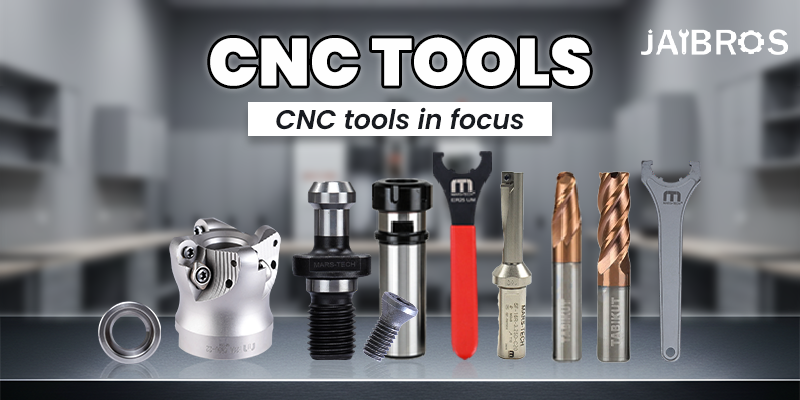
Learn how to select CNC tools based on material type for better precision, longer tool life, and improved machining performance across industries.
Choosing the Right CNC Tools for Different Material Types
Selecting the right cutting solution is one of the most critical decisions in machining. Every material behaves differently under cutting pressure, heat, and speed. Choosing the wrong tool can lead to poor surface finish, rapid wear, tool breakage, and increased production costs. That’s why understanding how to select CNC tools based on material type is essential for achieving precision, productivity, and long-term efficiency.
Different industries work with a wide range of materials such as aluminum, steel, titanium, cast iron, and composites. Each material requires specific tool geometry, coating, and substrate composition. In this guide, we’ll explore how to match tooling correctly to various materials while keeping performance and cost considerations in mind.
Why Material Type Matters in Tool Selection
The cutting performance of any tool depends on how it interacts with the workpiece material. Factors such as hardness, thermal conductivity, abrasiveness, and ductility influence tool wear and machining efficiency.
High-quality CNC are engineered with specific materials and coatings to handle these challenges. When properly selected, they:
-
Improve cutting speed
-
Reduce tool wear
-
Enhance surface finish
-
Maintain dimensional accuracy
-
Lower overall production costs
Making informed decisions about tooling ensures consistent output and better return on investment.
Selecting Tools for Aluminum and Soft Alloys
Aluminum is widely used in automotive, aerospace, and electronics industries because of its lightweight properties and good machinability. However, aluminum can stick to the cutting edge if the tool is not properly designed.
When machining aluminum, consider:
-
Sharp cutting edges
-
High rake angles
-
Polished flutes for chip evacuation
-
Coatings that reduce built-up edge
Carbide tools are commonly preferred because they allow high-speed cutting and maintain edge sharpness. Proper chip evacuation is critical to prevent clogging and surface damage.
Choosing Tools for Mild and Carbon Steel
Steel is one of the most common materials in manufacturing. It offers strength and durability but requires tools that can withstand moderate heat and pressure.
For steel machining:
-
Use strong core geometry
-
Select wear-resistant coatings
-
Maintain moderate cutting speeds
-
Ensure stable tool holding
Reliable tools designed for steel offer balanced toughness and hardness, ensuring consistent cutting performance without premature failure.
Tool Selection for Hardened Steel
Hardened steel presents greater challenges due to its high strength and resistance to wear. Machining such materials requires extremely durable tooling solutions.
Recommended features include:
-
Advanced coatings for heat resistance
-
Rigid tool structure
-
Reduced vibration geometry
-
Optimized cutting parameters
Premium carbide cnc perform exceptionally well in hardened applications because of their superior hardness and temperature resistance.
Machining Titanium and Heat-Resistant Alloys
Titanium and similar alloys are common in aerospace and medical industries. These materials generate intense heat and cause rapid tool wear if not handled correctly.
When selecting CNC for titanium:
-
Choose tools with high heat resistance
-
Use coatings that reduce friction
-
Maintain lower cutting speeds
-
Ensure efficient coolant application
Carbide cnc with specialized coatings help extend tool life and maintain consistent performance in these demanding conditions.
Tooling for Cast Iron
Cast iron is abrasive and tends to produce powder-like chips. It can quickly wear down inferior tooling.
For cast iron machining:
-
Select abrasion-resistant materials
-
Use wear-resistant coatings
-
Maintain proper feed rates
-
Avoid excessive cutting speeds
Quality tools designed specifically for cast iron improve durability and reduce the frequency of tool replacements.
Composite and Non-Metal Materials
Composites and plastics are increasingly used in modern manufacturing. These materials may cause delamination or fiber pull-out if incorrect tooling is used.
Tool considerations include:
-
Sharp edges
-
Proper flute design
-
Minimal vibration
-
Clean chip removal
Selecting the right tool ensures smooth finishing and avoids structural damage.
Balancing Performance and Tools Price
While performance is crucial, tools price also plays a role in purchasing decisions. However, focusing only on low price can result in higher long-term costs due to:
-
Frequent tool replacement
-
Increased downtime
-
Poor surface finish
-
Higher scrap rates
Premium tools may have a higher upfront cost, but they offer better value through longer life and improved efficiency. Evaluating total cost of ownership rather than initial price is always recommended.
Importance of Choosing the Right Supplier
Selecting the right tools supplier ensures access to genuine products and technical guidance. A trusted supplier provides:
-
Product certifications
-
Expert recommendations
-
Application-specific solutions
-
Reliable delivery timelines
Working with an experienced cnc tools supplier reduces risks and helps maintain consistent production standards.
Buying Tools Online in India
Many manufacturers today purchase from a cnc tools online shop india to access a wider product range and competitive pricing. Online platforms allow easy comparison of specifications, availability, and cnc tools price before making a purchase.
However, it’s essential to verify the credibility of the seller. Look for:
-
Customer reviews
-
Technical documentation
-
Authentic product listings
-
Responsive customer support
Choosing a reputable online source ensures quality and reliability.
Additional Factors to Consider
Beyond material type, several other factors influence tool selection:
-
Machine capability and spindle speed
-
Required surface finish
-
Production volume
-
Coolant availability
-
Tool holding system
High-quality CNC designed for specific materials deliver better results when combined with proper machining parameters.
The Role of Coatings in Material-Based Selection
Tool coatings significantly impact performance. Advanced coatings:
-
Reduce friction
-
Improve heat resistance
-
Enhance wear protection
-
Extend tool life
Carbide cnc tools with specialised coatings are particularly effective in high-temperature and abrasive applications.
Maximizing Tool Life Through Correct Selection
When tools are matched correctly to material type, manufacturers benefit from:
-
Predictable wear patterns
-
Reduced breakage
-
Consistent part quality
-
Lower maintenance requirements
Proper selection ensures stable machining operations and improved overall productivity.
Conclusion
Selecting the right tooling based on material type is essential for maintaining precision, productivity, and cost efficiency in machining operations. High-performance CNC tailored to specific materials such as aluminum, steel, titanium, or cast iron deliver superior results and longer tool life.
While cnc tools price is an important factor, quality and durability should never be compromised. Partnering with a trusted cnc supplier and sourcing from a reliable cnc tools online shop india ensures consistent performance and technical support. Investing in premium carbide cnc ultimately leads to better surface finishes, reduced downtime, and higher profitability.
About Jaibros:
Jaibros specializes in providing high-quality machining solutions tailored to diverse industrial needs. With a strong commitment to precision engineering and durability, Jaibros supports manufacturers in selecting the right tools for optimal performance and long-term success.
Frequently Asked Questions (FAQs)
1. Why is material type important when selecting CNC?
Different materials generate varying heat, friction, and wear patterns. Proper tool selection ensures better performance and longer tool life.
2. Are carbide tools suitable for all materials?
Carbide cnc are versatile and suitable for most metals, especially high-speed and high-temperature applications.
3. How does cnc tools price affect buying decisions?
Lower prices may reduce initial investment, but high-quality tools offer better long-term value through durability and efficiency.
4. Can I buy material-specific tools from a cnc tools online shop india?
Yes, many reputable online platforms provide specialized tools with detailed technical specifications.
5. How do I choose a reliable cnc tools supplier?
Look for suppliers with industry experience, certified products, technical support, and positive customer feedback.
Categorias
Leia Mais
To effectively prevent bed bugs in your Medford resort, using proactive Integrated Pest Management (IPM) is vital. High guest turnover and seasonal tourism make resorts vulnerable to infestations. Regular visual inspections and the strategic placement of interceptor traps help catch pests early. Staff training on bed bug awareness will enhance your team's response to potential issues. When bed...

Tại sao 11UU trở thành lựa chọn ưu tiên của cộng đồng cược thủTrong thị trường giải trí trực tuyến đầy sôi động và cạnh tranh như hiện nay, việc tìm kiếm một địa chỉ cá cược không khó, nhưng để chọn được một nơi vừa uy tín, vừa chất lượng lại là bài toán khiến nhiều người đau đầu. Giữa hàng...
The latest business intelligence report released by Polaris Market Research on Allergy Diagnostics Market Share, Size, Trends, Industry Analysis Report, By Product & Services (Consumables, Instruments {Immunoassay Analyzers, ELISA Analyzers, Luminometers, Other Instruments}, Services); By Allergen Type; By Test Type; By End User; By Region; Segment Forecast, 2024 - 2032. It covers the...
Offshore taxation services refer to outsourcing international tax research, compliance assistance, and documentation support to experienced professionals operating from offshore locations. These services function under the supervision of licensed onshore CPAs, tax consultants, or accounting firms. Their objective is to improve...

Royal Max Keto Gummies Explained – Ingredients, Uses & FAQs The dietary supplement market is frequently flooded with products promising rapid results, and Royal Max Keto Gummies is a prominent name in this category. Often marketed alongside bold claims of effortless weight loss and celebrity endorsements, these gummies combine the principles of the ketogenic diet with the purported...