Advantages of Using a U Drill in Heavy Machining
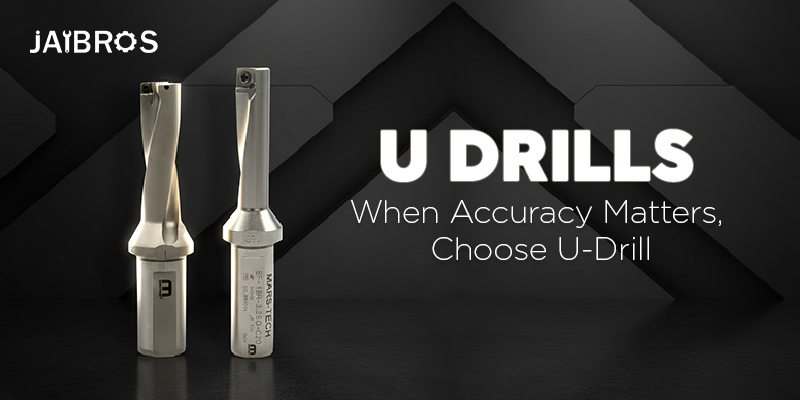
Discover the advantages of using a U drill in heavy machining. Learn about insert types, size selection and improved drilling performance for CNC operations.
Key Benefits of U Drills in Industrial Drilling
Heavy machining operations demand strength, precision, and efficiency. Whether working on large steel components, alloy materials, or high-volume production parts, selecting the right drilling tool is critical. One of the most effective tools used in modern CNC and industrial environments is the u drill. Designed for high-performance drilling, it offers better stability, faster material removal, and improved productivity compared to traditional drill bits.
In this comprehensive guide, we will explore the major advantages of using this tool in heavy machining, along with details about u drill insert systems, drill size selection, and when to consider a single insert drill for specific applications.
Understanding the U Drill System
A U drill is a type of indexable insert drill designed primarily for CNC and heavy-duty machining operations. Unlike conventional solid twist drills, this tool uses replaceable carbide inserts mounted on a drill body. The inserts perform the cutting action while the body provides strength and stability.
The design allows machinists to replace worn inserts instead of replacing the entire tool, making it cost-effective and suitable for continuous industrial use. Because of its rigid structure, a drill can handle higher feed rates and deeper drilling compared to standard drills.
High Material Removal Rate
One of the biggest advantages of using a drill in heavy machining is its high material removal rate. The indexable insert design allows aggressive cutting with higher feed speeds.
In heavy industries such as automotive and heavy engineering, faster drilling means increased production output. The combination of durable inserts and optimized geometry ensures smooth penetration into tough materials such as stainless steel, cast iron, and alloy steel.
This ability to remove material efficiently makes it ideal for mass production environments.
Enhanced Stability and Rigidity
Heavy machining often involves thick materials and large diameters. Tool deflection and vibration can become serious challenges. The rigid body construction of a drill minimizes deflection and improves hole accuracy.
The strong clamping mechanism used for each drill insert ensures that the inserts remain securely positioned during cutting. Reduced vibration results in better surface finish and improved dimensional consistency.
Stability is especially important when drilling deep holes, where maintaining alignment is critical.
Cost Efficiency Through Replaceable Inserts
Traditional solid carbide drills require complete replacement once worn out. In contrast, the indexable system allows users to change only the insert while retaining the drill body.
This significantly lowers tooling costs in high-volume operations. Since each insert features multiple cutting edges, machinists can rotate or replace inserts as needed, extending overall tool life.
The long-term cost savings make this tool highly economical for heavy machining industries.
Wide Range of U Drill Size Options
Selecting the correct drill size is essential for achieving accurate hole dimensions. These drills are available in a wide range of diameters, making them suitable for various industrial applications.
From medium-sized holes to large-diameter drilling tasks, choosing the proper diameter ensures optimal cutting performance. Larger diameters are commonly used in structural components, heavy machinery parts, and industrial equipment manufacturing.
By selecting the correct u drill size, operators can reduce load on the machine spindle and improve cutting efficiency.
Better Chip Control and Evacuation
Chip evacuation is a major concern in deep-hole drilling. Poor chip removal can cause tool breakage and surface defects.
The design of a promotes efficient chip flow, reducing the chances of chip clogging. The insert geometry is optimized to break chips into manageable sizes, improving drilling stability.
Effective chip evacuation enhances tool life and maintains consistent hole quality even in demanding machining conditions.
Flexibility with Single Insert Drill
In certain applications, a single insert drill can be a practical solution. This type of drill uses one primary cutting insert and is often used for specific diameter ranges or lighter cutting requirements.
The single insert u drill is generally suitable for smaller diameters or where machine power is limited. It provides stable performance while maintaining cost efficiency.
Choosing between dual-insert and single-insert configurations depends on the material type, hole diameter, and machine capability.
Improved Hole Accuracy
Precision is critical in heavy machining. The rigid body and balanced insert placement of a drill allow accurate hole positioning and consistent diameter control.
Compared to conventional twist drills, this system reduces runout and improves straightness. This is particularly beneficial when machining components that require tight tolerances.
Improved accuracy reduces the need for secondary finishing operations, saving time and production costs.
Suitable for Tough Materials
Heavy machining often involves challenging materials such as hardened steel, forged components, and cast iron.
The carbide-based insert system provides high wear resistance and heat tolerance. This allows the tool to operate at higher speeds without compromising performance.
The ability to handle tough materials makes it a reliable choice in heavy industries
Reduced Machine Downtime
Tool replacement time directly impacts productivity. Since insert changes are quick and simple, downtime is minimised.
Operators can replace worn inserts within minutes without removing the entire tool assembly. This ensures smooth workflow and continuous production in high-demand environments.
Reduced downtime increases overall efficiency and operational profitability.
Versatility in Industrial Applications
This drilling system is widely used in industries such as:
-
Automotive manufacturing
-
Heavy equipment production
-
Aerospace component machining
-
Oil and gas industry
-
General engineering workshops
Its adaptability to various drill size options and insert grades makes it suitable for multiple materials and applications
Maintenance and Best Practices
To maximise performance, regular inspection of inserts and tool body is important. Clean insert pockets before installation to ensure proper seating.
Avoid excessive cutting speeds beyond recommended parameters. Proper coolant application also improves performance and extends insert life.
Routine maintenance ensures consistent drilling results and prevents unexpected tool failure.
Why Heavy Machining Requires Advanced Drilling Solutions
Heavy machining environments involve high cutting loads and tough materials. Using conventional drilling tools may lead to rapid wear and inconsistent hole quality.
A properly selected provides strength, speed, and reliability. Its advanced insert system enhances productivity and reduces long-term costs, making it an essential tool in modern industrial machining.
Frequently Asked Questions
Q1. What is the main advantage of a u drill in heavy machining?
The main advantage is its high material removal rate combined with strong rigidity, making it ideal for large-diameter and deep-hole drilling in tough materials.
Q2. How do I choose the correct u drill size?
Select the diameter based on the required hole size and machine capacity. Matching the tool size with the spindle power ensures better stability and performance.
Q3. What is a U drill insert?
A u drill insert is a replaceable carbide cutting edge mounted on the drill body. It performs the actual cutting action and can be replaced once worn.
Q4. When should I use a single insert u drill?
A single insert u drill is suitable for lighter applications or smaller diameters where machine power may be limited.
Q5. Are u drills suitable for CNC machines?
Yes, they are widely used in CNC machining centers due to their accuracy, speed, and easy insert replacement system.
Conclusion
The advantages of using a u drill in heavy machining are clear: higher productivity, improved stability, cost efficiency, and superior hole quality. With options in u drill size selection, advanced insert systems, and configurations like the single insert drill, manufacturers can tailor their drilling process to meet demanding industrial requirements. Investing in high-quality drilling solutions ensures consistent performance and long-term success in heavy machining operations.
About Jaibros
Jaibros is a trusted supplier of industrial cutting tools and precision machining accessories. The company is committed to delivering high-performance tooling solutions designed to meet the evolving needs of modern manufacturing industries.
Categorias
Leia Mais
Golfers looking for more confidence from their fairway woods are increasingly upgrading to modern custom golf shafts that improve launch, consistency, and distance. The Jupiter Lite 7 Wood Shaft from Steadfast Golf is engineered for players seeking more speed, tighter dispersion, and improved fairway performance without sacrificing feel. Built in collaboration with shaft designer Steve Sacks,...
Cruise vacation are becoming one of the most loved travel experience in India, and choosing the right booking platform can make all the difference. Ghumakadd provides a unique service that customers can use. Ghumakadd provides a complete solution for modern travelers who need online cruise booking because its platform combines three essential elements: convenience, clarity, and trusted...

Call Girls Bangalore Russian Escort in Bangalore Experience the finest Bangalore Escorts with Sofeeya.biz, Bangalore’s most exclusive and reliable premium escort service. We specialize in connecting discerning gentlemen with breathtaking, intelligent, and sophisticated companions who turn every meeting into a memorable escape. Our premium collection of Bangalore escorts features...

The Indian Premier League is more than just cricket—it's a national obsession that draws millions of fans each season. Since online sports betting is growing quickly in India and beyond, obtaining the IPL Online Cricket ID identification is now the first step for anyone looking to elevate the IPL game to the highest level. No matter if you're a novice or a seasoned bettor, this...

Maintaining a comfortable and productive environment in your commercial property is essential for employee satisfaction and operational efficiency. Over time, even the most reliable air conditioning systems can lose efficiency, experience frequent breakdowns, or fail completely. Understanding Commercial AC Replacement In Chino Valley AZ is crucial for business owners who want to ensure...