Step-by-Step Commercial Post-Construction Cleaning Process
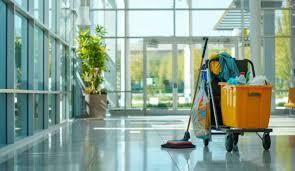
Commercial post-construction cleaning is an essential process that prepares newly constructed or renovated properties for safe occupancy and business operations. Construction work usually leaves behind dust, debris, paint residue, and chemical particles that cannot be removed through routine cleaning methods. A structured post-construction cleaning process ensures that commercial spaces are hygienic, visually appealing, and ready for use.
Many businesses underestimate the importance of post-construction sanitation and rush into property usage before proper cleaning is completed. Professional commercial cleaning services use industrial equipment and systematic techniques to achieve high-quality results. Following a step-by-step cleaning process helps maintain safety standards and property presentation quality.
Understanding Commercial Post-Construction Cleaning Process
Commercial post-construction cleaning is a specialized deep sanitation workflow designed to remove construction dust, debris, chemical residue, and material contamination after building or renovation work. Unlike routine maintenance cleaning, it focuses on industrial-level property restoration by eliminating construction-related pollutants. Proper post-building sanitation process ensures occupancy-ready commercial environments.
-
Removal of Construction Waste and Heavy Debris: The first step involves clearing large construction leftovers such as packaging materials, plaster fragments, and cement pieces. Industrial cleaning teams use commercial vacuum systems and waste collection tools for efficient debris removal. This stage prepares the property for a detailed sanitation workflow.
-
Dry Dust Extraction and Surface Preparation: Dry cleaning methods are applied before wet sanitation to remove loose dust particles from floors, walls, and furniture. Microfiber wiping and vacuum technology help achieve construction dust control in commercial spaces. Surface preparation supports effective deep cleaning execution.
-
Multi-Surface Detailed Cleaning Stage: Detailed sanitation targets walls, ceilings, glass panels, fixtures, and installed commercial equipment. Special cleaning solutions are used to remove paint marks, adhesive traces, and cement stains. This stage improves property presentation and hygiene quality.
-
Final Inspection and Quality Verification Cleaning: The last stage involves a walkthrough inspection to check hidden dust, stains, or residue. Professional cleaning teams ensure compliance with commercial building hygiene standards. Quality verification confirms occupancy-ready property condition before business use.
Waste and Debris Removal
The first step involves removing large construction waste such as leftover materials, packaging debris, wood fragments, and cement pieces. Clearing heavy waste helps create a clean workspace for detailed sanitation work. Industrial cleaning teams usually use waste collection tools and vacuum systems during this stage.
Dry Dust Cleaning
Dry cleaning methods are used to remove loose construction dust from surfaces before applying wet cleaning solutions. Vacuum cleaners and microfiber dusting tools are commonly used for walls, floors, and furniture surfaces. This step prevents dust from spreading during wet sanitation work.
Ceiling and Light Fixture Cleaning
Ceilings, lighting installations, and overhead structures often accumulate construction dust during building work. Professional cleaners use extendable tools to remove dust from high surfaces safely. Cleaning these areas improves indoor air circulation and property appearance.
Wall Surface Cleaning
Walls may contain paint splashes, plaster marks, or adhesive residue after construction work. Gentle cleaning solutions are applied to remove marks without damaging paint layers. Surface restoration cleaning ensures walls look professional and well-maintained.
Floor Cleaning and Polishing
Different flooring materials require specific cleaning techniques such as scrubbing, steam cleaning, or polishing. Construction stains, cement residue, and dirt layers are removed using industrial machines. Proper floor treatment improves property presentation quality.
Window and Glass Cleaning
Windows, glass doors, and partitions are cleaned to remove fingerprints, paint spots, and construction dust. Streak-free polishing methods are used to achieve clear visibility and professional appearance. Glass surface sanitation is important for commercial aesthetics.
Ventilation and Air Duct Cleaning
Air conditioning vents and duct systems may contain trapped construction dust particles. Cleaning ventilation systems helps maintain indoor air quality and supports healthy airflow. This step is essential for commercial buildings and office spaces.
Final Inspection and Detailing
The final stage involves a detailed walkthrough inspection to confirm that no construction residue remains. Professional cleaning teams check corners, fixtures, floors, and ventilation areas for missed dust or stains. Quality verification ensures occupancy readiness.
Benefits of Post-Construction Cleaning
Post-construction cleaning plays a crucial role in ensuring commercial property safety and hygiene restoration by removing construction dust, chemical residue, and debris from interior surfaces. It helps create a healthy indoor environment for employees, customers, and visitors. Proper sanitation supports industrial building cleanliness and operational readiness.
-
Improved Workplace Health and Safety: Thorough construction sanitation removes airborne dust particles, bacteria, and chemical pollutants from commercial spaces. This helps reduce allergy risks and supports better indoor air quality management. Professional cleaning promotes safe occupancy preparation.
-
Enhanced Property Visual Presentation: Professional post-construction cleaning restores the appearance of offices, retail stores, and industrial facilities. Streak-free windows, polished floors, and dust-free surfaces create a ready-to-use business environment. Clean interiors improve commercial client impression quality.
-
Support for Long-Term Property Protection: Removing construction dust and chemical residue helps prevent corrosion, paint damage, and surface deterioration. Regular deep sanitation contributes to building maintenance sustainability. This protects commercial assets from early structural wear.
-
Operational Readiness for Business Use: Post-construction cleaning prepares properties for immediate occupancy or business setup after construction work. Clean environments help companies start operations without additional preparation delays. Professional sanitation ensures efficient commercial transition management.
Common Mistakes to Avoid
Post-construction sanitation requires professional deep cleaning methods to ensure commercial properties are safe and ready for occupancy. Many businesses make mistakes by treating construction cleanup as a simple task rather than a structured industrial sanitation process. Avoiding these errors helps achieve inspection-ready property restoration after construction work.
-
Occupying Property Without Deep Cleaning: Entering the building immediately after construction is a serious mistake because construction dust and chemical particles may still be present. Residual contaminants inside indoor spaces can create poor air quality and health risks. Proper sanitation ensures safe commercial occupancy preparation.
-
Using Household Cleaning Methods: Basic home cleaning tools are not sufficient for meeting industrial post-construction sanitation standards. Commercial properties require specialized equipment to remove cement dust, paint splashes, and construction stains. Professional cleaning solutions improve surface restoration and hygiene quality.
-
Ignoring Ventilation and Air Duct Cleaning: Construction dust may accumulate inside air conditioning vents and duct systems after construction completion. If ventilation systems are not cleaned, dust circulation can affect the indoor workplace environment quality. Air duct sanitation supports healthy airflow management.
-
Skipping Final Quality Inspection Cleaning: Failure to perform a final walkthrough sanitation check may leave small dust patches or residue unnoticed. Inspection-stage cleaning ensures the property meets construction handover hygiene standards. Detailed verification improves commercial property acceptance rates.
Conclusion
The step-by-step commercial post-construction cleaning process is essential for preparing properties before occupancy. Construction work leaves behind contaminants that require specialized cleaning methods and equipment. Following a structured sanitation workflow ensures safety, hygiene, and visual presentation quality.
Investing in professional post-construction cleaning services helps businesses maintain high standards of property maintenance and operational readiness. Proper cleaning reduces health risks, improves indoor air quality, and supports successful commercial use of the building.
Frequently Asked Questions
What is commercial post-construction cleaning?
Commercial post-construction cleaning is a deep sanitation process performed after construction or renovation work to remove dust, debris, paint residue, and chemical contaminants before property occupancy.
Why is post-construction cleaning important?
It ensures the building is safe, hygienic, and ready for business operations by eliminating construction waste and improving indoor air quality.
What areas are included in post-construction cleaning?
It typically includes floors, walls, ceilings, windows, ventilation systems, bathrooms, kitchens, and installed commercial fixtures affected by construction work.
How long does post-construction cleaning take?
Cleaning time depends on property size and construction complexity. Small commercial spaces may take a few hours, while larger buildings may require several days.
Do I need professional cleaning services?
Professional cleaning is recommended because post-construction sanitation requires industrial equipment, specialized solutions, and skilled cleaning techniques.
What tools are used in post-construction cleaning?
Common tools include industrial vacuum cleaners, steam cleaners, floor scrubbers, microfiber cloths, and commercial-grade disinfectants.
Can post-construction cleaning remove paint stains?
Yes, professional cleaning methods can remove paint splashes, plaster marks, and construction residue without damaging building surfaces.
Is ventilation cleaning necessary after construction?
Yes, air duct and ventilation system cleaning is important because construction dust can accumulate inside airflow systems.
When should post-construction cleaning be scheduled?
It should be scheduled after construction work is fully completed and before furniture installation or commercial occupancy.
How can I ensure quality post-construction cleaning?
Hiring experienced cleaning professionals, using proper equipment, and performing final inspection checks help ensure high-quality sanitation results.
Categorii
Citeste mai mult
According to the latest report published by Data Bridge Market Research, the Vulvar Cancer Market The global vulvar cancer market size was valued at USD 605.70 billion in 2024 and is projected to reach USD 973.44 billion by 2032, with a CAGR of 6.11% during the forecast period of 2025 to 2032. In addition to the insights on market scenarios such as market value, growth...

Healthy, radiant skin is something everyone desires, but achieving it requires more than just home remedies or over the counter products. In today’s fast paced lifestyle, pollution, stress, and poor dietary habits often lead to skin issues like acne, pigmentation, dullness, and premature aging. This is where a professional skin clinic plays a crucial role in transforming your skin health...
" According to the latest report published by Data Bridge Market Research, the Myeloperoxidase Deficiency Market The global myeloperoxidase deficiency market size was valued at USD 30.50 million in 2024 and is expected to reach USD 46.80 million by 2032, at a CAGR of 5.50% during the forecast period Myeloperoxidase Deficiency Market report, businesses can...
People keep saying backlinks do not matter anymore. That sounds nice in theory, but search results still tell a different story most days. Websites with stronger authority usually stay visible longer, even when smaller sites publish better articles sometimes. Search engines care about trust. They look at who mentions your website, where those mentions come from, and whether the links actually...
In the UK, patients are increasingly exploring legal medical cannabis access as an alternative or supplementary treatment for chronic conditions. Cannabis-based therapy is strictly regulated, and patients can only access it through licensed healthcare professionals. Evergreen Terpene offers a comprehensive Medical cannabis access service designed to make the process simple, safe, and fully...