How Much Does Gas Pipe Replacement Cost?
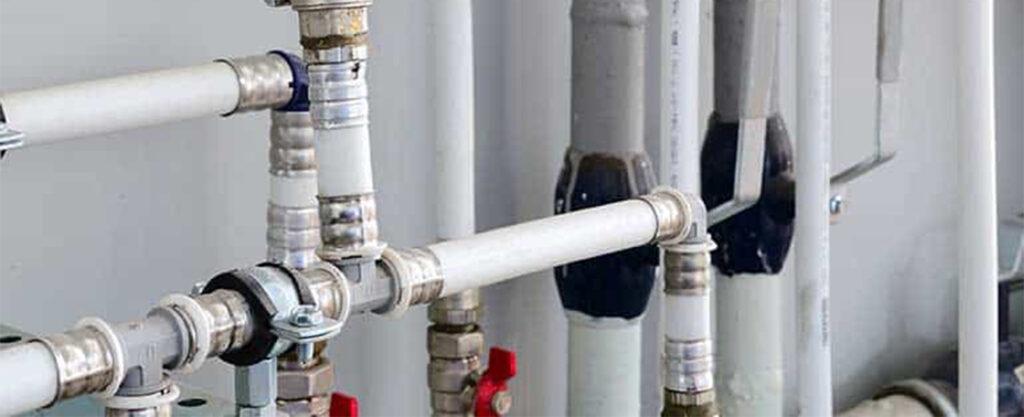
Replacing gas pipes is a critical home maintenance task that ensures safety, efficiency, and compliance with local building codes. A Gas Pipe Replacement is not only about maintaining a reliable gas supply but also about protecting your home and family from potential hazards like gas leaks or fire risks. Homeowners often wonder about the costs involved, especially when considering HVAC in Lakewood, CO, residential upgrades, or safety improvements. Understanding pricing, factors that affect cost, and the difference between repair and replacement will help you make informed decisions for your property.
What Is Gas Pipe Replacement?
Gas Pipe Replacement involves removing old, damaged, or corroded gas lines and installing new piping that meets current safety standards. This process ensures safe gas flow to appliances such as furnaces, water heaters, stoves, and fireplaces. While minor repairs may temporarily fix leaks or faulty connections, full replacement is often required when pipes are outdated, corroded, or no longer meet local codes.
Professional technicians handle the work with proper safety measures, inspections, and compliance with regulations, ensuring peace of mind for homeowners.
Average Cost of Gas Pipe Replacement
The cost of replacing gas pipes varies depending on pipe type, length, property size, and complexity of the installation. In general, homeowners can expect:
-
Small residential projects (short pipe runs): $500 – $1,500
-
Medium residential replacements: $1,500 – $3,500
-
Large or complex projects: $3,500 – $7,000+
These costs include materials, labor, and basic safety testing. Local labor rates in Lakewood, CO, may influence the final price, so obtaining multiple quotes from licensed contractors is recommended.
Residential vs Commercial Gas Pipe Replacement
Residential Gas Pipe Replacement
Most residential replacements are straightforward but require careful attention to safety:
-
Piping to stoves, water heaters, furnaces, or fireplaces
-
Shorter runs typically cost less than extensive networks
-
Professional installation ensures code compliance and proper venting
Commercial Gas Pipe Replacement
Commercial systems are more complex due to higher demands and longer pipe runs:
-
Larger-diameter piping and higher-pressure systems
-
Gas line replacement for multiple appliances or units
-
Compliance with commercial safety codes and inspections
Commercial replacements usually require more labor and specialized knowledge, increasing the total cost.
Factors Affecting Gas Pipe Replacement Costs
Several key factors influence pricing:
-
Pipe Material – Steel, copper, or flexible CSST pipes differ in price and installation requirements.
-
Pipe Length – Longer runs increase material and labor costs.
-
Accessibility – Pipes in walls, underground, or behind appliances may require extra labor to reach.
-
Local Codes and Permits – Lakewood regulations and permits can add fees.
-
Appliance Connections – Multiple appliance hookups may require more complex installation.
-
Professional Labor – Licensed technicians ensure safety and quality but may cost more than DIY attempts.
Gas Pipe Repair vs Replacement
Homeowners often face the choice between repairing a damaged gas line or opting for a full replacement:
-
Gas Pipe Repair – Best for minor leaks, corrosion, or isolated damage. Lower cost initially but may require repeated fixes.
-
Gas Pipe Replacement – Recommended if pipes are old, extensively corroded, or fail multiple inspections. Higher upfront cost, but safer and more reliable long-term.
Professional advice is crucial to determine the most cost-effective and safe option.
Importance of Professional Gas Pipe Replacement
Gas is highly flammable, and incorrect installation or repair can lead to explosions, fires, or carbon monoxide exposure. Professional Gas Pipe Replacement ensures:
-
Proper material selection
-
Safe installation techniques
-
Leak testing and pressure checks
-
Compliance with building codes
-
Long-term reliability and peace of mind
Attempting DIY gas pipe work is strongly discouraged due to high safety risks.
Steps in a Professional Gas Pipe Replacement
-
Initial Inspection – Assess existing pipes, leaks, and safety hazards.
-
System Shut-Off – Safely turn off the gas supply before starting work.
-
Pipe Removal – Remove old or damaged pipes carefully.
-
New Pipe Installation – Use appropriate materials and routing for efficiency and safety.
-
Connection to Appliances – Ensure proper fittings to stoves, furnaces, and heaters.
-
Leak Testing & Inspection – Verify the integrity of the system and compliance with codes.
-
Final Approval – Provide homeowners with confirmation of safe operation.
Gas Pipe Safety Tips for Homeowners
-
Schedule regular inspections for leaks and corrosion
-
Install carbon monoxide detectors near gas appliances
-
Never attempt DIY gas line work
-
Address unusual smells or hissing sounds immediately
-
Follow maintenance schedules recommended by professionals
Cost-Saving Tips
-
Compare quotes from licensed contractors
-
Replace multiple pipes in one project to reduce labor costs
-
Opt for modern, durable piping materials
-
Maintain pipes to extend lifespan and avoid emergency replacements
Final Thoughts
Understanding the cost of Gas Pipe Replacement is essential for homeowners and business owners alike. While repairs may address short-term issues, full replacement ensures safety, efficiency, and long-term reliability. Working with licensed professionals, like Bear Creek Heating and Air Conditioning, guarantees compliance with local codes, proper installation, and peace of mind for you and your family. Investing in a safe, well-installed gas system protects your home, appliances, and loved ones from potential hazards.
FAQs
1. How long does a residential gas pipe replacement take?
Most small to medium replacements can be completed in 1–2 days, depending on complexity.
2. Can I replace gas pipes myself?
No — gas work is dangerous and should always be handled by licensed professionals.
3. How do I know if my gas pipes need replacement?
Signs include corrosion, frequent leaks, or failed inspections.
4. What materials are used for gas pipe replacement?
Common options include steel, copper, and flexible CSST piping.
5. Does replacing gas pipes increase my home’s safety?
Yes — professional replacement eliminates leaks, reduces fire risk, and ensures code compliance.
Κατηγορίες
Διαβάζω περισσότερα
A road accident can disrupt your daily routine, especially if your vehicle is no longer drivable. Whether you rely on your car for work, school runs, or everyday errands, being without transport can be frustrating. Fortunately, if you’ve been involved in an accident, you may be entitled to a replacement vehicle in Birmingham to keep you moving while your car is being repaired or...

Guwahati has become one of the fastest-growing automotive customization hubs in Northeast India. Car enthusiasts today want more than just transportation — they want style, comfort, technology, and performance upgrades that reflect their personality. Custom Cars is recognized as one of the best car modification destinations in Guwahati, offering premium vehicle customization,...
The Europe Medical Imaging Equipment Market is witnessing stable growth supported by advanced healthcare systems, rising demand for early disease diagnosis, and continuous technological advancements. The Europe Medical Imaging Equipment Market Outlook (2021–2031) highlights increasing investments in diagnostic infrastructure and the adoption of cutting-edge imaging...

Défis et stratégies Abysses 12 L'étage 12 des Abysses, situé dans la version 4.6, constitue un défi majeur pour les aventuriers de Genshin Impact. Il se renouvelle à chaque début de cycle de la spirale de la lune, soit le 1er et le 16 de chaque mois, nécessitant des stratégies adaptées pour triompher. La principale...
Introduzione al Mercato AttualeNel 2026, il mercato dei casinò online in Italia è in continua crescita e trasformazione. I casinò non AAMS attirano sempre più utenti grazie alla loro flessibilità e varietà di offerte. Comprendere il contesto attuale è fondamentale per scegliere piattaforme affidabili e vivere un’esperienza di gioco...