


Nonwoven Material Product Market Insights: Regional Growth and Industry Dynamics

In recent years, the nonwoven materials market has emerged as one of the most dynamic sectors within the global materials industry. Driven by rapid technological innovation, expanding end-use applications, and heightened demand from healthcare, hygiene, and filtration sectors, nonwoven products are no longer niche raw materials — they are critical components of modern manufacturing and consumer goods. This article explores the key factors shaping the nonwoven material product market, current trends, growth opportunities, and future directions that businesses and investors should watch.
What Are Nonwoven Materials?
Nonwoven materials are engineered fabrics made from fibers bonded together through chemical, mechanical, thermal, or solvent processes, rather than woven or knitted. Their unique structure allows for customizable properties such as strength, absorbency, softness, and filtration efficiency. Because they can be designed for specific uses and produced at scale relatively economically, nonwovens have found widespread adoption in industries ranging from medical to automotive and beyond.
Applications vary widely and include disposable hygiene products like diapers and feminine hygiene, personal protective equipment such as surgical masks and gowns, air and liquid filters, geotextiles for construction, agricultural coverings, and even components in automotive interiors.
Market Growth: Driving Forces and Catalysts
Over the past decade, the nonwoven material product market has recorded strong growth. Several key factors underlie this expansion:
1. Healthcare and Hygiene Demand
The global focus on health and hygiene, especially accelerated by the COVID-19 pandemic, has driven unprecedented demand for nonwoven products. Medical disposables — surgical masks, protective suits, gowns, wipes, and sterilization wraps — rely heavily on nonwoven fabrics. Hygiene products such as baby diapers and adult incontinence pads also represent significant market volume. Aging populations in developed markets and increasing awareness of personal hygiene in emerging economies further sustain this demand.
2. Advancements in Manufacturing Technology
Technological improvements in nonwoven production — including spunbond, meltblown, and airlaid processes — have expanded the range of achievable properties and expanded scalability. Innovations such as bicomponent fibers, spunlaced fabrics, and needlepunch bonding enable manufacturers to tailor materials to specific performance requirements, making nonwovens more competitive against traditional textiles and other materials.
3. Sustainability Pressures and Eco-Friendly Solutions
Environmental concerns have become a defining trend in the nonwoven market. Consumers and regulators alike are pushing for more sustainable products and processes. This pressure has led to increased use of biodegradable, compostable, and recycled polymers in nonwoven production. Innovations such as plant-based fibers and closed-loop recycling systems are gaining traction, attracting environmentally conscious buyers and differentiating brands in competitive markets.
4. Expanding Industrial Applications
Nonwoven materials are not only for disposables anymore. Industrial demand — especially for filtration media, construction geotextiles, automotive interiors, and agricultural fabrics — continues to rise. Nonwovens offer lightweight alternatives with high performance in filtration efficiency, tensile strength, and weather resistance, making them attractive for engineers and designers seeking cost-effective solutions.
Regional Insights
Asia-Pacific Leads Growth
The Asia-Pacific region has become the largest and fastest-growing market for nonwoven materials, driven by rapid industrialization, expanding healthcare infrastructure, and growing consumer demand for hygiene products. Countries such as China, India, and Southeast Asian economies are increasingly investing in domestic production capabilities, responding both to local demand and export opportunities.
North America and Europe: Innovation Hubs
North America and Europe remain important markets characterized by high per-capita consumption and strong innovation. These regions are often early adopters of advanced nonwoven technologies, including specialty filtration media and sustainable nonwoven products. Regulatory frameworks and environmental standards in these markets also encourage the development of eco-friendly alternatives.
Emerging and Niche Segments
Several emerging segments within the nonwoven market are worth highlighting:
1. Filtration and Clean Air Solutions
As air quality concerns grow globally — due to urbanization and industrial pollution — demand for high-performance nonwoven filter materials is increasing. These materials are critical not only in HVAC systems but also in automotive cabin air filters and industrial applications. The rise of particulate matter regulations drives innovation in higher efficiency and longer-lasting filter media.
2. Sustainable Nonwovens
Eco-friendly nonwoven materials made from renewable sources or designed for recyclability are gaining traction. Biodegradable nonwovens, including those based on polylactic acid (PLA) or cellulose fibers, appeal to brands targeting environmentally conscious consumers. As recycling infrastructure improves, recycled nonwoven products are also becoming more viable.
3. Automotive Lightweight Materials
Automakers are increasingly adopting nonwoven composites for interior components and insulation to reduce weight and improve fuel efficiency. Nonwoven materials offer strength, thermal resistance, and acoustic performance, all while contributing to lighter vehicle designs.
Challenges Facing the Market
While the nonwoven materials market offers promising opportunities, it also faces challenges:
Raw Material Price Volatility
Nonwoven production depends heavily on polymer feedstocks such as polypropylene and polyester. Fluctuations in global petrochemical prices can impact production costs and profit margins, particularly for manufacturers without backward integration into raw material supply.
Environmental Concerns and Regulatory Pressure
Despite sustainability efforts, a significant share of nonwoven products — especially single-use items — still contribute to waste streams. Governments worldwide are introducing regulations targeting single-use plastics and encouraging recycling. Meeting these regulatory requirements while maintaining performance and cost competitiveness remains a major challenge.
Intense Competition and Commoditization
As capacity expands globally, competition intensifies. Some segments of the nonwoven market have become commoditized, leading to pricing pressure and thinner margins. To stay competitive, manufacturers are investing in product differentiation through performance enhancements and value-added applications.
Looking Ahead: Future Trends
The nonwoven material product market is poised for continued evolution. Key trends shaping the future include:
- Increased Adoption of Digital and Smart Manufacturing: Industry 4.0 technologies such as automation, real-time sensors, and data analytics will enhance production efficiency and quality control.
- Greater Focus on Circular Economy Models: Recycling and reuse of nonwoven materials will deepen, supported by innovations in chemical recycling and bio-based polymers.
- Customization and Functionalization for High-Growth Sectors: Demand for materials with specific functionalities — antimicrobial properties, enhanced filtration, moisture management — will expand, especially in medical and technical applications.
- Collaborative Innovation and Cross-Sector Partnerships: Partnerships between material scientists, manufacturers, and end-use industry players will accelerate development of application-specific solutions.
The nonwoven material product market is a dynamic and expanding sector with broad implications across healthcare, hygiene, industrial, and consumer applications. While challenges such as raw material volatility and environmental considerations persist, opportunities in sustainable products, advanced filtration, and industrial uses continue to drive growth. Businesses that invest in innovation, sustainability, and strategic market positioning are well-placed to capitalize on the rising demand for nonwoven solutions in a world increasingly focused on performance, health, and environmental stewardship.
Categories
Read More
In the modern digital world, user experience has become one of the most important factors influencing the success of online platforms. Introduction In the modern digital world, user experience has become one of the most important factors influencing the success of online platforms. Whether users are browsing social media, shopping online, or accessing sports-related platforms, they expect fast,...

Modern lingerie is no longer just about appearance—it’s about how it feels and performs throughout the day. Bodysuit designs have become a popular choice for women who want elegance, comfort, and versatility in one piece. With thoughtful construction and stylish detailing, today’s bodysuits deliver a perfect balance of fashion, fit, and function. Fashion-Forward Designs for...

The German wearable technology market is projected to experience remarkable growth, reaching a staggering market size of USD 48,500 million by 2035. This represents a compound annual growth rate (CAGR) of 26.83%, fueled by an increasing consumer focus on health and wellness. As technology becomes more integral to daily life, wearables are transitioning from mere gadgets to essential health...

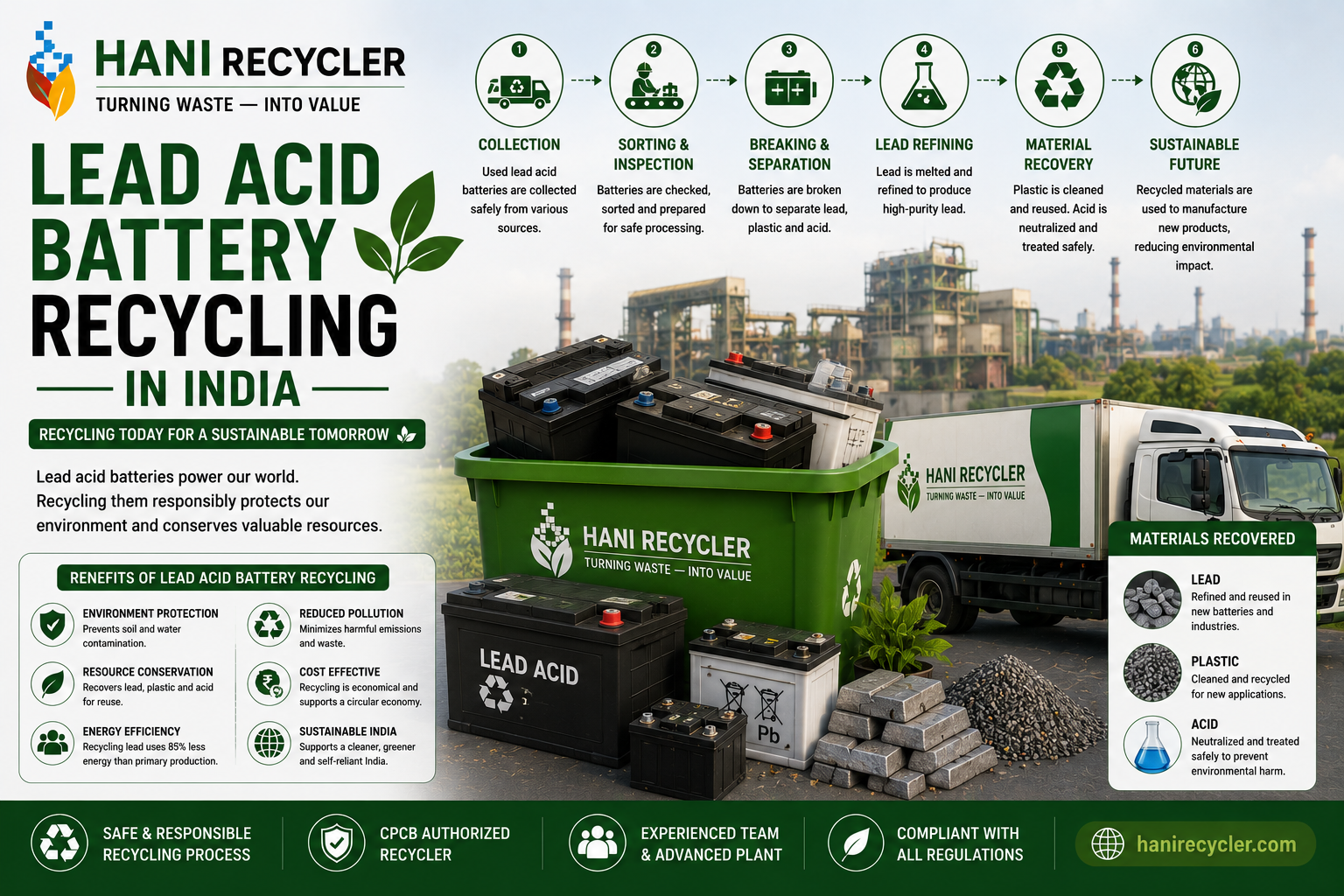
There is a good chance you have a lead acid battery somewhere in your life right now. Maybe it is powering your home inverter, sitting under the bonnet of your car, or keeping your office UPS running. Lead acid batteries are everywhere in India — they have been for decades. They are reliable, affordable, and they do their job well. But what happens when they stop working? That is the...
Reliable taxi service in Thane offering local and outstation rides with sanitized cars, experienced drivers, easy booking, and affordable pricing.
