Can chemical peels treat melasma effectively?
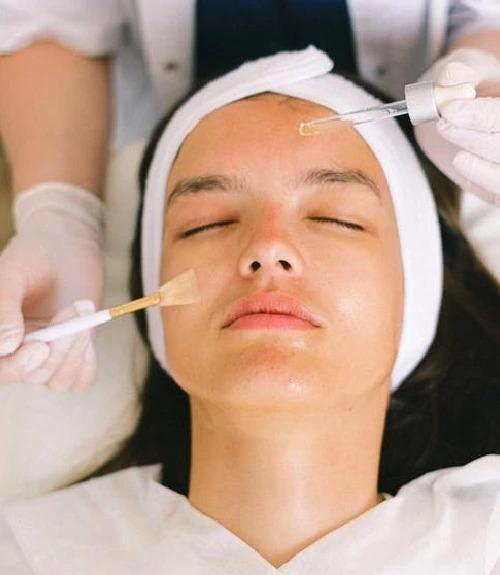
Melasma is a common skin condition characterized by dark, discolored patches on the face. It often appears on the cheeks, forehead, upper lip, and nose. While melasma is not harmful, it can affect confidence and self-esteem due to its visible nature. Many individuals search for effective treatments that can lighten these stubborn pigmentation spots. Among the various options, chemical peels have gained popularity for their ability to rejuvenate skin and improve uneven pigmentation. Clinics offering Chemical Peels in Islamabad are seeing growing interest from patients seeking solutions to melasma.In this article, we will explore how chemical peels work for melasma, their effectiveness, safety considerations, and alternatives, helping you make an informed decision about your skin care journey.
What is a Chemical Peel?
A chemical peel is a dermatological treatment where a solution is applied to the skin to remove damaged outer layers. The process promotes exfoliation, encouraging the growth of new, healthier skin. Peels vary in strength, from superficial to deep, depending on the ingredients and the desired results.
-
Superficial peels: Mild acids like glycolic or lactic acid. Ideal for mild pigmentation and overall skin refreshment.
-
Medium peels: Usually contain trichloroacetic acid (TCA), targeting deeper pigmentation and fine lines.
-
Deep peels: Phenol-based, used for severe skin damage but require longer recovery.
For melasma treatment, dermatologists typically recommend superficial or medium peels, as deeper peels can increase the risk of post-inflammatory hyperpigmentation.
How Do Chemical Peels Work for Melasma?
Melasma occurs due to an overproduction of melanin in certain areas of the skin. Chemical peels work by removing the top layers of skin, where excess melanin is concentrated. This process helps:
-
Exfoliate dead skin cells – Clearing away pigmented cells reduces visible dark spots.
-
Stimulate skin regeneration – Encourages the growth of fresh skin cells with more even tone.
-
Enhance absorption of topical treatments – Post-peel skin can better absorb creams containing hydroquinone, retinoids, or vitamin C.
While chemical peels can lighten melasma, the results are gradual and usually require multiple sessions for optimal improvement.
Are Chemical Peels Effective for Everyone?
Effectiveness varies depending on several factors:
-
Skin type: Lighter skin types often respond faster, while darker skin types may require more caution to avoid hyperpigmentation.
-
Melasma type: Epidermal melasma responds best to peels; dermal melasma may be more resistant.
-
Consistency: Multiple sessions combined with sun protection and topical therapies enhance results.
It’s important to manage expectations: chemical peels lighten melasma but may not eliminate it entirely. Maintenance treatments and lifestyle adjustments, especially sun protection, are crucial.
Types of Chemical Peels Used for Melasma
Here’s a breakdown of commonly used peels for melasma:
1. Glycolic Acid Peel
Derived from sugarcane, glycolic acid is a mild alpha-hydroxy acid (AHA) that exfoliates the skin surface. It is suitable for sensitive skin and is often the first choice for treating mild melasma.
2. Salicylic Acid Peel
Salicylic acid is a beta-hydroxy acid (BHA) that penetrates oil glands, making it ideal for acne-prone skin with pigmentation. It helps in reducing surface discoloration and improving skin texture.
3. Trichloroacetic Acid (TCA) Peel
TCA is a medium-depth peel effective for moderate melasma. It targets deeper layers of skin, promoting significant pigment reduction. Careful application is essential to prevent adverse effects.
4. Jessner’s Peel
A combination of lactic acid, salicylic acid, and resorcinol, Jessner’s peel is used for more stubborn pigmentation. It offers a controlled exfoliation and improves overall skin tone.
Comparison of Chemical Peels for Melasma
| Type of Peel | Depth | Ideal For | Number of Sessions | Downtime |
|---|---|---|---|---|
| Glycolic Acid | Superficial | Mild melasma, sensitive skin | 4–6 sessions | Minimal |
| Salicylic Acid | Superficial | Pigmented, oily skin | 4–6 sessions | 1–2 days |
| TCA Peel | Medium | Moderate melasma | 2–4 sessions | 3–7 days |
| Jessner’s Peel | Superficial to medium | Stubborn pigmentation | 3–5 sessions | 2–5 days |
This table highlights how different peels vary in depth, suitability, and recovery time. Dermatologists often tailor treatments based on skin type and severity of melasma.
How to Prepare for a Chemical Peel
Preparation is key to achieving the best results:
-
Consult a dermatologist – Discuss your skin type, medical history, and goals.
-
Pre-peel regimen – Your doctor may recommend topical creams like retinoids or hydroquinone for 2–4 weeks before the peel.
-
Sun protection – Avoid sun exposure and use sunscreen regularly.
-
Avoid certain medications – Blood thinners and exfoliating products may need to be paused.
Proper preparation reduces the risk of complications and enhances the effectiveness of the peel.
What to Expect During and After the Treatment
During a chemical peel session:
-
The skin is cleansed thoroughly.
-
The chosen chemical solution is applied evenly to the affected areas.
-
You may feel tingling, warmth, or mild stinging.
-
After a few minutes, the peel is neutralized (for most superficial and medium peels).
Post-treatment care includes:
-
Avoiding direct sun exposure.
-
Using gentle cleansers and moisturizers.
-
Refraining from picking or scrubbing the peeling skin.
-
Applying sunscreen diligently to prevent recurrence.
Mild redness, flaking, and temporary sensitivity are normal and typically subside within a week.
Reviews: Real Experiences with Chemical Peels
"I tried glycolic acid peels at a local clinic, and after four sessions, my melasma patches noticeably faded. The process was painless, and my skin feels smoother than ever."
"TCA peels worked wonders for my stubborn forehead pigmentation. The dermatologist guided me through pre- and post-care, and now my skin tone is much more even."
"I combined Jessner’s peel with topical creams. It took a few sessions, but the results are impressive. Sun protection is key to maintaining these results."
These experiences highlight that while results vary, chemical peels can significantly improve melasma with proper guidance and follow-up.
Are There Any Risks or Side Effects?
While chemical peels are generally safe, potential side effects include:
-
Redness and irritation
-
Peeling or flaking
-
Temporary darkening or lightening of the skin
-
Rarely, scarring or infection
Patients with darker skin tones or sensitive skin should consult experienced dermatologists to minimize the risk of post-inflammatory hyperpigmentation. Always choose a licensed clinic offering Chemical Peels in Islamabad with a strong reputation for safety.
Alternatives and Complementary Treatments for Melasma
If chemical peels alone are insufficient, other treatments can be combined or considered:
-
Topical creams – Hydroquinone, retinoids, and vitamin C serums lighten pigmentation.
-
Laser therapy – Fractional lasers or Q-switched lasers target deeper pigmentation.
-
Microneedling – Stimulates collagen production and improves skin tone.
-
Sun protection – Broad-spectrum SPF 30+ sunscreen is essential for all melasma treatments.
A multi-pronged approach often provides the best long-term results.
How to Maintain Results After a Chemical Peel
Long-term maintenance is crucial because melasma can recur. Follow these tips:
-
Use sunscreen daily, even indoors.
-
Avoid excessive sun exposure and tanning beds.
-
Continue topical treatments as recommended by your dermatologist.
-
Schedule periodic maintenance peels if needed.
Consistency is the key to keeping melasma under control and maintaining an even skin tone.
Choosing the Right Clinic in Islamabad
Selecting the right clinic ensures safety and effectiveness:
-
Look for licensed dermatologists or skin care specialists.
-
Check reviews and before-and-after photos of previous patients.
-
Ensure they offer a variety of chemical peels tailored to skin type.
-
Ask about pre- and post-treatment care.
Chemical Peels in Islamabad are widely available, but expertise and experience make the difference between satisfactory and exceptional results.
Contact Us
If you’re struggling with melasma and want a professional solution, our clinic provides personalized consultations and advanced chemical peel treatments. Our dermatologists will guide you through the best options for your skin type, ensuring safe and effective results.Call us today or book an appointment online to start your journey toward clearer, brighter skin. Your skin deserves expert care, and we are here to help you achieve it safely and confidently.
Address : Office Number LG 20 - 21 Interlace Plaza I-8 Markaz Islamabad
Phone : +92 333 5705871
Email : info@glamorousclinic.com.pk
Link : https://www.glamorousclinic.com.pk/
Категории
Больше
" According to the latest report published by Data Bridge Market Research, the Household Vacuum Cleaners Market The global household vacuum cleaners market size was valued at USD 6.88 billion in 2024 and is expected to reach USD 9.95 billion by 2032, at a CAGR of 4.73% during the forecast period The Household Vacuum Cleaners Market report not only benefits to save valuable time...

Online gaming and betting platforms continue to grow rapidly in 2026, and one name that has started gaining attention among users is Skyexchange Art. Many users are searching for a platform that offers smooth performance, multiple gaming options, quick access, and an easy-to-use interface. Skyexchange Art aims to provide all of these features in one place. In this detailed review, we will...
Relocating furniture in a fast-growing city like Bangalore, also known as Bengaluru, can be a challenging task. Whether you are moving to a new home, shifting your office, or simply rearranging your space, handling bulky and delicate furniture requires proper planning and expertise. This is where professional furniture shifting services in Bangalore become essential, offering safe and efficient...

Introduction to Joga Bonito Promo With the Thunderstruck promo wrapping up, it’s time to welcome a fresh wave of excitement with the arrival of Joga Bonito. This new event injects samba flair into Football Ultimate Team, introducing upgraded skill moves for a selection of current players and Heroes, allowing them to showcase their full creative potential on the pitch. Joga Bonito...
"Global Executive Summary Automotive Battery Management System Market: Size, Share, and Forecast CAGR Value Global automotive battery management system market size was valued at USD 7.50 billion in 2024 and is projected to reach USD 20.22 billion by 2032, with a CAGR of 13.20% during the forecast period of 2025 to 2032. Keeping into consideration the customer requirement, this Automotive...