


Personalized Motivation Tactics: Motivate Employees by Personality

Every employee has unique drivers that influence their performance, engagement, and satisfaction. Leaders who know how to motivate employees by personality can implement personalized tactics that inspire higher productivity, strengthen loyalty, and create a thriving workplace. Understanding individual motivations allows managers to unlock potential and achieve sustainable results.
Recognizing Personality Types in the Workplace
The first step in personalized motivation is understanding employee personality types. Tools like Myers-Briggs, DISC, and the Big Five provide insights into how individuals approach tasks, collaborate with colleagues, and respond to leadership. Extroverted employees may excel in team-oriented projects, while introverted employees often perform best with focused, independent work. Recognizing these personality traits allows managers to design motivation strategies that resonate personally with each employee.
Aligning Rewards to Individual Preferences
Motivation is most effective when rewards match personal preferences. Some employees respond strongly to monetary incentives, while others are inspired by recognition, growth opportunities, or skill-building programs. Employees who value acknowledgment may respond positively to awards, public praise, or project leadership roles. Those who prioritize personal growth may prefer mentorship, workshops, or challenging assignments. Aligning rewards with personality ensures employees feel valued and motivated.
Tailoring Communication Approaches
Effective communication is a critical component of motivation. Employees have different preferences for receiving guidance and feedback. Some respond best to concise, direct instructions, while others prefer detailed explanations and collaborative discussions. Adapting communication styles to individual personality traits fosters trust, engagement, and clarity. Personalized communication ensures employees feel understood and confident in their work.
Enhancing Team Collaboration
Team success is amplified when managers understand personality dynamics. High-performing teams often combine complementary personalities that balance creativity, analytical thinking, and execution. Pairing imaginative thinkers with detail-oriented employees generates innovative solutions while maintaining efficiency. Assigning responsibilities according to personality strengths ensures that each team member contributes effectively, boosting engagement and overall performance.
Goal Setting That Fits Personality
Goal-setting is a powerful motivator when tailored to personality traits. Highly ambitious and competitive employees thrive on challenging objectives with measurable KPIs, while employees who prefer stability may perform better with incremental goals and regular progress tracking. Aligning goals with personality increases accountability, focus, and sustained motivation, encouraging employees to reach their full potential.
Providing Consistent Feedback and Recognition
Continuous feedback and recognition are essential for maintaining motivation. Some employees prefer frequent, informal check-ins, while others respond better to structured reviews. Recognition should be timely, relevant, and personalized, delivered through public acknowledgment, private praise, or developmental opportunities. Personalized feedback reinforces positive behavior and strengthens engagement across the workforce.
Leadership Flexibility and Adaptation
Effective leaders adapt their strategies to fit employee personalities. By understanding individual traits, managers can assign tasks, provide guidance, and offer support in ways that maximize motivation. Flexible leadership fosters trust, encourages initiative, and empowers employees to perform at their highest potential. Personalized leadership strategies build a loyal, engaged, and high-performing team.
Creating a Culture of Personalized Motivation
Organizations that prioritize personality-driven motivation foster a culture of respect, collaboration, and recognition. Encouraging employees to understand and appreciate personality differences enhances teamwork, reduces conflicts, and increases engagement. A workplace culture that values individuality and personalized motivation strategies strengthens retention, boosts productivity, and drives long-term success.
Monitoring and Adjusting Motivation Techniques
Personality-driven motivation requires continuous evaluation. Managers should regularly assess engagement, satisfaction, and performance to ensure strategies remain effective. Employee needs and circumstances evolve, so motivation techniques must adapt over time. Continuous monitoring ensures employees remain inspired, productive, and committed to organizational goals.
Important Information From This Blog
Implementing personalized motivation tactics is an ongoing process that requires observation, consistency, and flexibility. Leaders should understand employee personality traits, align rewards, adapt communication, and set goals tailored to each individual. When executed effectively, these strategies enhance engagement, improve performance, and cultivate a positive workplace culture. Focusing on motivating employees by personality unlocks potential, strengthens retention, and ensures sustainable success.
At BusinessInfoPro, we empower entrepreneurs, small businesses, and professionals with actionable insights, strategies, and tools to fuel growth. By simplifying complex ideas in business, marketing, and operations, we help you turn challenges into opportunities and navigate today’s dynamic market with confidence. Your success is our mission because when you grow, we grow.
Categorie
Leggi tutto
Dans l’univers des crypto casinos, les bonus jouent un rôle essentiel pour attirer de nouveaux joueurs et fidéliser les utilisateurs existants. Grâce à la popularité croissante des cryptomonnaies, les opérateurs disposent aujourd’hui de nouvelles possibilités pour proposer des promotions plus attractives et plus innovantes que celles...

"Citronellol Market Summary: According to the latest report published by Data Bridge Market Research, the Citronellol Market The global citronellol market size was valued at USD 1.51 billion in 2024 and is expected to reach USD 2.06 billion by 2032, at a CAGR of 3.95% during the forecast period Citronellol Market research report has been structured....
The aviation industry in India is growing rapidly, creating strong demand for well-trained and qualified pilots. Many aspiring aviators dream of flying for major airlines, but achieving that goal requires proper training, theoretical knowledge, and flight experience. Choosing the right training institute is the first and most important step toward a successful aviation career. If you are...
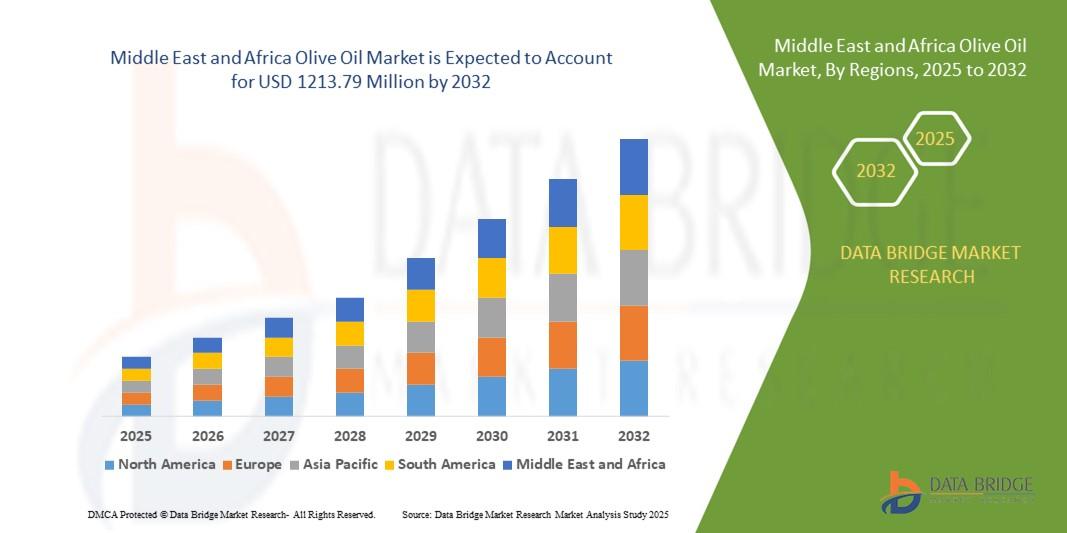
"Market Trends Shaping Executive Summary Middle East and Africa Olive Oil Market Size and Share CAGR Value The Middle East and Africa olive oil market size was valued at USD 834.17 million in 2024 and is expected to reach USD 1213.79 million by 2032, at a CAGR of 4.8% during the forecast period The Middle East and Africa Olive Oil Market report...
" According to the latest report published by Data Bridge Market Research, the Asia-Pacific Vertical Farming Market The Asia-Pacific vertical farming market will grow at a CAGR of 27.5% during the forecast period of 2023 to 2030. Credible Asia-Pacific Vertical Farming Market business report comprises of fundamental, secondary and advanced information related to the global...