Capacitor Bank Market to Reach US$ 5.5 Bn by 2034 as Renewable Energy Expansion and Grid Modernization Drive Demand

The global Capacitor Bank Market is witnessing steady growth as power utilities and industries increasingly focus on improving power quality, enhancing grid stability, and supporting renewable energy integration. Capacitor banks play a vital role in electrical power systems by storing electrical energy and providing reactive power compensation, which improves the overall efficiency of power distribution networks.
According to industry analysis, the global capacitor bank market was valued at US$ 3.6 Bn in 2023 and is projected to reach US$ 5.5 Bn by the end of 2034, expanding at a compound annual growth rate (CAGR) of 4.1% from 2024 to 2034. The market growth is primarily driven by the rapid expansion of renewable energy projects and the increasing need to upgrade aging electrical infrastructure worldwide.
Analyst Viewpoint
Analysts highlight that the rising adoption of renewable energy sources such as solar and wind power is significantly boosting the demand for capacitor banks. Renewable energy generation often creates fluctuations in voltage and power factor within the grid. Capacitor banks help mitigate these issues by providing reactive power compensation, improving system efficiency, and reducing power losses.
In addition, aging grid infrastructure across several regions is encouraging utilities to adopt advanced electrical components, including capacitor banks. As legacy power systems struggle to handle the integration of modern technologies and distributed energy resources, capacitor banks offer an effective solution to maintain voltage stability and improve system reliability.
Leading manufacturers are also introducing tuned-filter capacitor banks, which combine reactive energy compensation with inductors that suppress harmonic currents and prevent resonance. These innovations are expected to further enhance the performance and reliability of electrical networks.
Market Introduction
A capacitor bank is a collection of multiple capacitors with similar ratings connected either in series or parallel to store electrical energy within a power system. These systems are widely used to improve the power factor of electrical networks and ensure efficient transmission and distribution of electricity.
Power factor represents the ratio of working power to apparent power in an electrical system. A low power factor indicates inefficient utilization of electrical power. Capacitor banks correct this by compensating for reactive power and reducing phase shifts in alternating current (AC) systems. As a result, they improve the efficiency of energy transmission and help reduce electricity losses.
Capacitor banks are often referred to as power factor correction banks because they help utilities and industries maintain optimal power quality and reduce operational costs.
Types of Capacitor Banks
The capacitor bank market offers several power factor correction solutions depending on system requirements and voltage levels.
Internally fused capacitor banks consist of capacitor units connected in series and parallel arrangements based on the bank’s rating. These systems can continue to operate effectively even if one or more capacitor elements fail, making them highly reliable for critical power systems.
Externally fused capacitor banks are configured using one or more series groups of parallel-connected capacitor units for each phase. Typically, the capacitor unit rating ranges between 50 KVAR and 40 KVAR, depending on application requirements.
Fuseless capacitor banks are designed with strings of series-connected capacitor units. In high-voltage systems, a larger number of capacitor elements are connected in series to withstand increased voltage levels.
Recent technological innovations in capacitor banks include self-healing capacitors, extended metalized foils, and solderless connections. Self-healing capacitors can automatically restore functionality in case of dielectric faults, while extended foil designs help reduce inductance, enhancing system efficiency and reliability.
Rise in Renewable Energy Generation Boosting Market Demand
The growing deployment of renewable energy systems is one of the major factors driving the capacitor bank market. Solar and wind power plants rely heavily on capacitor banks to stabilize voltage and improve the efficiency of power conversion systems.
In the solar power sector, capacitor banks provide reactive power to compensate for lagging currents generated by inductive loads within photovoltaic (PV) plants. This process significantly improves the power factor and ensures efficient energy transfer within the electrical grid.
According to the Federal Energy Regulatory Commission (FERC), solar energy accounted for 49.3% of new electricity generating capacity in the United States in 2023, making it the leading source of new power installations. This surge in solar energy deployment is creating significant opportunities for capacitor bank manufacturers.
Similarly, capacitor banks play a critical role in wind energy conversion systems. In wind turbines, capacitor banks are connected across stator terminals of induction generators to supply reactive power to both the generator and the load.
The global wind power sector is also expanding rapidly. According to the International Energy Agency (IEA), the total installed wind energy capacity worldwide reached approximately 900 GW in 2022, with 93% installed in onshore systems and the remaining 7% in offshore wind farms. The continuous growth of wind energy installations is expected to drive strong demand for capacitor banks in the coming years.
Aging Grid Infrastructure Propelling Market Growth
Another major driver of the capacitor bank market is the aging power grid infrastructure in several countries. Many electricity transmission and distribution networks were built decades ago and now struggle to accommodate modern energy demands and renewable energy integration.
Older grids often experience issues such as voltage drops, power losses, and instability. Installing capacitor banks in distribution networks helps mitigate these problems by improving voltage regulation and reducing reactive power losses.
Governments and utilities worldwide are investing heavily in grid modernization and maintenance programs to address these challenges. For instance, in 2023, Svenska kraftnät, Sweden’s national transmission system operator, commissioned engineering consultancy Sweco to review and upgrade the country’s electricity transmission grid. Similar initiatives across various regions are expected to create significant demand for capacitor banks.
Regional Outlook
Asia Pacific held the largest share of the capacitor bank market in 2023, driven by rapid industrialization, increasing electricity demand, and significant investments in renewable energy projects.
The region is witnessing a surge in solar power installations. For example, India installed approximately 17.4 GW of solar capacity in 2022, representing a 23% increase from 14.2 GW in 2021, according to SolarPower Europe. Rooftop solar installations accounted for nearly 28% of the total annual additions, or around 4.9 GW.
Meanwhile, China added nearly 100 GW of solar capacity in 2022, further strengthening the region’s dominance in renewable energy development. As renewable installations continue to grow, the demand for capacitor banks to support grid stability is expected to increase significantly across Asia Pacific.
Competitive Landscape
The global capacitor bank market features a competitive landscape with several international manufacturers focusing on product innovation, strategic partnerships, and portfolio expansion.
Major companies operating in the market include Eaton, COMAR Condensatori S.p.A., ABB, Enerlux Power s.r.l., Hitachi Ltd., Circutor, Vishay Intertechnology Inc., TDK Electronics AG, Schneider Electric, GE Vernova, and Nissin Electric Co., Ltd.
These companies are actively investing in research and development to introduce advanced capacitor bank technologies that improve power quality and enhance grid performance.
Key Developments
Several key product innovations have been introduced recently in the capacitor bank industry.
In February 2024, Canada-based electrical equipment manufacturer Powerside launched Pole-MVar, a compact tuned-filter capacitor bank designed to address harmonic distortion and resonance issues in pole-mounted distribution networks.
In 2023, Kyocera AVX introduced a new series of high-capacity supercapacitor banks featuring low leakage current. These products are lead-free, RoHS compliant, and designed to meet UL 810A standards for electrochemical capacitors, making them suitable for modern electrical applications.
Conclusion
The global capacitor bank market is expected to experience stable growth over the next decade, supported by increasing renewable energy deployment, grid modernization initiatives, and rising electricity demand. As utilities and industries continue to focus on improving power efficiency and system reliability, capacitor banks will remain an essential component of modern electrical infrastructure.
Technological advancements such as self-healing capacitors, tuned-filter capacitor banks, and high-capacity supercapacitor solutions are further strengthening the market outlook, positioning capacitor banks as a key enabler of future smart and sustainable power systems.
Κατηγορίες
Διαβάζω περισσότερα
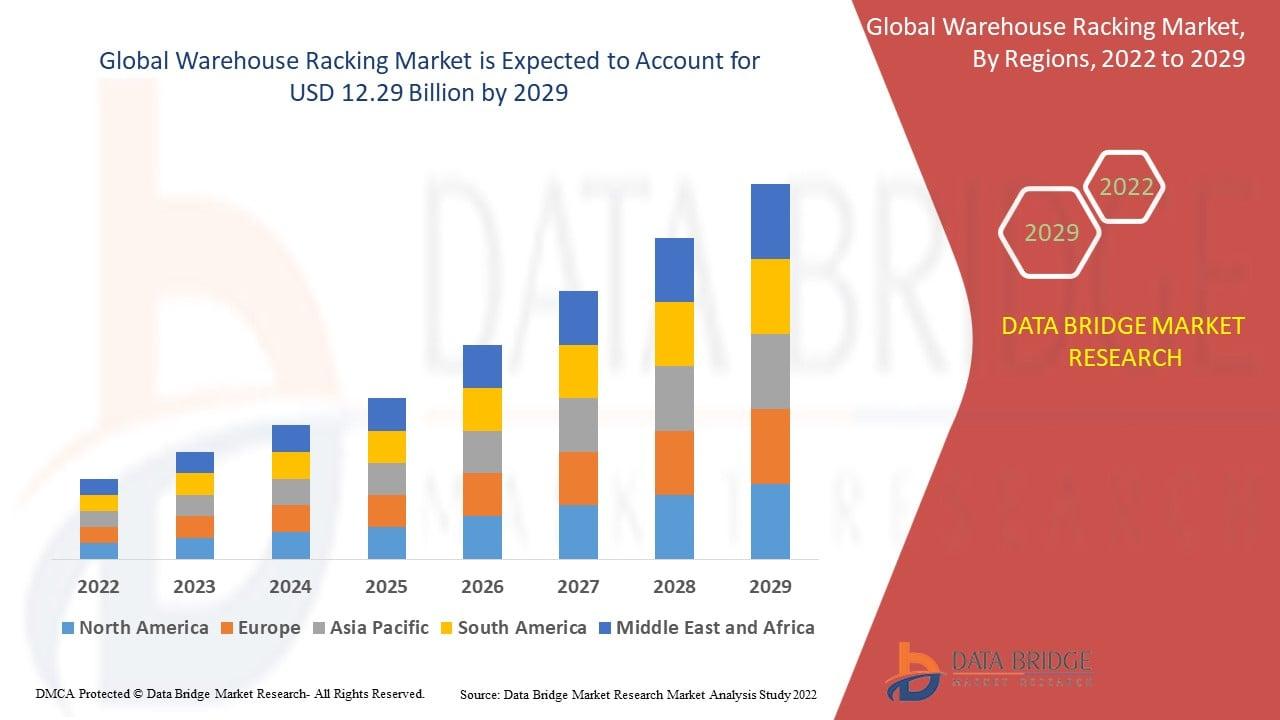
" According to the latest report published by Data Bridge Market Research, the Warehouse Racking Market CAGR Value The global warehouse racking market size was valued at USD 9.60 billion in 2024 and is projected to reach USD 13.90 billion by 2032, with a CAGR of 4.20% during the forecast period of 2025 to 2032 A number of aspects that are kept into view while creating an outstanding...
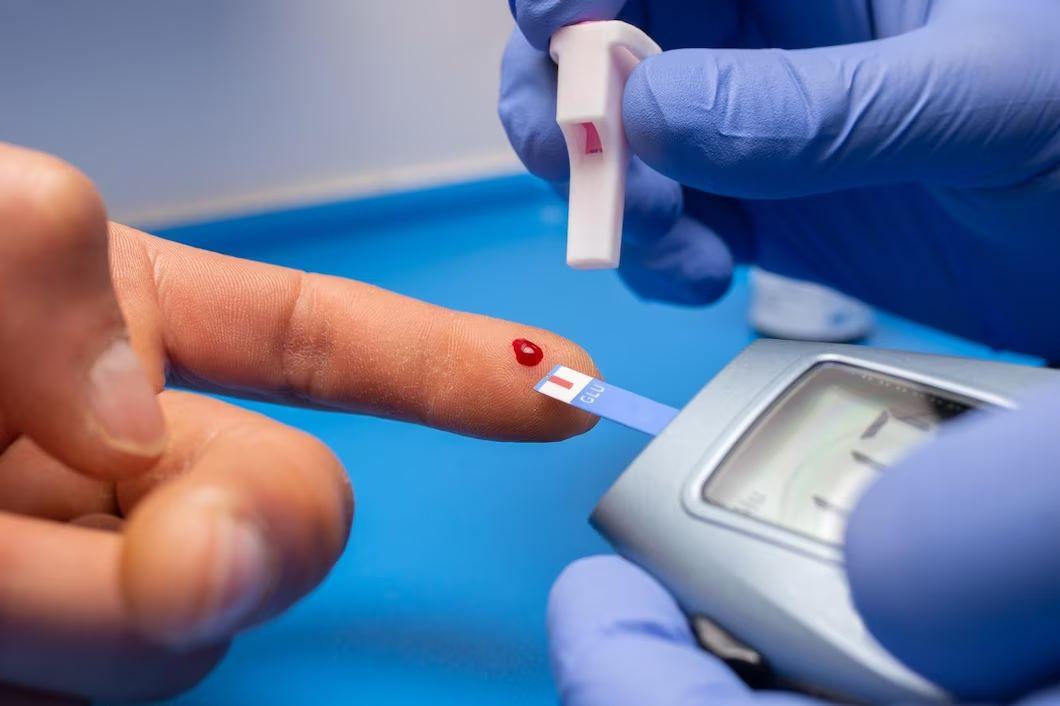
Blood sugar health is one of the most important aspects of overall wellness because it directly affects energy levels, metabolism, brain function, and long-term health. Glucose is the body’s main source of energy, but when blood sugar levels become unstable, it can lead to fatigue, cravings, weight gain, mood swings, and serious health complications over time. In today’s...
Jewellery Design: A Complete Guide to Style, Elegance, and Online Shopping Introduction Have you ever noticed how a piece of jewellery can completely transform your look? A simple outfit can look royal when paired with the right jewellery set. Jewellery design isn’t just about gold, silver, or diamonds—it’s about self-expression, culture, and creativity. And in today’s...

India , Pune – The Insight Partners has released a comprehensive report titled “Cell and Gene Therapy Contract Development and Manufacturing Organization Market Share, Size, Trends, and Forecast by 2031. The cell and gene therapy contract development and manufacturing organization (CDMO) market is emerging as a cornerstone of innovation within the biopharmaceutical...

The online gambling ecosystem has matured, but advertising within it has become more complex than ever. Regulatory oversight is tightening. Traffic costs fluctuate weekly. Moderation filters are increasingly strict. In this environment, launching and scaling Casino PPC Campaigns requires more than keyword bidding and creative rotation. It demands structure, diversification, and disciplined...