Top Applications of an Edge Finder in Precision Machining
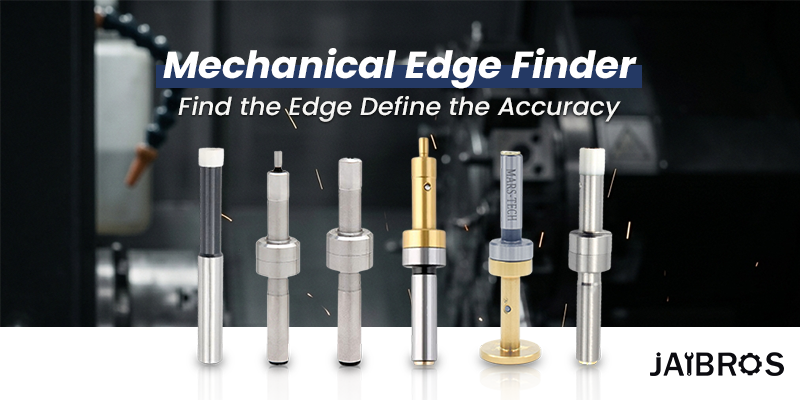
Discover top applications of edge finder in precision machining. Learn how machinists use edge finder tools for accurate workpiece alignment and CNC setup.
How Edge Finders Improve Accuracy in Precision Machining
Precision is the backbone of modern machining. Whether it is CNC machining, milling, or metalworking, even a small alignment error can lead to defective parts and wasted material. That is why machinists rely on accurate tools to determine the exact position of a workpiece before starting the cutting process. One such essential device is the edge finder, a simple yet highly effective tool used to locate the edges of a workpiece with great accuracy.
In milling machines and CNC setups, locating the exact starting point is critical for maintaining tight tolerances and ensuring proper alignment. With the help of this tool, machinists can quickly determine reference points and improve overall productivity. This article explores the major applications of this precision device in machining and why it continues to play an important role in modern manufacturing.
Understanding the Role of an Edge Finder in Machining
Before diving into its applications, it is important to understand what this tool actually does. An edge finder is a precision instrument used to locate the exact edge or center of a workpiece. It is typically mounted in the spindle of a milling machine and rotates at a specific speed. As the rotating tip touches the workpiece, it indicates the exact point where the edge is located.
The working mechanism usually involves a spring-loaded tip. The edge finder spring allows the tip to move slightly when contact is made with the material. This movement helps machinists visually detect the point of contact, enabling them to set the machine’s coordinates accurately.
Modern workshops may also use advanced versions, such as the digital edge finder, which provides electronic signals or visual indicators to improve accuracy and reduce setup time.
Ensuring Accurate Workpiece Alignment
One of the most common uses of an edge finder is aligning a workpiece before machining begins. Accurate alignment ensures that the cutting tool starts at the correct position and follows the programmed path without deviation.
When machinists place a metal block or component on the milling table, they must determine the exact location of its edges. By carefully moving the rotating tip of the device toward the surface, they can identify the precise edge location. Once the contact point is known, the machine coordinates can be adjusted accordingly.
This process is especially important in industries where tight tolerances are required, such as aerospace, automotive, and precision tool manufacturing.
Setting Machine Zero Point
Another major application of an edge finder is setting the machine’s zero reference point. In CNC machining, every operation starts from a predefined coordinate system. If the zero point is incorrect, the entire machining process can be affected.
Machinists use the edge finder tool to locate the edges of the workpiece and determine its exact position relative to the machine table. After identifying the edge, they offset the radius of the tool and set the machine’s zero coordinate accurately.
This simple yet effective technique ensures that the CNC program runs correctly and produces parts that match the design specifications.
Locating the Center of a Workpiece
In many machining operations, the center of a component must be located before drilling or boring begins. This is particularly common when working with round or symmetrical parts.
Machinists use an edge finder to locate two opposite edges of the material. By measuring the distance between these edges, they can calculate the midpoint and identify the exact center of the workpiece.
This method is widely used in manufacturing processes that involve hole drilling, tapping, or boring operations, where precision is extremely important.
Improving CNC Machining Setup Efficiency
Efficient machine setup is crucial for maintaining productivity in modern manufacturing environments. An edge finder helps reduce setup time by allowing machinists to quickly locate reference points on a workpiece.
Instead of relying on manual measurements or trial-and-error methods, operators can use the rotating tip to determine edge positions within seconds. This not only saves time but also minimizes the risk of human error.
For workshops that handle multiple setups daily, the ability to quickly establish accurate reference points can significantly improve overall production efficiency.
Supporting Complex Milling Operations
Complex milling operations often require multiple reference points on a workpiece. These operations may involve contour milling, pocket machining, or precision slot cutting.
An edge finder allows machinists to establish accurate starting points for each operation. Once the edges and reference coordinates are identified, the machine can perform complex movements with confidence.
The reliability of this tool makes it an essential component of many milling setups, especially when dealing with intricate designs or multi-axis machining processes.
Assisting in Tool and Fixture Alignment
Fixtures and clamps are commonly used to hold workpieces securely during machining. However, these fixtures must also be properly aligned to ensure accurate cutting.
The edge finder tool helps machinists verify the alignment of fixtures relative to the machine spindle. By checking the edges of the fixture or clamping surface, operators can confirm that everything is positioned correctly before starting the machining process.
This practice prevents misalignment issues that could otherwise result in dimensional errors or damaged components.
Applications in Precision Engineering Industries
Precision engineering industries rely heavily on accurate measurement and alignment tools. Aerospace manufacturing, medical device production, and high-performance automotive parts all require extremely tight tolerances.
Tools such as the digital edge finder have become popular in these industries because they offer improved accuracy and faster readings compared to traditional mechanical models.
Despite technological advancements, the basic principle of the edge finder spring mechanism remains widely trusted due to its simplicity and reliability.
Enhancing Machining Accuracy and Consistency
Consistency is one of the most important factors in manufacturing. When producing large batches of identical parts, every component must match the same dimensions and specifications.
By using an edge finder during the setup stage, machinists can ensure that each workpiece begins from the same reference point. This consistency improves machining accuracy and reduces the chances of defects or rework.
Even in automated CNC environments, proper initial alignment remains essential for maintaining quality standards.
The Continued Importance of Edge Finding Tools
Although modern CNC machines come equipped with advanced probes and sensors, traditional tools still play an important role in many workshops. They are cost-effective, easy to use, and highly reliable.
The combination of mechanical designs and modern electronic versions allows machinists to choose the right solution based on their specific needs. Whether using a manual tool or a digital version, the goal remains the same: locating edges quickly and accurately.
Because of this reliability, the edge finder continues to be a fundamental tool in machining operations around the world.
FAQs
1. What is an edge finder used for in machining?
An edge finder is used to locate the exact edge of a workpiece so that machinists can set accurate machine coordinates before starting machining operations.
2. How does an edge finder tool work?
The edge finder tool rotates in the machine spindle. When the tip touches the workpiece, it shifts slightly, indicating the precise point of contact and helping determine the edge location.
3. What is the purpose of the edge finder spring?
The edge finder spring allows the tip of the tool to move slightly when it touches the workpiece. This movement helps machinists detect the contact point accurately.
4. What is a digital edge finder?
A digital edge finder is an electronic version of the tool that provides visual or electronic signals when contact is made with the workpiece, improving accuracy and efficiency.
5. Why is edge finding important in CNC machining?
Edge finding helps establish accurate reference points, ensuring the CNC machine follows the correct coordinates and produces precise parts.
About Jaibros
Jaibros is a trusted supplier of high-quality industrial tools and machining accessories in India. The company offers a wide range of precision tools designed for CNC machining, milling, and metalworking applications. With a strong focus on quality and reliability, Jaibros provides tools that help machinists achieve accurate results and improve workshop productivity. Whether you need cutting tools, measuring instruments, or machining accessories, Jaibros delivers dependable solutions for modern manufacturing industries.
Conclusion
Precision machining depends heavily on accurate setup and alignment, and that is where an edge finder becomes extremely valuable. From locating workpiece edges to setting machine zero points and improving CNC setup efficiency, this tool plays a vital role in achieving precise machining results. Whether machinists use a traditional edge finder tool or a modern digital edge finder, the goal remains the same—ensuring accurate positioning and consistent production quality. As manufacturing industries continue to demand tighter tolerances and higher productivity, reliable tools like these will remain essential for maintaining precision and efficiency in machining operations.
Categories
Read More
The global silica market, valued at USD 40.23 billion in 2024, is projected to expand at a compounded annual growth rate (CAGR) of 9.5% through 2034, driven by robust industrial demand and infrastructure development worldwide. However, the pace and nature of this growth are far from uniform—regional disparities in regulatory frameworks, manufacturing capabilities, and supply chain...

NEWARK, Del., USA | May 19, 2026 — According to Future Market Insights (FMI), the global hydrotreated vegetable oil market is witnessing rapid expansion, supported by strong renewable fuel mandates, increasing sustainable aviation fuel (SAF) adoption, and growing investment in refinery conversion projects worldwide. The market is also benefiting from rising demand for low-carbon...

The almond drink market is becoming increasingly competitive as it gains a larger share of the overall beverage industry. This shift is driven by the growing consumer demand for plant-based alternatives and the health benefits associated with almond drinks. Increasing Almond Drink Market Share is indicative of a broader trend towards plant-based nutrition, with almond-based...

Vision health has become increasingly important in today's digital world. Many people spend hours every day looking at computer screens, smartphones, tablets, and televisions. As screen time continues to rise, concerns about eye strain, focus, and long-term vision wellness have also increased. Because of these challenges, many adults are searching for nutritional supplements that support eye...

House cleaning services in Edmonton. Take Time Commercial cleaning services Edmonton offers reliable house cleaning services to meet your needs. Award winning cleaners! Keeping your home clean and organized can be challenging when life gets busy. That’s why homeowners trust Take Time Home Cleaning for dependable and professional house cleaning services in Edmonton. Our...