


Sunset in Jerusalem: Where Light, History, and Spirit Converge
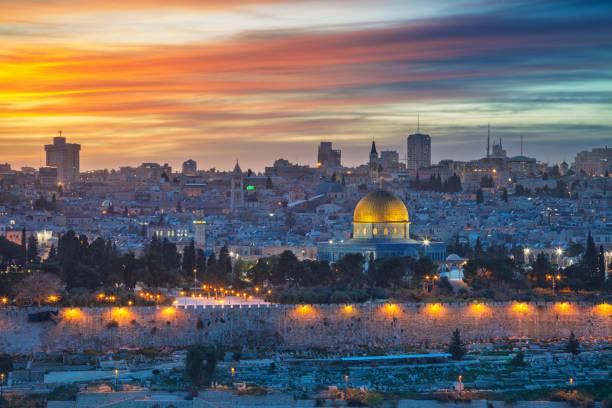
Sunset in Jerusalem is not merely a daily event; it is a profound transformation that touches history, faith, architecture, and emotion all at once. As the sun lowers behind the hills of Judea, the city enters a liminal moment where centuries seem to overlap. Stone walls glow with warm hues, prayers echo through ancient streets, and the sky becomes a canvas of gold, rose, and violet. This daily spectacle is one of the most compelling reasons travelers, pilgrims, artists, and thinkers are drawn to Jerusalem time and again. In this article, we explore the meaning, beauty, and experience of sunset in Jerusalem in depth, revealing why this moment is considered one of the most moving sunsets in the world.
The Geography That Shapes Jerusalem’s Sunset
Jerusalem’s elevated position, surrounded by rolling hills and valleys, plays a vital role in shaping its sunsets. Sitting more than 700 meters above sea level, the city enjoys expansive horizons and dramatic light transitions. As the sun descends westward, it casts long shadows across rooftops, minarets, domes, and ancient walls. The limestone used throughout the city reflects sunlight in a distinctive way, giving Jerusalem its famous “golden stone” appearance. At sunset, this stone seems to ignite, creating a glowing cityscape that feels almost otherworldly.
The Golden Hour: When the City Holds Its Breath
The moments before sunset, often referred to as the golden hour, are especially enchanting in Jerusalem. Light softens and warms, smoothing the edges of buildings and streets. The city appears calmer, slower, as if pausing to acknowledge the transition from day to night. Locals finish their errands, shopkeepers begin to close their doors, and visitors instinctively look upward. The sky shifts gradually, offering a layered display of color that deepens with every passing minute.
Sunset Over the Old City: A Living Museum
The Old City of Jerusalem is one of the most powerful places on Earth to witness sunset. Enclosed within ancient walls, this compact area contains sacred sites revered by Judaism, Christianity, and Islam. As the sun sets, the Old City becomes a living museum bathed in light and shadow. The domes and towers are outlined against the sky, while narrow alleyways fill with a gentle dusk. The visual harmony of stone, sky, and silence creates a sense of timelessness that few other places can offer.
Spiritual Resonance at Day’s End
Sunset in Jerusalem carries deep spiritual meaning. For Jews, sunset marks the beginning of a new day according to the Hebrew calendar, and on Fridays it signals the arrival of Shabbat. Churches observe evening prayers, and the call to prayer resonates from minarets across the city. These overlapping traditions unfold simultaneously, creating a rare moment of shared sacred time. The convergence of faiths at sunset is not staged or symbolic; it is a lived reality that defines Jerusalem’s unique spiritual character.
Soundscapes of Sunset
As daylight fades, Jerusalem’s soundscape transforms. The hum of traffic softens, replaced by footsteps, distant voices, and prayer. Bells may ring, prayers may rise, and a hush often settles over certain areas. This auditory shift enhances the emotional impact of sunset, engaging not just the eyes but the ears and heart as well. The city feels introspective, reflective, and deeply human.
Cultural Life in the Evening Glow
Beyond its religious significance, sunset also marks the beginning of Jerusalem’s evening cultural life. Cafés light their lamps, families gather for meals, and public spaces fill with conversation. In neighborhoods beyond the Old City, sunset brings a modern rhythm that complements the ancient core. The balance between old and new becomes especially clear at this time, highlighting Jerusalem’s layered identity.
Seasonal Variations of Sunset in Jerusalem
Sunset in Jerusalem changes character with the seasons. In summer, the sun lingers longer, offering extended evenings filled with warm colors and gentle breezes. Winter sunsets are earlier and often more dramatic, with clouds adding texture and intensity to the sky. Spring and autumn bring clarity and balance, making these seasons particularly popular for visitors seeking the most photogenic sunsets. Each season offers a distinct mood, yet the emotional resonance remains constant.
Sunset as Inspiration for Art and Literature
For centuries, artists, writers, and poets have drawn inspiration from Jerusalem’s sunsets. The interplay of light and stone, the spiritual undertones, and the city’s profound history have fueled countless creative works. Sunset becomes a metaphor for continuity, endurance, and hope. Even those encountering Jerusalem for the first time often feel compelled to capture the moment, whether through photography, painting, or words.
The Emotional Impact on Visitors
Many visitors describe sunset in Jerusalem as unexpectedly emotional. Even those without religious affiliation often report feelings of awe, calm, or reflection. The combination of beauty, history, and shared human experience creates a powerful atmosphere. Sunset invites introspection, encouraging people to pause and consider their place within a larger story that spans millennia.
Everyday Life Framed by Sunset
For residents of Jerusalem, sunset is woven into daily life. It signals transitions: work to rest, weekday to weekend, public to private. Children return home, families gather, and routines shift. While the beauty of sunset is never lost on locals, it is also practical and grounding, marking time in a city where time itself feels unusually present.
Modern Jerusalem at Dusk
As night approaches, modern Jerusalem reveals itself. Lights illuminate streets and buildings, creating a contrast with the fading natural light. The city’s contemporary neighborhoods blend seamlessly with ancient areas, showing that Jerusalem is not frozen in the past but actively evolving. Sunset becomes a bridge between eras, linking ancient traditions with modern lifestyles.
The Symbolism of Light and Stone
Light and stone are central symbols in Jerusalem, and sunset brings them together in perfect harmony. The stone represents endurance and history, while the light symbolizes change and renewal. At sunset, these elements interact visibly, reminding observers of the balance between permanence and impermanence. This symbolism resonates deeply, making sunset a moment of quiet philosophical reflection.
Hospitality Near the Heart of the City
Experiencing sunset in Jerusalem is enriched by staying close to its cultural and historical core. Comfortable, well-located accommodations allow visitors to immerse themselves fully in the rhythm of the city, especially during the evening hours when Jerusalem’s character truly emerges.
A Stay at Paamonim Hotel
Paamonim Hotel offers a welcoming and refined place to stay for travelers seeking to experience Jerusalem’s sunsets from the heart of the city. Located in a vibrant area, the hotel provides easy access to both historic landmarks and modern attractions. After a day of exploration, guests can return to a calm and comfortable environment, reflecting on the sunset moments they have witnessed. The hotel’s atmosphere complements Jerusalem’s spirit, blending warmth, simplicity, and authenticity, making it an ideal base for experiencing the city’s evenings.
Sunset and Reflection: A Daily Renewal
One of the most remarkable aspects of sunset in Jerusalem is its sense of renewal. Each sunset feels unique, yet connected to all those that came before it. The city has witnessed countless sunsets across thousands of years, through joy and sorrow, peace and conflict. This continuity offers comfort and perspective, reminding observers that they are part of an ongoing human story.
Photography and Memory
Sunset is also the most photographed time in Jerusalem, yet no image can fully capture its depth. The experience is as much about atmosphere and feeling as it is about visuals. Many visitors find that the memory of the sunset stays with them long after they leave, becoming a defining image of their journey.
A Universal Moment in a Singular City
While sunsets occur everywhere, sunset in Jerusalem feels universal and singular at the same time. People from different cultures, beliefs, and backgrounds stand side by side, watching the same sky change color. In that shared moment, differences seem to fade, replaced by a collective sense of wonder.
Why Sunset in Jerusalem Is Unforgettable
What makes sunset in Jerusalem truly unforgettable is not just its beauty, but its meaning. It is a moment where history breathes, faiths converge, and humanity pauses together. The city’s landscape, sounds, and spirit align in a way that feels both intimate and vast.
Conclusion: The Last Light, the Lasting Impression
Sunset in Jerusalem is more than an end to the day; it is a beginning of reflection, connection, and quiet awe. As the final light slips behind the hills and the city prepares for night, Jerusalem reveals its soul. Whether witnessed once or many times, this moment leaves an indelible impression, inviting all who experience it to slow down, look closely, and feel deeply.
Catégories
Lire la suite
"Latest Insights on Executive Summary Vital Signs Monitoring Market Share and Size CAGR Value The global vital signs monitoring market size was valued at USD 1.02 billion in 2024 and is expected to reach USD 1.80 billion by 2032, at a CAGR of 7.30% during the forecast period This quality Vital Signs Monitoring report is structured with full commitment...

Your brain is the control center of your body. It manages everything you do—thinking, learning, remembering, making decisions, solving problems, and handling emotions. From the moment you wake up until you fall asleep, your brain is constantly active. While many people focus on physical health through diet and exercise, brain health is often overlooked. Yet, a healthy mind is essential...

College Football's Elite Battleground: Inside the SEC's 2024 Season In the heart of American sports culture lies a tradition that transcends mere athletics - Southeastern Conference football. Netflix's groundbreaking new docuseries delves into this passionate world with "SEC Football: Any Given Saturday," offering viewers unprecedented access to the nation's most competitive collegiate football...

Hidden Rewards Guide In MLB The Show 25, players have numerous opportunities to obtain free packs within Diamond Dynasty, yet the most straightforward method involves uncovering the concealed rewards scattered across conquest maps. By exploring these hidden treasures, you can acquire multiple packs without engaging in any matches, potentially gaining important upgrades for your team lineup. As...

Solar System Price in Pakistan | Latest Solar System Price Solar System Price in Pakistan | Latest Solar System Price.Discover the latest solar system price in Pakistan. Compare solar system prices, save energy, and power your home the smart way! Solar System Price in Pakistan – Go Green, Save Money! Thinking about switching to solar energy? You’re not alone! With rising electricity...
