


Managed Desktop Services to Boost Workforce Productivity
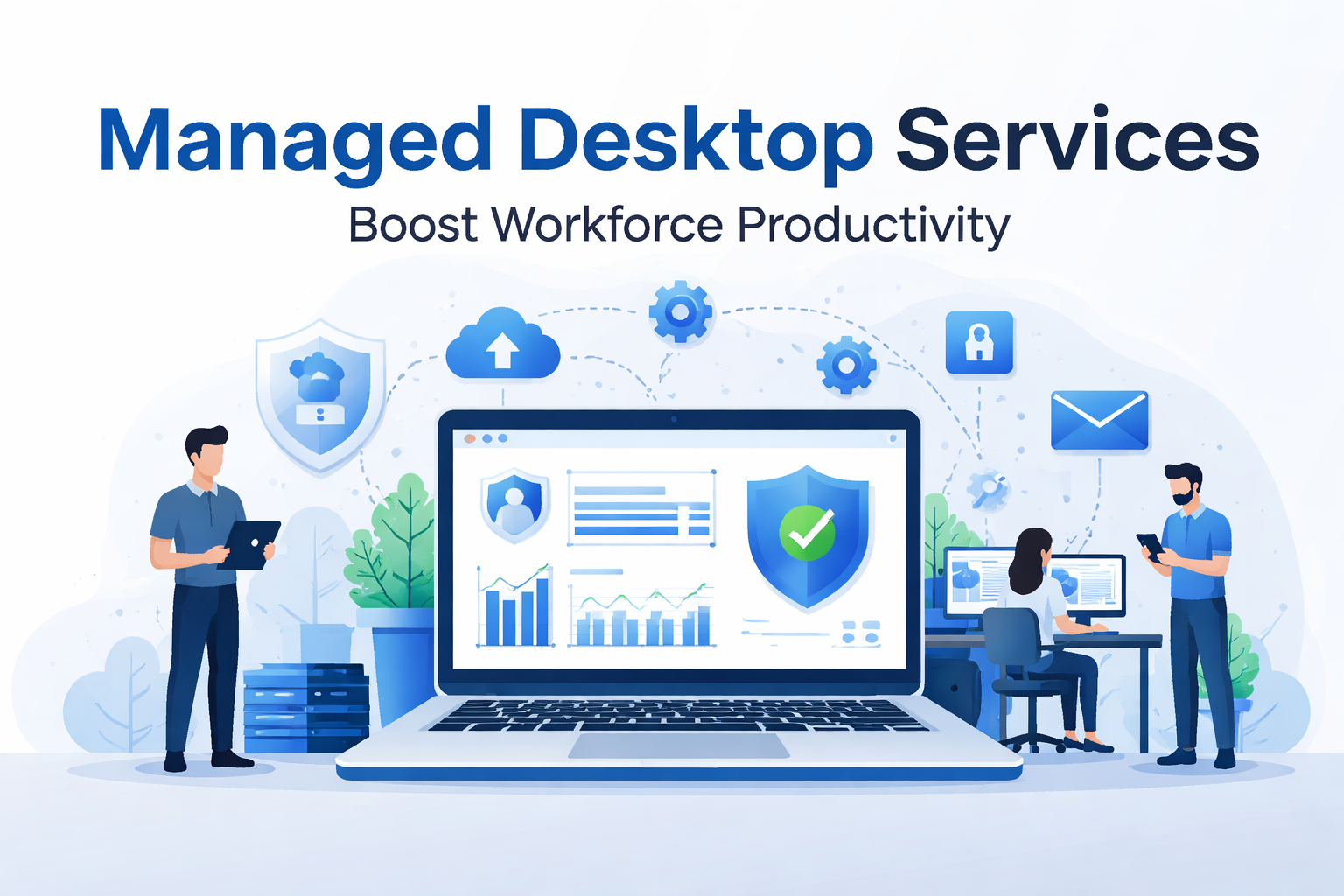
In today’s workplace, desktops are the main tools employees use to create business value. Whether teams work in an office or remotely, reliable and secure systems are essential. Managed Desktop Services help businesses reduce technical issues by keeping devices updated, secure, and high-performing. This approach simplifies desktop management, allowing companies to treat IT as a scalable and reliable resource instead of dealing with constant technical problems.
The Strategic Shift to Desktop Lifecycle Management
Traditional IT management often follows a "run it until it dies" philosophy. This reactive approach is deceptively expensive. When a workstation fails, the cost is not just the price of a new laptop; it is the hours of lost productivity, the frustration of the employee, and the rush-shipping fees for replacement parts. Managed desktop services introduce a proactive lifecycle strategy that replaces unpredictability with a structured roadmap.
By partnering with a provider, businesses benefit from automated deployment and standardization. This means every new hire receives a pre-configured device that is ready for work the moment they log in. Standardizing your fleet ensures that software updates and security patches can be pushed out globally, reducing the "version drift" that often leads to compatibility issues between different departments.
Remote Monitoring and Proactive Maintenance
The main advantage of a managed desktop environment is proactive monitoring. Advanced tools track device health, such as CPU performance, memory usage, and disk status, to detect issues before they cause failures. This allows providers to fix or replace hardware before downtime occurs. Software updates and security patches are also handled automatically during off-hours, preventing disruptions and keeping systems secure, efficient, and up to date.
Strengthening the Endpoint Security Frontier
In 2026, the "endpoint" of the laptop, tablet, or desktop used by an employee is the primary target for cyberattacks. With the rise of sophisticated phishing and AI-generated malware, traditional antivirus software is no longer enough. Managed desktop services integrate advanced Endpoint Detection and Response (EDR) to provide a multi-layered shield for your business data.
Zero-Trust and Identity Management
A robust managed service includes the implementation of Zero-Trust principles. This ensures that every access request to your network is verified, regardless of where it originates. By managing identities and permissions at the desktop level, you can ensure that an employee in marketing cannot accidentally access sensitive payroll files. This granular control is essential for maintaining compliance with modern data privacy laws.
Furthermore, managed providers implement disk encryption and remote-wipe capabilities. If a company laptop is lost or stolen at an airport, the data on that device remains inaccessible to unauthorized users. A technician can remotely erase the drive the moment it connects to a network, turning a potential data breach into a simple hardware replacement issue. For firms looking to bolster their overall defense, integrating these endpoints into Managed IT Services in Utah provides a cohesive security posture.
Virtual Desktop Infrastructure (VDI) and Cloud Flexibility
For organizations with a highly mobile workforce, Managed Desktop Services often include Virtual Desktop Infrastructure. This technology allows employees to access their specific desktop environment from any device, anywhere. All the processing power and data reside on a secure server, meaning the physical device becomes merely a "thin client."
Our specialized Cloud Services enable this level of flexibility. VDI is particularly useful for industries that handle high-sensitivity data, as no information is ever stored locally on the user's laptop. If a remote worker's personal computer fails, they can simply log in from another device and pick up exactly where they left off, with zero data loss and no need for complex re-configurations.
Streamlining IT Costs and Resource Allocation
One of the most compelling arguments for managed desktop services is the financial clarity it provides. Maintaining a diverse fleet of aging hardware and various software licenses creates a "hidden tax" on your budget. Between emergency support calls and the time spent by internal staff fixing basic peripheral issues, the true cost of unmanaged desktops is often significantly higher than a managed subscription.
Predictive Budgeting and Reduced Overhead
A managed service model turns IT capital costs (CapEx) into predictable monthly operating expenses (OpEx). Instead of large hardware refresh costs, businesses pay a fixed monthly fee covering support, security, monitoring, and sometimes hardware. This improves budgeting and allows leadership to focus on business growth rather than daily IT issues.
Frequently Asked Questions
What is included in a typical managed desktop service?
It usually includes 24/7 remote support, automated updates, security protection, hardware monitoring, and regular data backups.
Can you manage desktops for employees working from home?
Yes. Devices can be monitored, updated, and secured remotely from anywhere with an internet connection.
How does this differ from traditional "Break-Fix" IT?
Break-fix reacts after problems occur, while managed services prevent issues through proactive monitoring and maintenance.
Does managed desktop support include mobile devices and tablets?
Yes. Many providers include Mobile Device Management (MDM) to secure and manage company phones and tablets.
Conclusion
The modern workstation is too critical to be left to chance. By adopting professional desktop management, Utah businesses can ensure that their most valuable asset, their employees, are never held back by their tools. It is about creating a seamless, secure, and high-performance environment where technology serves the user, rather than the other way around. As the digital landscape becomes more complex, the peace of mind that comes with professional desktop management is invaluable. By securing your endpoints and optimizing your hardware lifecycle today, you are building a more resilient and productive organization for tomorrow.
Categorias
Leia Mais
Planning a family trip to Leh Ladakh A family trip to Leh Ladakh is a delightful experience filled with stunning scenery, cultural attractions and memorable adventures. But, selecting the Best accommodation in Leh Ladakh for family is one of the most crucial decisions that can make your journey comfortable and stress-free. Families want rooms that are spacious, with modern facilities, a good...

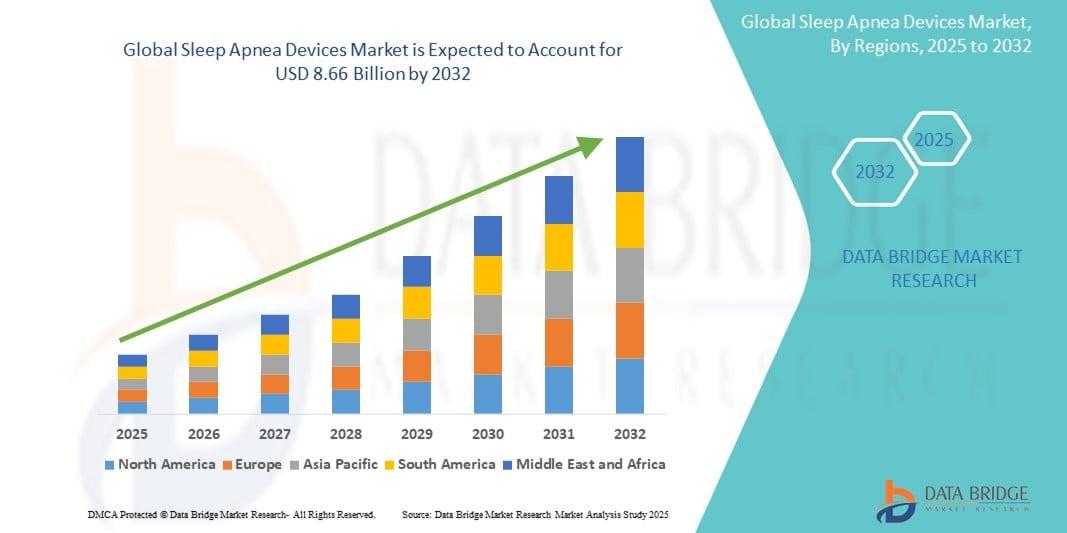
" According to the latest report published by Data Bridge Market Research, the Sleep Apnea Devices Market CAGR Value The global sleep apnea devices market size was valued at USD 4.78 billion in 2024 and is expected to reach USD 8.66 billion by 2032, at a CAGR of 7.70% during the forecast period With the use of integrated approaches and latest technology...
Vaughan Limo Service: Experience Luxury, Comfort, and Reliable Transportation Introduction Traveling around Vaughan can be exciting, but finding reliable transportation for important occasions, business trips, airport transfers, or special events is not always easy. Many people struggle with late arrivals, uncomfortable rides, parking challenges, and the stress of managing traffic. A...

Boarding passes, university assignments, signed contracts. Most of these live on a phone long before they ever touch paper. Carrying a laptop just to print one document feels unnecessary when the file is already sitting in an inbox or a photo gallery, which is exactly why searches for print from phone near me have become so routine. A Location That Fits an Ordinary Week The Streatham...

According to the latest report published by Data Bridge Market Research, the Wearable Skin Patch Market The global wearable skin patch market size was valued at USD 14.00 billion in 2024 and is expected to reach USD 26.69 billion by 2032, at a CAGR of 8.40% during the forecast period The comprehensive Wearable Skin Patch Market report offers a thorough overview of product...
