Thread Mill Explained: Everything You Need to Know
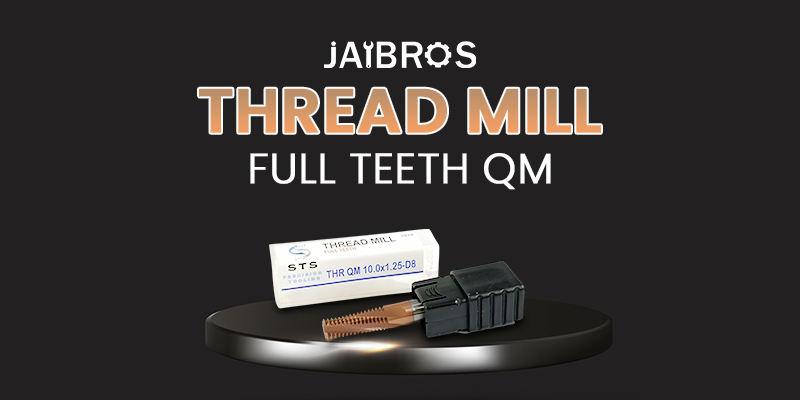
Thread Mill Guide: Uses, Tools & CNC Thread Milling Tips
Threading is one of the most important processes in modern machining and manufacturing. Many industries rely on strong and precise threaded connections to assemble components safely and efficiently. One of the most advanced methods used today to create threads is thread milling. This technique provides flexibility, accuracy, and better tool life compared to many traditional threading methods.
In CNC machining environments, thread milling has become increasingly popular because it allows manufacturers to produce high-quality threads in a wide variety of materials. In this guide, you will learn how a thread mill works, its advantages, common applications, and how to choose the right tool for your machining needs.
What Is a Thread Mill?
A thread mill is a specialised cutting tool used to create internal or external threads through a milling process. Unlike traditional tapping, which cuts threads by pushing a tap into a hole, this method uses circular and helical movements to gradually form the threads.
During the operation, the tool rotates while moving in a spiral path along the hole or workpiece surface. This controlled movement creates precise threads while reducing stress on both the tool and the material.
Because of its flexibility and precision, a thread is widely used in modern manufacturing operations where accuracy and reliability are essential.
How Thread Milling Works
Thread milling is performed on CNC machines that can move in multiple directions simultaneously. The process involves circular interpolation, where the tool follows a programmed path to create the desired thread shape.
The operation usually begins by positioning the tool above the workpiece. The cutting tool then enters the hole or surface and starts moving in a circular motion while gradually moving along the vertical axis. This helical motion forms the thread profile.
Since the thread milling tool removes material gradually, it produces less cutting pressure compared to tapping. This helps prevent tool breakage and ensures smoother machining operations.
Advantages of Thread Milling
Thread milling offers several benefits that make it a preferred choice for many machining professionals.
Higher Precision
Thread provides excellent accuracy because the tool movement is fully controlled by CNC programming. This ensures consistent thread dimensions and improved surface quality.
Reduced Tool Breakage
Traditional taps can break easily when machining hard materials. With thread, the cutting load is distributed along the tool path, reducing the chances of tool failure.
Greater Flexibility
A single thread can often create different thread sizes simply by adjusting the CNC program. This flexibility helps reduce tool inventory and production costs.
Better Chip Control
The cutting process produces small chips that are easier to remove from the machining area. Proper chip evacuation improves machining efficiency and prevents damage to the workpiece.
Suitable for Difficult Materials
Thread milling works effectively on challenging materials such as stainless steel, titanium, and hardened alloys where traditional tapping may fail.
Types of Thread Tools
Different machining tasks require different types of cutting tools. Understanding these variations helps machinists choose the right tool for their applications.
Single Profile Tools
Single profile tools create one thread form at a time. These tools are extremely flexible and can produce a wide range of thread pitches and diameters. They are often used in high-precision machining operations where accuracy is critical.
Multi Profile Tools
Multi profile tools are designed to create the entire thread profile in a single pass. They are ideal for high-volume production environments where speed and efficiency are essential.
Solid Carbide Tools
Solid carbide thread tools are commonly used in CNC machining because of their excellent wear resistance and durability. These tools can withstand high temperatures and cutting forces, making them suitable for demanding industrial applications.
Applications of Thread Milling
Thread milling is widely used across multiple industries that require precise threaded components.
Aerospace Industry
Aircraft components often require extremely accurate threads in high-strength materials. Thread milling provides the precision and reliability needed for these critical parts.
Automotive Manufacturing
Many automotive components rely on threaded connections for assembly. Milling ensures consistent thread quality in engine parts, gear housings, and structural components.
Medical Equipment
Medical devices and surgical tools require highly precise machining. Milling allows manufacturers to create small and accurate threads used in medical assemblies.
Mould and Die Industry
Mold and die manufacturing often involves complex machining operations. milling helps produce high-quality threads in hardened tool steels used in moulds.
How to Choose the Right Thread Tool
Selecting the correct tool is essential for achieving the best machining results. Several factors should be considered before choosing a cutting tool.
Workpiece Material
The material being machined plays a major role in tool selection. Hard materials require stronger cutting tools, often made from carbide, to handle the cutting forces.
Thread Size and Pitch
The diameter and pitch of the thread determine the type and size of the cutting tool needed. Proper selection ensures accurate threads and longer tool life.
Machine Capability
A modern cnc machine tool is required for milling operations because the process relies on precise multi-axis movements and advanced programming.
Tool Coating and Quality
High-quality coatings reduce friction and heat during cutting. This improves performance and increases the lifespan of the tool.
Thread Milling Compared to Tapping
milling and tapping are both used to create threads, but they operate in very different ways.
Thread milling offers more flexibility because a single tool can produce different thread sizes. It also reduces the risk of tool breakage since the cutting load is distributed during the operation. In addition, it provides better chip evacuation and improved machining accuracy.
Tapping, on the other hand, requires a separate tap for each thread size and can sometimes break during machining, especially when working with hard materials. For this reason, many modern machining operations prefer milling for precision work.
Best Practices for Thread Milling
To achieve optimal results, machinists should follow certain best practices during machining operations.
First, ensure that the CNC program is accurate and properly designed. Correct programming allows the tool to move smoothly and create consistent threads.
Second, select appropriate cutting speeds and feed rates according to the workpiece material. Incorrect speeds may cause excessive tool wear or poor thread quality.
Third, use coolant during machining to reduce heat buildup and improve chip evacuation.
Finally, inspect the cutting tool regularly. Worn tools may produce inaccurate threads or damage the workpiece.
Using high-quality cnc tools and proper machining practices helps ensure reliable and efficient production.
Common Challenges in Thread Milling
Even though milling is highly effective, certain challenges may arise during machining.
One common issue is incorrect programming. Since the process relies on precise tool paths, programming errors can result in inaccurate threads.
Another challenge is tool deflection. If the cutting tool is too long or thin, it may bend during machining and affect thread accuracy.
Improper tool selection can also lead to problems. Choosing the wrong mill cutter for the job may cause excessive wear or poor thread quality.
By understanding these challenges and selecting the right tools, machinists can achieve excellent machining results.
Future of Milling
With continuous advancements in machining technology, thread milling is becoming even more efficient and reliable. Modern CNC machines provide better precision, faster processing speeds, and improved automation capabilities.
In addition, new cutting tool materials and coatings are being developed to enhance tool performance and durability. As industries continue to demand higher accuracy and productivity, thread milling will remain an essential process in modern manufacturing.
Frequently Asked Questions (FAQs)
What is thread milling used for?
Thread milling is used to create internal and external threads in different materials using CNC machining processes.
Is thread milling better than tapping?
In many applications, thread milling offers better flexibility, improved precision, and reduced risk of tool breakage compared to tapping.
What machines are required for thread milling?
requires a CNC machine capable of circular interpolation and multi-axis movement.
What materials can be machined with milling?
This process can be used on materials such as aluminum, steel, stainless steel, titanium, and other alloys.
How do I select the right thread milling tool?
The correct tool depends on factors such as thread size, workpiece material, machine capability, and the required level of accuracy.
Categorías
Read More
Rain in Dubai is rare, but when it comes, it hits hard. Roads flood quickly, parking basements fill up, and within minutes, cars are sitting in water. For many drivers, the first reaction is panic—especially when the car refuses to start. What most people don’t realize is that flood damage is not always obvious right away. A car might seem fine on the outside, but inside, the engine...
What Are Wellness Products? Definition and Scope When you hear the term wellness products, what comes to mind? Maybe vitamins, skincare items, or even yoga mats. But the concept goes far beyond that. Wellness products are designed to improve your overall physical, mental, and emotional health. They aren’t just about curing problems—they’re about preventing them and helping you...

カジノアプリ 稼げる - 「本当に稼げるカジノアプリ」とは、ただ遊ぶだけのゲームではなく、プレイを通じて実際に換金や報酬を得られる可能性を秘めたオンラインカジノ系アプリのことを指します。2025年現在は、スロットやライブカジノはもちろん、スポーツベットや麻雀など多彩なジャンルが登場し、スマホ1台で本格的に楽しめる環境が整いました。 近年、オンラインカジノは多くの人々にとって魅力的なエンターテイメントの一つとなっています。自宅にいながらにして楽しめるだけでなく、実際にお金を稼ぐチャンスもあります。しかし、成功するためにはいくつかのポイントを押さえる必要があります。このガイドでは、オンラインカジノで稼ぐための基本的な戦略と注意点を紹介します。 1. ゲームの理解...

If you're looking for an affordable personal cooling device that is easy to move and simple to use, the Polar Breeze Ultra Air Cooler UK may be worth considering as part of your summer comfort solution. Official Facebook>>> https://www.facebook.com/PolarBreezeUltraAirCoolerUK/ Blogs>>...

Back end of the line (BEOL) semiconductor equipment is a critical component in the semiconductor manufacturing process, focusing on interconnect formation, packaging, and final testing of integrated circuits. These processes ensure that semiconductor devices meet performance, reliability, and efficiency standards. As chip designs become more complex and compact, BEOL technologies are evolving...