


Luxury Yarns in the United States: Fibers, Craftsmanship, and Creative Value
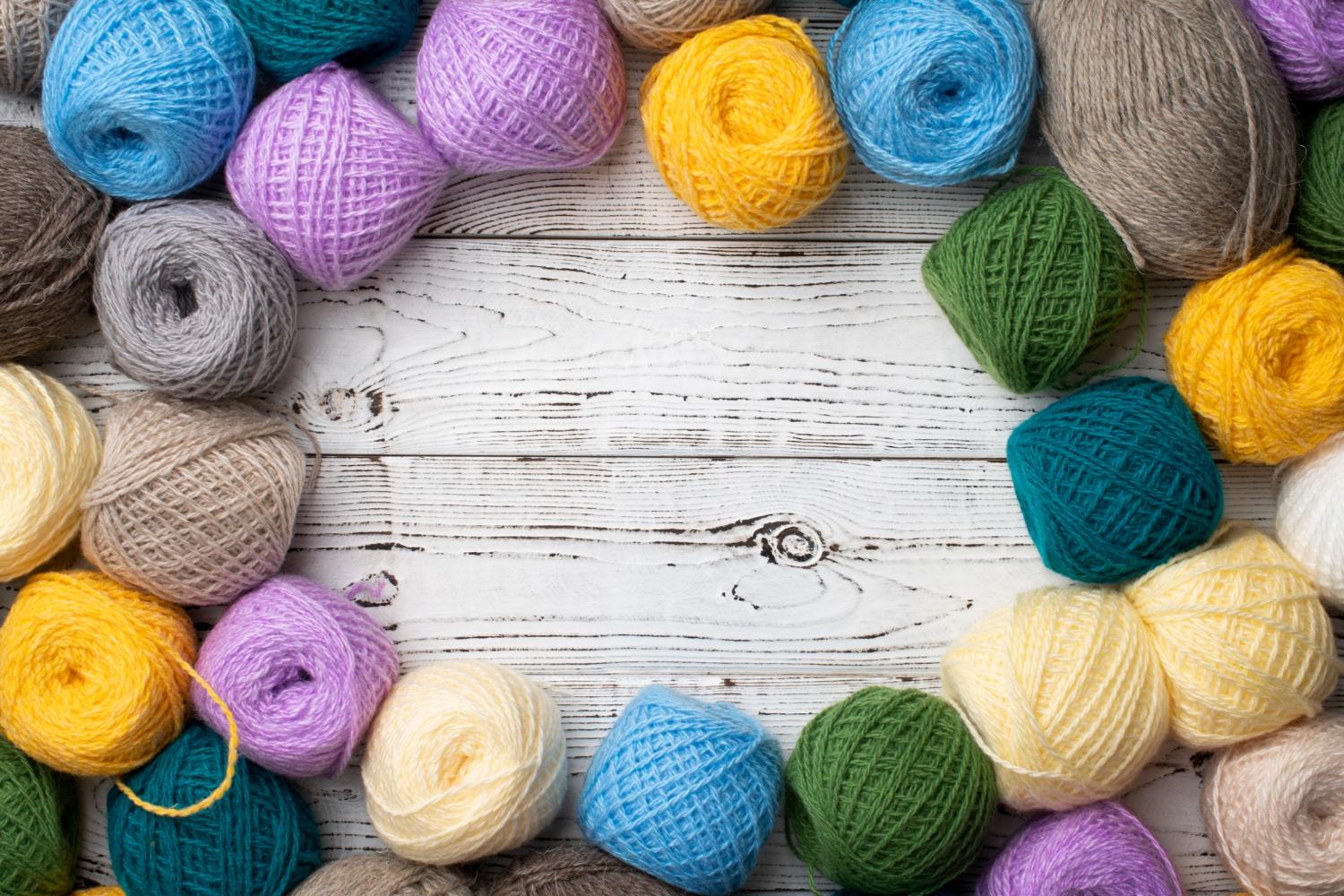
Across the United States, interest in high-quality fiber arts materials continues to grow. Among knitters, crocheters, and textile artists, luxury yarns occupy a distinct place in the crafting landscape. Defined by exceptional fiber content, refined processing, and elevated tactile qualities, luxury yarns are valued for their performance as much as their aesthetic appeal.
Rather than being associated with branding or exclusivity, luxury yarns are best understood through their materials, origins, craftsmanship, and the experience they offer to the maker. In the United States, where fiber arts range from hobbyist crafting to professional textile production, luxury yarns serve as a bridge between tradition, artistry, and innovation.
What Are Luxury Yarns?
Luxury yarns refer to yarns made from premium natural or specialty fibers known for softness, durability, luster, warmth, or rarity. These yarns often involve careful sourcing and meticulous spinning processes that enhance their quality.
Unlike mass-produced synthetic blends, luxury yarns typically emphasize:
-
Natural fiber content
-
Fine micron counts (in the case of wool)
-
Specialized harvesting methods
-
Small-batch or carefully controlled production
-
Distinct texture and drape
Luxury yarns are not defined solely by price. Instead, their classification depends on fiber characteristics and production standards that distinguish them from everyday materials.
Common Fibers Found in Luxury Yarns
The defining element of luxury yarns lies in their fiber composition. Several fibers are commonly associated with elevated quality and tactile refinement.
Cashmere
Derived from the soft undercoat of goats, cashmere is prized for its exceptional softness and warmth. It is lightweight yet insulating, making it suitable for garments worn in colder regions of the United States. The limited yield per animal contributes to its rarity.
Silk
Silk fibers, produced by silkworms, offer natural sheen and smoothness. Silk-based luxury yarns are valued for their drape and luminous finish. They are often used in lightweight garments or blended with other fibers to enhance texture.
Alpaca
Alpaca fiber is known for its softness and thermal efficiency. It contains fewer microscopic scales than sheep’s wool, resulting in reduced itchiness. Alpaca luxury yarns are often chosen for scarves, sweaters, and blankets.
Merino Wool
Merino wool comes from Merino sheep and is recognized for its fine micron count and elasticity. High-grade merino fibers are softer than traditional wool, making them suitable for garments worn directly against the skin.
Mohair
Mohair, sourced from Angora goats, has a distinctive halo effect and sheen. Luxury yarns incorporating mohair are often lightweight yet warm, adding texture to projects.
Fiber Sourcing and Ethical Considerations
In the United States, growing awareness of sustainability and ethical production influences how luxury yarns are perceived. Consumers increasingly seek information about fiber origins, animal welfare practices, and environmental impact.
Luxury yarns often highlight responsible sourcing, including:
-
Humane animal treatment
-
Sustainable grazing practices
-
Minimal chemical processing
-
Environmentally conscious dyeing methods
While practices vary, the emphasis on transparency reflects broader trends in American consumer behavior toward ethically informed purchasing decisions.
Production Techniques That Define Luxury Yarns
The transformation of raw fiber into finished yarn significantly affects quality. Luxury yarns often undergo careful carding, combing, and spinning to maintain fiber integrity.
Fine Spinning
High-end spinning techniques reduce fiber breakage and produce even strands. This enhances stitch definition in knitting and crocheting.
Hand-Dyeing
Some luxury yarns are dyed in small batches to achieve nuanced color variations. Subtle tonal shifts add depth to finished projects.
Blended Fibers
Combining fibers such as silk and merino can enhance softness while preserving elasticity. Blends are crafted intentionally to balance strengths and minimize weaknesses.
These production methods contribute to the distinctive feel and appearance that characterize luxury yarns.
Climate Considerations in the United States
The diverse climates of the United States influence how luxury yarns are used. In northern states with colder winters, insulating fibers such as cashmere and alpaca are particularly valued. In milder southern regions, silk blends or lightweight merino options may be more practical.
Humidity also plays a role. Natural fibers can absorb moisture, which may impact storage and care. Proper handling helps maintain fiber integrity over time.
Applications of Luxury Yarns
Luxury yarns are often chosen for projects intended to last or to serve as heirloom pieces. Their durability and tactile appeal make them suitable for:
-
Sweaters and cardigans
-
Shawls and wraps
-
Scarves and hats
-
Baby garments
-
Decorative home textiles
Because of their softness and drape, luxury yarns are frequently used for garments worn close to the skin. The resulting pieces often display refined stitch definition and elegant movement.
Texture, Drape, and Stitch Definition
One distinguishing characteristic of luxury yarns is their behavior once knitted or crocheted.
Texture
Luxury fibers tend to feel smooth, soft, or silky. This tactile quality enhances the crafting experience and the comfort of the finished piece.
Drape
Silk and alpaca fibers, in particular, create fluid drape. Garments made from these yarns often conform naturally to the body without stiffness.
Stitch Definition
Fine merino or tightly spun blends can produce crisp stitch patterns. Complex cables, lacework, and textured designs are often showcased effectively using luxury yarns.
Care and Maintenance
Proper care is essential to preserve the qualities of luxury yarns. Many natural fibers require gentle handling.
Common care recommendations include:
-
Hand washing in cool water
-
Using mild detergents
-
Avoiding wringing or twisting
-
Laying flat to dry
Some fibers, such as untreated wool, may felt if exposed to heat or agitation. Understanding fiber-specific requirements helps maintain the longevity of finished projects.
The Role of Luxury Yarns in Modern Craft Culture
In recent years, crafting has evolved beyond necessity into a form of artistic expression and mindfulness. Luxury yarns contribute to this cultural shift by elevating the material experience.
For many makers in the United States, working with premium fibers enhances focus and enjoyment. The tactile sensation of soft yarn moving through the hands can foster relaxation and creative immersion.
Additionally, luxury yarns often encourage slower, more intentional crafting. Because the materials are valued for their quality, projects may be approached with greater care and attention to detail.
Economic and Market Considerations
The market for luxury yarns in the United States reflects broader economic trends in artisanal goods. As consumers demonstrate interest in craftsmanship and sustainability, demand for high-quality materials persists.
However, accessibility varies. Luxury yarns typically require a higher investment than standard acrylic or blended options. As a result, many crafters reserve them for special projects rather than everyday items.
This selective usage underscores their perceived value. Luxury yarns often symbolize a commitment to quality over quantity.
Storage and Preservation
Proper storage is crucial for maintaining fiber quality. Natural fibers are susceptible to pests such as moths, particularly in humid climates.
To protect luxury yarns:
-
Store in sealed containers
-
Keep away from direct sunlight
-
Use natural repellents where appropriate
-
Maintain stable temperature and humidity levels
Taking preventive measures helps ensure that the fibers remain intact and usable over time.
Luxury Yarns and Heirloom Crafting
One notable aspect of luxury yarns is their association with heirloom-quality projects. Because these fibers offer durability and aesthetic refinement, finished pieces are often intended to be preserved and passed down.
Handcrafted garments or blankets made from premium fibers may retain their structure and softness for many years when properly maintained. This longevity reinforces the perception of luxury yarns as investments in craftsmanship.
Conclusion
Luxury yarns occupy a distinctive place within the fiber arts community in the United States. Defined by premium fibers, careful sourcing, and refined production techniques, they offer qualities that extend beyond appearance. Softness, durability, drape, and stitch clarity combine to create materials that enhance both the crafting process and the finished result.
From cashmere and silk to fine merino and alpaca, luxury yarns reflect a commitment to quality and thoughtful creation. Their role in modern craft culture underscores a broader appreciation for sustainable materials, skilled production, and intentional artistry.
While not essential for every project, luxury yarns provide a heightened tactile and creative experience. For many fiber artists, they represent the intersection of tradition, innovation, and enduring craftsmanship within the evolving landscape of American textile arts.
Nach Verein filtern
Read More
"Executive Summary Saudi Arabia and U.A.E. Modular Construction Market Size and Share Forecast CAGR Value The Saudi Arabia and U.A.E. modular construction market size was valued at USD 2.81 billion in 2024 and is expected to reach USD 5.17 billion by 2032, at a CAGR of 7.9% during the forecast period The Saudi Arabia and U.A.E. Modular Construction...

Sophia stands out as a rare "S" hero in the Last Z: Survival Shooter universe, representing the esteemed Blood Rose faction. She is primarily recognized as a "construction" class hero, emphasizing her strategic importance on the battlefield. Within the game's classification system, Sophia is categorized as a combat-type hero and a member of the fighter faction. Her offensive capabilities are...

"In-Depth Study on Executive Summary Middle East and Africa Pharmacogenetics Testing in Psychiatry/Depression Market Size and Share CAGR Value Data Bridge Market Research analyzes that the Middle East & Africa pharmacogenetics testing in psychiatry/depression market is expected to reach the value of USD 49.64 million by 2029, at a CAGR of 7.1% during the forecast period....

n a city defined by innovation, entertainment, and relentless ambition, your appearance is often your first introduction to a room before you even speak. Los Angeles is a town where style isn’t just a preference—it’s a language. Whether you are navigating the high-stakes world of Hollywood production, closing deals in Century City, or attending an exclusive gala in the Hills,...
Ahead of the 20232024 season, the National Basketball Association implemented a rule requiring players to play in at least 65 games in order to be eligible for endofseason awards such as league MVP, AllNBA honors, and Clutch Player of the to tackle two issues, tanking to increase draft lottery odds and fan discontent over load management, this benchmark has done nothing but generate scrutiny,...