


Understanding the Basics of Public Cloud Computing

When exploring modern IT solutions, one of the most frequently asked questions is, "what is public cloud?" The public cloud is a computing model where services such as storage, servers, and applications are delivered over the internet by third-party providers. Unlike private or hybrid clouds, the infrastructure in a public cloud is shared among multiple users, allowing organizations to access resources without investing heavily in physical hardware.
One of the key characteristics of the public cloud is scalability. Organizations can adjust their computing resources according to demand, which is particularly useful for businesses with fluctuating workloads. This flexibility is possible because the cloud provider manages the hardware, software, and networking, enabling companies to focus on their core operations rather than infrastructure maintenance.
Security is often a concern when it comes to public cloud adoption. Cloud providers implement robust security measures, including data encryption, access controls, and regular audits, to protect sensitive information. While the shared environment may seem less secure than dedicated systems, the public cloud often adheres to strict compliance standards, making it suitable for many businesses.
Another significant aspect is cost efficiency. Companies can avoid the capital expenditure of purchasing and maintaining servers by paying for resources on a subscription or usage basis. This pay-as-you-go model allows smaller businesses to leverage enterprise-grade computing capabilities that were once only accessible to large organizations.
The public cloud also encourages collaboration and accessibility. Teams spread across different geographies can access applications and data from anywhere with an internet connection. This makes it easier to share information in real-time, improving operational efficiency and responsiveness.
However, organizations must carefully consider factors like service level agreements, vendor lock-in, and data residency requirements when choosing a public cloud provider. While public clouds offer many advantages, aligning the provider’s capabilities with organizational needs is crucial for long-term success.
Overall, the public cloud has become an integral part of modern IT strategies, offering flexibility, cost savings, and accessibility while relying on managed services to simplify infrastructure management. Its widespread adoption demonstrates its effectiveness in supporting businesses of all sizes, making the public cloud a central element in the digital transformation journey.
Κατηγορίες
Διαβάζω περισσότερα
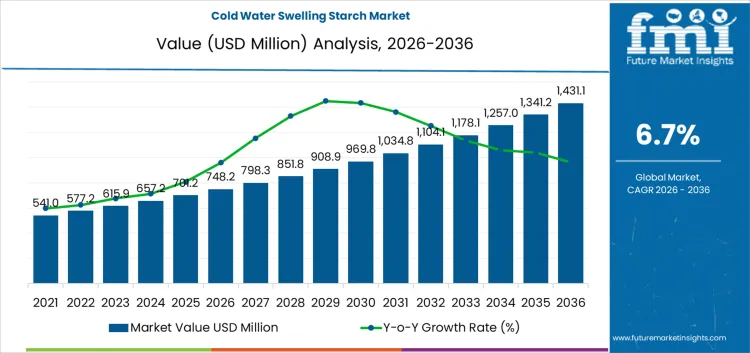
According to Future Market Insights (FMI), the global cold water swelling starch market is witnessing steady growth as manufacturers increasingly demand functional starch ingredients that provide instant hydration, viscosity, texture enhancement, and processing efficiency. Cold water swelling starch, available in granular, pregelatinized, and powder forms, is gaining adoption across food &...
The Unique Charm of Florida’s Natural Landscapes Florida is widely known for its sunny beaches, vibrant cities, and world-famous attractions, but its natural scenery is equally remarkable. From lush wetlands and tropical forests to rolling dunes and crystal-clear springs, the state offers a diverse range of environments that attract nature lovers, photographers, and outdoor enthusiasts...

According to WiseGuy Reports, the Digital Textile Printer Market was valued at USD 2,483.2 million in 2024 and reached USD 2,619.8 million in 2025. The market is projected to grow to USD 4,500.0 million by 2035, registering a CAGR of 5.5% during the forecast period. Growth is supported by increasing demand for sustainable printing solutions, rising product customization, continuous advancements...

Netflix is actively expanding its anime portfolio through strategic partnerships with prominent Japanese animation studios, aiming to deliver a diverse array of original series worldwide. Recently, collaborations have been established with anima, sublimation, and David Production, complementing earlier agreements with Production I.G and Bones made in 2018. These partnerships focus on...

" According to the latest report published by Data Bridge Market Research, the Industrial Packaging Market CAGR Value Data Bridge Market Research analyses that the industrial packaging market is expected to reach USD 21.46 billion by 2030, which was USD 14.19 billion in 2022, registering a CAGR of 5.30% during the forecast period of 2023 to 2030 This Industrial Packaging Market...
