


Mental Health: A Complete Guide to Emotional and Psychological Well-Being
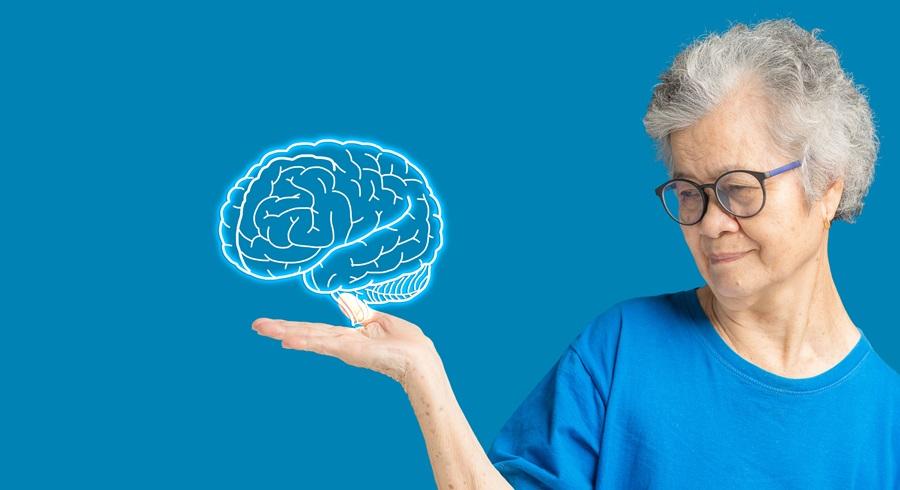
Your thoughts, emotions, and behaviors shape how you experience life. From handling stress at work to enjoying time with family, your emotional balance affects every part of your day. When your mind feels clear and steady, challenges seem manageable. When it feels overwhelmed, even small tasks can become difficult.
That’s why understanding and protecting your mental health is so important. Just like physical fitness, emotional well-being requires regular care and attention. In this in-depth guide, you will learn what mental well-being truly means, common warning signs of imbalance, possible causes, and simple daily habits that can help you feel more stable and confident.
What Is Mental Health?
Mental health refers to your emotional, psychological, and social well-being. It influences how you:
- Think and process information
- Handle stress
- Make decisions
- Build relationships
- React to life events
Good mental health does not mean feeling happy all the time. It means being able to manage life’s ups and downs in a balanced way. Everyone experiences stress, sadness, or worry at times. The key is how long these feelings last and how much they interfere with daily life.
Why Mental Health Matters
Your emotional well-being affects your physical health, relationships, and productivity. When mental health is strong, you are more likely to:
- Sleep well
- Stay focused
- Communicate effectively
- Maintain healthy habits
- Handle conflict calmly
On the other hand, ongoing emotional distress may lead to fatigue, headaches, digestive problems, or difficulty concentrating.
Taking care of your mind is not a luxury—it is a necessity for a fulfilling life.
Early Warning Signs of Emotional Imbalance
Recognizing symptoms early can help prevent more serious challenges. Watch for these common signs:
1. Persistent Sadness or Irritability
Feeling low or easily annoyed for weeks at a time may signal emotional strain.
2. Loss of Interest
Losing interest in hobbies or activities you once enjoyed can be a warning sign.
3. Changes in Sleep Patterns
Sleeping too much or too little often reflects stress or anxiety.
4. Difficulty Concentrating
Struggling to focus or make decisions may indicate mental overload.
5. Withdrawal from Others
Avoiding friends and family may suggest emotional fatigue.
If these symptoms last longer than two weeks or interfere with daily functioning, consider seeking professional support.
Common Causes of Mental Health Challenges
There is rarely a single cause. Emotional well-being is shaped by many factors.
Stress
Work pressure, financial worries, or relationship problems can gradually wear down resilience.
Trauma
Past difficult experiences may continue to affect emotions long after they occur.
Hormonal Changes
Life stages such as adolescence, pregnancy, or aging can influence mood.
Lack of Sleep
Sleep deprivation can heighten anxiety and irritability.
Social Isolation
Limited social interaction may increase feelings of loneliness.
Understanding possible causes allows you to take steps toward improvement.
The Connection Between Body and Mind
Your brain and body are deeply connected. Physical health problems can influence mood, and emotional stress can affect the body.
For example:
- Chronic stress may increase muscle tension
- Anxiety can cause rapid heartbeat
- Depression may reduce energy levels
- Poor diet may impact brain chemistry
Supporting overall health supports emotional balance as well.
Nutrition and Mental Well-Being
Food fuels your brain. A balanced diet provides nutrients that help regulate mood and focus.
Nutrients That Support Brain Function
Omega-3 Fatty Acids
Support brain cell communication.
B Vitamins
Help convert food into energy and support mood balance.
Magnesium
Plays a role in relaxation and stress response.
Protein
Provides amino acids that help produce neurotransmitters.
Brain-Friendly Foods
- Leafy green vegetables
- Nuts and seeds
- Whole grains
- Fresh fruits
- Lean protein sources
- Yogurt and fermented foods
Eating regularly and avoiding excessive processed foods may stabilize mood and energy.
Exercise and Mental Health
Physical activity is one of the most effective ways to improve emotional well-being. Exercise releases endorphins—natural chemicals that boost mood.
Benefits include:
- Reduced stress
- Improved sleep
- Increased self-confidence
- Better focus
You don’t need intense workouts. Even a 30-minute walk can lift your mood and clear your mind.
The Role of Sleep in Emotional Balance
Sleep restores both body and brain. Lack of rest can increase irritability and anxiety.
To improve sleep:
- Keep a regular bedtime
- Avoid screens before sleep
- Create a calm, dark environment
- Limit caffeine in the evening
Quality sleep strengthens emotional resilience and improves daily performance.
Managing Stress Effectively
Stress is unavoidable, but how you handle it makes a difference.
Healthy stress-management techniques include:
- Deep breathing exercises
- Meditation or mindfulness
- Journaling
- Listening to calming music
- Spending time outdoors
For more mental tiredness, simple relaxation practices can refresh your mind and reduce overwhelm.
Social Connections and Emotional Support
Humans are social beings. Positive relationships play a crucial role in mental health.
Strong social connections can:
- Reduce feelings of loneliness
- Improve self-esteem
- Provide emotional support
- Encourage healthy habits
Make time for meaningful conversations. Even brief check-ins can strengthen bonds.
Digital Balance and Screen Time
Excessive screen time can increase stress and disrupt sleep. Social media may also create unrealistic comparisons.
To maintain balance:
- Set daily screen limits
- Take regular breaks
- Avoid scrolling before bed
- Focus on real-life interactions
Small digital boundaries can significantly improve emotional clarity.
Workplace Stress and Burnout
Modern life often brings work-related pressure. Long hours, tight deadlines, and constant notifications can lead to burnout.
Signs of burnout include:
- Emotional exhaustion
- Reduced motivation
- Increased cynicism
- Physical fatigue
Setting boundaries, taking breaks, and prioritizing self-care can help prevent burnout.
Building Emotional Resilience
Resilience is the ability to bounce back from challenges. It doesn’t mean avoiding stress—it means adapting to it.
Ways to build resilience:
- Practice gratitude
- Focus on problem-solving
- Accept change
- Develop healthy coping strategies
- Learn from setbacks
Over time, resilience strengthens emotional stability.
Mindfulness and Meditation
Mindfulness means paying attention to the present moment without judgment. Meditation helps calm racing thoughts.
Regular practice may:
- Lower stress
- Improve concentration
- Increase emotional awareness
- Promote relaxation
Even five minutes of quiet breathing each day can create noticeable benefits.
When to Seek Professional Help
Sometimes self-care is not enough. Professional support may be needed if you experience:
- Persistent sadness
- Panic attacks
- Thoughts of self-harm
- Severe mood swings
- Inability to function daily
Seeking help is a sign of strength, not weakness.
Supporting Mental Health Long-Term
Consistency is key. Long-term emotional well-being requires daily attention.
Practical habits include:
- Maintaining routines
- Eating balanced meals
- Staying active
- Connecting with loved ones
- Limiting negative influences
- Practicing relaxation
Small daily improvements add up over time.
Breaking the Stigma Around Mental Health
Many people hesitate to talk about emotional struggles. However, open conversations reduce stigma and encourage support.
Remember:
- Everyone experiences challenges
- Asking for help is normal
- Emotional care is just as important as physical care
By speaking openly, we create a healthier and more supportive society.
Creating a Personal Wellness Plan
A simple wellness plan may include:
- Morning stretching
- Balanced meals
- Short daily walks
- Evening relaxation
- Weekly social activities
Personalize your plan based on your needs and lifestyle. Flexibility ensures long-term success.
Final Thoughts
Life brings both joy and stress. Protecting your mental health helps you navigate both with clarity and confidence. By focusing on nutrition, sleep, movement, stress management, and supportive relationships, you can strengthen emotional balance naturally.
Small steps taken consistently can create meaningful change. Prioritize your well-being, listen to your emotions, and seek support when needed.
If you are looking for additional support alongside healthy habits,
this product is very helpful for this problem.
Categorias
Leia Mais
In today’s globalized economy, international business transactions, foreign investments, overseas remittances, and cross-border financial activities have become common. While these opportunities create tremendous growth potential, they also bring regulatory responsibilities. In India, foreign exchange transactions are governed by the Foreign Exchange Management Act (FEMA), which provides...

A significant update has been deployed for Resident Evil Requiem, bringing its highly anticipated Photo Mode to players. This new feature, accessible directly from the pause menu, provides extensive creative control. Adjustments for depth of field, character poses and expressions, along with a suite of visual filters and decorative stickers, are now at your fingertips. Beyond this centerpiece,...
When it comes to creating a beautiful and functional living or working environment, choosing the right Interior Designers in Noida plays a crucial role. A well-designed interior not only enhances the visual appeal of a space but also improves comfort, productivity, and lifestyle. With rapid urban development and modern residential projects, the demand for professional interior design services...
The Elf Bar BC10000 Puffs is a top-tier disposable vape known for its massive e-liquid capacity, long-lasting performance, and sophisticated design. It represents a significant upgrade over previous models, incorporating smart technology for a better user experience. Advanced Features E-Liquid & Battery Display: This is a major highlight. The device features a real-time...

Le concept de meilleur casino en ligne a profondément évolué avec la digitalisation du divertissement. Aujourd’hui, un meilleur casino en ligne ne se limite plus à proposer des jeux d’argent, mais constitue une plateforme technologique complète intégrant sécurité, performance et engagement utilisateur. Cadre...