Supports Healthy Digestion: A Complete Guide to Better Gut Health
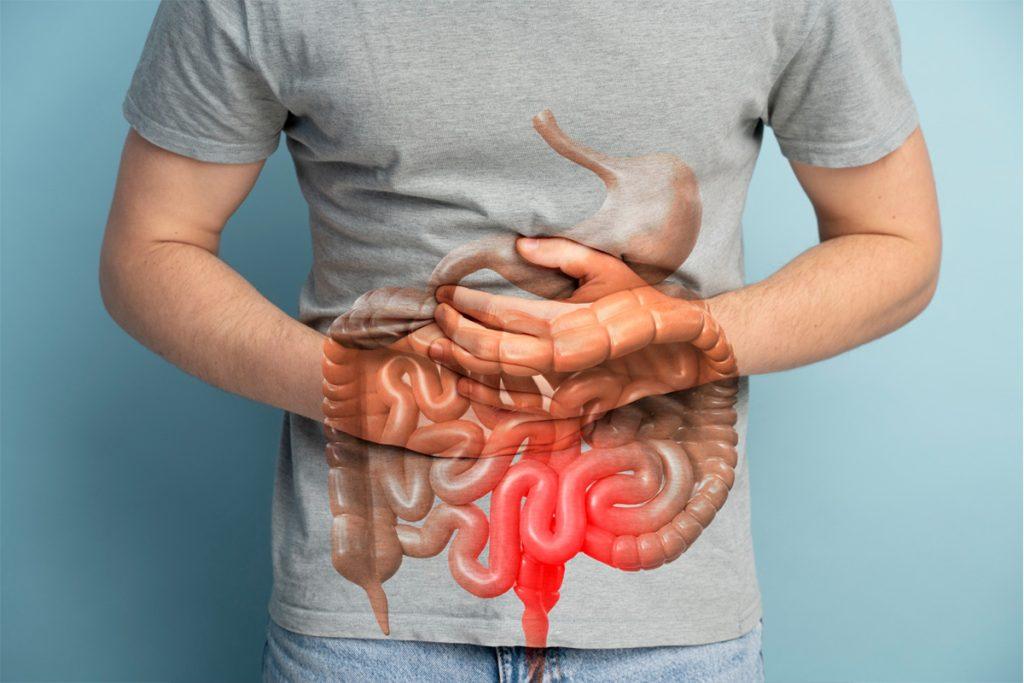
Digestive comfort plays a major role in how you feel every day. When your stomach feels light and balanced, your energy improves, your mood stays steady, and your body functions smoothly. But when digestion slows down or becomes uncomfortable, it can affect your entire routine.
Many people experience bloating, gas, irregular bowel movements, or stomach discomfort at some point. The good news is that simple lifestyle changes can support healthy digestion and strengthen your gut health naturally.
In this comprehensive guide, you will learn how your digestive system works, common causes of digestive discomfort, and practical habits that help maintain long-term balance.
Understanding Your Digestive System
Your digestive system is responsible for breaking down food, absorbing nutrients, and removing waste. It includes several organs:
- Mouth
- Esophagus
- Stomach
- Small intestine
- Large intestine
- Liver and pancreas
Each part works together to ensure nutrients reach your bloodstream and fuel your body.
When digestion works properly, food moves smoothly through your system. When something disrupts this process, symptoms such as bloating, constipation, diarrhea, or heartburn may occur.
What Is Gut Health?
Gut health refers to the balance and function of your digestive tract, especially the intestines. Inside your gut lives a large community of bacteria known as the gut microbiome. These bacteria help:
- Break down food
- Produce certain vitamins
- Support immune function
- Protect against harmful microbes
Maintaining good gut health means keeping a healthy balance of beneficial bacteria while supporting smooth digestion.
Signs Your Digestion May Need Support
Occasional digestive discomfort is normal, but frequent symptoms may signal imbalance.
1. Bloating
Feeling swollen or full after meals may indicate slow digestion.
2. Irregular Bowel Movements
Constipation or diarrhea can disrupt daily comfort.
3. Excess Gas
Gas buildup often results from imbalanced gut bacteria.
4. Stomach Cramps
Persistent discomfort may suggest digestive irritation.
5. Low Energy
Poor digestion can affect nutrient absorption and energy levels.
If symptoms persist, consulting a healthcare professional is recommended.
Why Gut Health Matters for Overall Wellness
Your digestive system does more than process food. It plays a role in:
- Immune support
- Hormone regulation
- Mental clarity
- Skin appearance
- Nutrient absorption
In fact, a large portion of your immune system is connected to your gut. When gut health is balanced, the body may better defend against illness and inflammation.
Common Causes of Digestive Issues
Several factors may disrupt digestion:
Poor Diet
Highly processed foods, excess sugar, and low fiber intake can disturb gut bacteria balance.
Stress
Chronic stress can slow digestion and increase stomach sensitivity.
Dehydration
Insufficient water intake may cause constipation.
Lack of Physical Activity
Sedentary lifestyles can slow intestinal movement.
Antibiotic Use
While necessary at times, antibiotics may reduce beneficial gut bacteria.
Understanding these causes helps you make healthier choices.
Foods That Support Healthy Digestion
Diet is one of the most powerful tools for improving digestive comfort.
High-Fiber Foods
Fiber adds bulk to stool and supports regular bowel movements.
Good sources include:
- Whole grains
- Oats
- Fruits
- Vegetables
- Beans and lentils
Probiotic-Rich Foods
Probiotics contain beneficial bacteria that may support gut health.
Examples include:
- Yogurt with live cultures
- Fermented vegetables
- Kefir
Prebiotic Foods
Prebiotics feed good bacteria in your gut.
Sources include:
- Garlic
- Onions
- Bananas
- Asparagus
A balanced mix of these foods may promote smoother digestion.
Hydration and Digestive Balance
Water plays a vital role in digestion. It helps dissolve nutrients and move waste through the intestines.
Tips for staying hydrated:
- Drink water throughout the day
- Start your morning with a glass of water
- Eat water-rich fruits and vegetables
- Limit sugary drinks
Proper hydration supports long-term gut health and reduces constipation risk.
The Role of Exercise in Digestion
Physical movement stimulates intestinal muscles, helping food pass smoothly through your system.
Beneficial activities include:
- Walking after meals
- Light stretching
- Yoga
- Cycling
- Swimming
Even 20–30 minutes of moderate activity daily can make a noticeable difference.
Stress and Digestive Function
Your brain and digestive system are closely connected. When stress levels rise, digestion may slow or become uncomfortable.
Stress-management techniques include:
- Deep breathing
- Meditation
- Listening to calming music
- Spending time outdoors
- Practicing gratitude
For more supports healthy digestion, managing stress is just as important as eating well.
Sleep and Gut Health
Quality sleep allows your body to repair and regulate digestive processes. Poor sleep may disrupt gut bacteria balance and increase cravings for unhealthy foods.
To improve sleep:
- Maintain a consistent bedtime
- Avoid heavy meals late at night
- Reduce screen time before bed
- Create a relaxing nighttime routine
Restful sleep strengthens both digestion and overall well-being.
Healthy Eating Habits That Support Digestion
How you eat matters as much as what you eat.
Eat Slowly
Chewing food thoroughly helps enzymes break it down efficiently.
Avoid Overeating
Large meals may overload your digestive system.
Maintain Regular Meal Times
Consistent eating patterns support digestive rhythm.
Listen to Your Body
Pay attention to foods that cause discomfort and adjust accordingly.
Mindful eating promotes lasting gut health improvements.
Natural Ways to Improve Digestive Comfort
Simple daily habits can help maintain digestive balance:
- Add fiber gradually to avoid bloating
- Drink herbal teas like ginger or peppermint
- Take short walks after meals
- Avoid lying down immediately after eating
- Practice portion control
Consistency is key for noticeable results.
The Gut-Immune Connection
About 70% of immune cells are located in the digestive tract. A healthy gut helps the body recognize harmful invaders and respond effectively.
When gut bacteria are balanced, immune defenses may function more efficiently. This highlights the importance of supporting gut health for overall wellness.
Aging and Digestive Changes
As people age, digestion may slow. Stomach acid production can decrease, affecting nutrient absorption.
To support digestion with age:
- Increase fiber intake gradually
- Stay active
- Drink plenty of water
- Schedule regular health checkups
Preventive care becomes increasingly important over time.
When to Seek Medical Advice
Occasional discomfort is common, but certain symptoms require professional evaluation:
- Severe abdominal pain
- Blood in stool
- Unexplained weight loss
- Persistent vomiting
- Long-term changes in bowel habits
Prompt care ensures accurate diagnosis and treatment.
Long-Term Strategies for Gut Health
Building lasting digestive balance requires consistent effort.
Key strategies include:
- Balanced diet rich in whole foods
- Regular exercise
- Proper hydration
- Stress management
- Adequate sleep
- Limiting processed foods
Over time, these habits strengthen gut health and improve daily comfort.
Creating a Digestive-Friendly Routine
A simple daily routine may include:
- Morning hydration
- Fiber-rich breakfast
- Midday walk
- Balanced dinner
- Evening relaxation
Small adjustments add up and create meaningful improvements.
Final Thoughts
Digestive comfort affects your energy, mood, and overall quality of life. Supporting healthy digestion requires attention to diet, hydration, movement, and stress management.
By making mindful choices and maintaining consistent habits, you can strengthen your gut health naturally and reduce common digestive discomforts.
If you are seeking additional support alongside a balanced lifestyle,
Categories
Read More
The Flash Memory Market Trends 2026 highlight a dynamic shift in the global storage ecosystem, driven by the rapid evolution of digital infrastructure and increasing reliance on high-performance data solutions. As industries accelerate digital transformation, flash memory continues to dominate due to its speed, durability, and efficiency compared to traditional storage systems. From...

Valorant Overview and Agents Since its debut, Valorant by Riot Games has rapidly become a sensation within the gaming world, captivating audiences across platforms like Twitch. As a tactical shooter, the game emphasizes strategic play and skillful aim, making it a favorite among both casual players and professional eSports teams alike. Central to Valorant's gameplay are the diverse agents,...

Get updated and reliable HPE7-J02 Dumps from HelloDumps. Prepare effectively with expert-verified study materials designed to help you pass your HPE7-J02 certification exam on the first attempt. HPE7-J02 Exam Dumps to Achieve Outstanding Results on Your First Attempt HelloDumps offers highly effective HPE7-J02 exam dumps that perfectly support your preparation for the Advanced HPE...

Marushika Technology IPO GMP: Complete Guide for Indian Investors (2026) | Firstock Introduction If you invest in IPOs in India, you already know how exciting and confusing IPO season can be. One moment everyone is talking about a hot new listing, and the next moment people are worried about losses. Right now, many retail investors are curious about Marushika Technology IPO, especially...

If your website is not getting enough traffic, the problem might not be your effort, it might be your keyword strategy. Many businesses focus only on popular keywords like “SEO” or “digital marketing.” But these keywords are highly competitive and very difficult to rank for. Here’s the secret that smart marketers use: Long-tail keywords In this blog, you’ll...