


Mental Energy: The Complete Guide to Staying Sharp and Focused
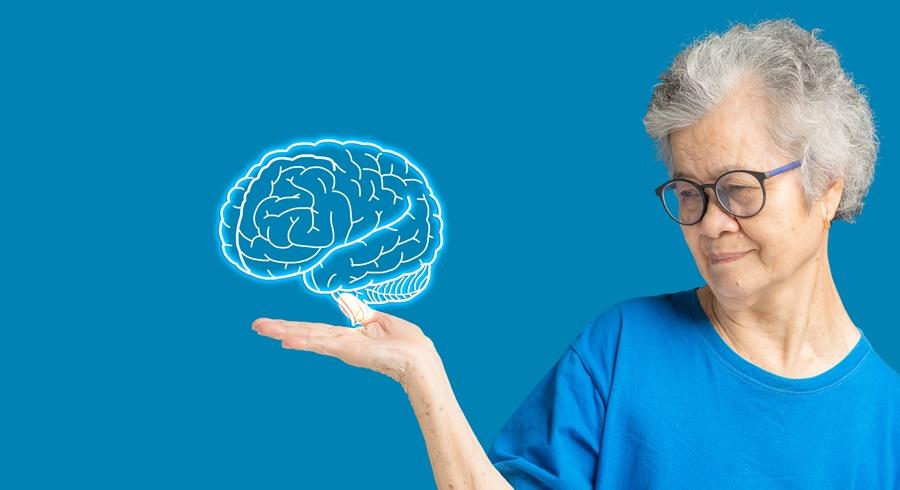
Have you ever felt physically fine but mentally drained? You sit down to work, but your mind feels foggy. You try to focus, but distractions pull you away. This is often a sign of low mental energy.
Mental stamina is just as important as physical strength. It helps you think clearly, solve problems, make decisions, and stay productive. Without it, even simple tasks can feel overwhelming.
The good news is that you can improve your cognitive vitality naturally. For more mental energy, focus on balanced daily habits that support your brain and emotional well-being.
This complete guide will help you understand what mental stamina is, what drains it, and how to restore it in healthy, sustainable ways.
What Is Mental Energy?
Mental energy refers to your brain’s ability to concentrate, process information, stay alert, and maintain emotional balance. It affects:
- Focus
- Memory
- Decision-making
- Motivation
- Creativity
- Emotional control
When your mental stamina is strong, you feel clear-headed and capable. When it’s low, you may feel tired, distracted, irritable, or unmotivated.
Why Mental Energy Matters
Your brain controls every thought and action. High cognitive vitality allows you to:
- Complete tasks efficiently
- Stay productive at work
- Learn new skills
- Handle stress calmly
- Maintain strong relationships
Low mental stamina can lead to procrastination, mistakes, and emotional burnout. Protecting your brain’s power helps you perform at your best.
Common Causes of Low Mental Energy
Many daily habits can drain your mind without you realizing it.
1. Poor Sleep
Sleep is when your brain repairs and resets. Lack of rest leads to brain fog and slower thinking.
2. Chronic Stress
Long-term stress increases cortisol, which can exhaust your mental resources.
3. Poor Nutrition
Your brain needs steady fuel. Excess sugar and processed foods may cause energy crashes.
4. Dehydration
Even mild dehydration can reduce concentration.
5. Overworking
Constant multitasking and long hours can overwhelm your brain.
Identifying these factors is the first step toward improvement.
The Brain’s Energy System
Your brain uses glucose and oxygen to function. It consumes a large portion of your body’s daily energy. When your fuel supply is unstable — due to poor diet, lack of sleep, or stress — your mental performance drops.
Balanced nutrition, hydration, and rest support steady cognitive vitality.
Sleep: The Foundation of Mental Energy
Sleep is essential for mental restoration. During deep sleep:
- Memories are organized
- Toxins are cleared from the brain
- Emotional balance is restored
- Cognitive function improves
Adults typically need 7–9 hours per night. Quality matters as much as quantity.
To improve rest:
- Maintain a consistent schedule
- Avoid screens before bed
- Keep your room cool and dark
Better sleep leads to better focus.
Nutrition for a Sharper Mind
Your brain thrives on balanced meals.
Brain-Supporting Foods
- Leafy greens
- Berries
- Nuts
- Whole grains
- Eggs
- Fatty fish
These foods provide healthy fats, vitamins, and antioxidants.
Foods to Limit
- Sugary snacks
- Refined carbs
- Heavy processed meals
- Excess caffeine
Balanced meals prevent sudden crashes in mental energy.
Hydration and Focus
Water supports blood flow and oxygen delivery to the brain. When dehydrated, you may feel tired or confused.
Aim to drink water consistently throughout the day rather than waiting until you feel thirsty.
Exercise Boosts Brain Power
Physical activity increases blood circulation and oxygen supply to the brain. It also releases endorphins that improve mood.
Even light activities like walking, stretching, or yoga can enhance concentration and mental clarity.
Regular exercise supports long-term mental energy levels.
Managing Stress Effectively
Stress drains the brain quickly. When your mind is constantly worried, it consumes valuable cognitive resources.
Healthy stress-management methods include:
- Deep breathing
- Meditation
- Journaling
- Talking to supportive friends
- Spending time outdoors
For more mental energy, prioritize relaxation as much as productivity.
The Impact of Multitasking
Many people believe multitasking increases efficiency. In reality, it divides attention and exhausts the brain faster.
Instead:
- Focus on one task at a time
- Set time blocks for deep work
- Take short breaks between sessions
Single-tasking improves both performance and cognitive stamina.
Digital Overload and Mental Fatigue
Constant notifications and screen exposure overwhelm the brain. Digital fatigue reduces attention span and increases stress.
To reduce overload:
- Silence non-essential notifications
- Schedule tech-free breaks
- Avoid endless scrolling
- Keep devices away during meals
Digital boundaries protect your focus.
Emotional Balance and Mental Strength
Emotional stress uses a large portion of mental capacity. Unresolved conflicts, negative self-talk, and constant comparison can drain your mind.
Practicing gratitude and positive thinking helps conserve emotional resources.
Building a Daily Routine for Mental Energy
Consistency strengthens the brain’s performance.
Morning
- Wake at the same time
- Get sunlight exposure
- Eat a balanced breakfast
Afternoon
- Take short movement breaks
- Stay hydrated
- Avoid heavy meals
Evening
- Relax before bedtime
- Limit screens
- Reflect on achievements
Routine builds stability and reduces decision fatigue.
The Role of Breaks
Working nonstop reduces efficiency. The brain needs rest periods to reset.
Try the 50–10 method:
- Work for 50 minutes
- Take a 10-minute break
Short breaks improve long-term mental stamina.
Mindfulness and Awareness
Mindfulness trains your brain to focus on the present moment. It reduces overthinking and mental clutter.
Simple mindfulness exercises:
- Observe your breathing
- Focus fully on one activity
- Notice surroundings without judgment
Practicing mindfulness daily strengthens cognitive resilience.
Social Interaction and Brain Power
Meaningful conversations stimulate thinking and emotional balance. Isolation can reduce motivation and clarity.
Connecting with others supports both mood and mental energy.
Goal Setting and Motivation
Clear goals prevent mental confusion. When you know your priorities, your brain works more efficiently.
Break larger tasks into smaller steps to avoid overwhelm.
Avoiding Burnout
Burnout happens when mental exhaustion builds over time. Warning signs include:
- Constant fatigue
- Lack of motivation
- Irritability
- Reduced productivity
Prevent burnout by balancing work with rest and recreation.
Long-Term Habits for Sustained Mental Energy
Lasting cognitive vitality requires steady habits:
- Regular sleep
- Balanced meals
- Physical activity
- Stress management
- Continuous learning
Small improvements add up over months and years.
The Importance of Learning
Learning new skills keeps the brain active and flexible. Reading, puzzles, language learning, or creative hobbies stimulate neural connections.
Mental stimulation supports long-term clarity and resilience.
Common Myths About Mental Energy
Myth 1: “Coffee Fixes Everything”
Caffeine may provide temporary alertness but cannot replace sleep or proper nutrition.
Myth 2: “Working Longer Means More Productivity”
Overworking often reduces efficiency and increases mistakes.
Myth 3: “Mental Fatigue Is Just Laziness”
Mental exhaustion is real and requires proper recovery.
Understanding these myths helps you make smarter choices.
When to Seek Professional Help
If you experience:
- Persistent brain fog
- Severe fatigue
- Memory problems
- Mood instability
Consult a healthcare professional to rule out underlying conditions.
Simple Steps to Start Today
If you want immediate improvement:
- Drink a glass of water
- Step outside for fresh air
- Stretch for five minutes
- Write down top priorities
- Take a short digital break
For more mental energy, focus on steady improvement rather than perfection.
Final Thoughts
Mental clarity and stamina are essential for success and happiness. In a world filled with distractions and constant demands, protecting your brain’s vitality is more important than ever.
By prioritizing sleep, nutrition, movement, stress management, and focused work habits, you can rebuild and maintain strong cognitive performance. Sustainable changes — not extreme measures — produce the best results.
Take control of your habits today. Small, consistent actions can dramatically improve your focus, creativity, and emotional balance. When you protect your mental energy, you empower every area of your life.
this product is very helpful for this problem.
Categorii
Citeste mai mult
Latest Insights on Executive Summary Europe Healthcare 3D Printing Market Share and Size The Europe Healthcare 3D Printing market size was valued at USD 1.23 billion in 2024 and is expected to reach USD 4.03 billion by 2032, at a CAGR of 16.0% during the forecast period This Europe Healthcare 3D Printing Market research report proves to be true in serving...

High-quality Singapore High Pressure Fittings are essential components in industrial systems, ensuring the safe and efficient transfer of fluids and gases. From chemical plants to manufacturing facilities, these fittings play a critical role in maintaining system integrity and preventing leaks. This guide provides a comprehensive overview of installation practices, safety measures, and...
When it comes to daily vaping, the "best" device isn’t just about the highest puff count—it’s about finding the balance between reliability, flavor, and how seamlessly the device fits into your lifestyle. At Auvapepuff, we find that daily users often have different priorities than those who vape only occasionally. If you are looking for your new go-to daily driver, here...
The fitness industry has reached a turning point. For years, the market was saturated with neon colors and "hustle culture" slogans that often felt superficial. Enter Breathedivinity, a brand that has successfully pivoted the narrative toward a more profound, aesthetic, and atmospheric experience. By blending the raw energy of underground metal and gothic subcultures with the technical demands...

Introduction: TheFUTAccountant Returns to FUTBIN for FC 26 Nate, known as TheFUTAccountant, will continue his collaboration with FUTBIN for FC 26. The partnership has been renewed, ensuring TheFUTAccountant remains a key member of FUTBIN’s lineup for the upcoming season. Fans can look forward to more content and insights from TheFUTAccountant as part of FUTBIN’s team for FC 26. Who...