


Mental Health: A Complete Guide to Emotional Balance and Inner Strength
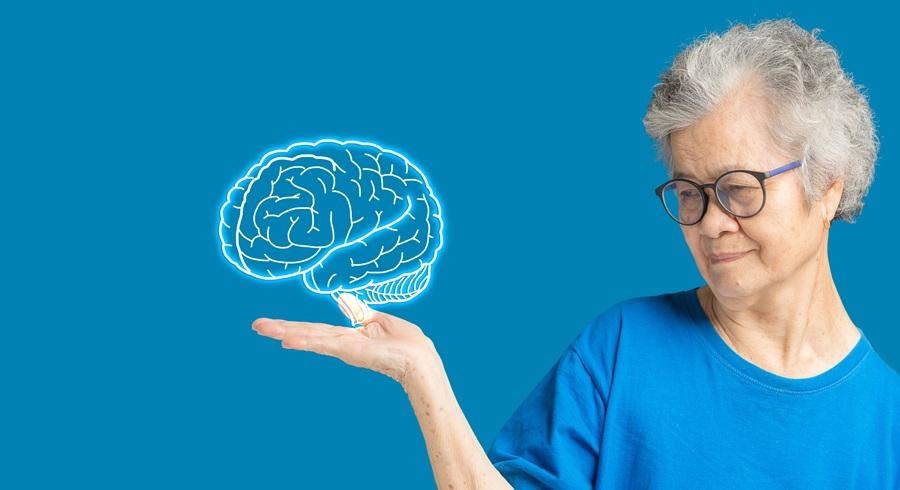
Mental well-being is just as important as physical fitness. Yet many people focus on diet and exercise while ignoring their emotional and psychological needs. True mental health allows you to handle stress, build relationships, work productively, and enjoy life with confidence.
Every person faces challenges—work pressure, family responsibilities, financial concerns, or personal setbacks. How we respond to these challenges depends greatly on our emotional resilience and daily habits.
The good news is that mental strength can be developed. Just like muscles grow stronger with training, the mind becomes more balanced when supported with healthy routines and positive practices.
In this guide, you’ll discover what mental well-being truly means, why it matters at every stage of life, and simple steps you can take to strengthen your emotional foundation.
What Is Mental Health?
Mental health refers to your emotional, psychological, and social well-being. It influences how you think, feel, and act. It also determines how you cope with stress, relate to others, and make decisions.
Good mental health does not mean feeling happy all the time. It means:
- Being able to manage daily stress
- Handling setbacks without losing hope
- Maintaining balanced emotions
- Thinking clearly and rationally
- Building healthy relationships
When your emotional system is strong, you feel more stable and confident—even during difficult moments.
Why Mental Health Matters in Everyday Life
Your mind affects nearly every part of your life. Poor emotional balance can impact sleep, productivity, physical energy, and relationships.
Strong mental health supports:
- Better decision-making
- Increased focus and productivity
- Healthier relationships
- Greater self-confidence
- Emotional stability
When your mind feels clear and balanced, everyday tasks become easier and more manageable.
Signs You May Need Emotional Support
Everyone experiences ups and downs. However, persistent symptoms may signal that your mental health needs attention.
Common signs include:
- Constant stress or worry
- Feeling overwhelmed easily
- Loss of interest in activities
- Difficulty concentrating
- Sleep disturbances
- Mood swings
- Irritability or anger
- Feeling isolated or disconnected
Recognizing these signs early allows you to take positive action before they grow stronger.
Common Factors That Affect Mental Health
Several lifestyle and environmental factors influence emotional well-being.
1. Stress
Chronic stress is one of the biggest challenges to emotional balance. When stress becomes constant, it can lead to exhaustion and irritability.
2. Sleep Quality
Sleep and emotional stability are closely connected. Poor sleep increases anxiety and reduces coping ability.
3. Physical Health
Exercise and nutrition directly impact mood-regulating hormones. When your body feels strong, your mind often follows.
4. Social Relationships
Healthy connections provide emotional support, encouragement, and comfort.
5. Work-Life Balance
Overworking without rest can drain emotional energy and increase burnout risk.
Understanding these influences helps you create healthier daily habits.
Simple Daily Habits to Improve Mental Health
Small, consistent actions can create powerful long-term changes.
Practice Mindful Breathing
Deep breathing calms the nervous system and reduces stress. Even five minutes of focused breathing can improve emotional clarity.
Move Your Body Regularly
Exercise releases natural mood-boosting chemicals. Walking, stretching, dancing, or yoga can reduce tension and increase positive feelings.
Prioritize Sleep
Aim for 7–9 hours of quality sleep each night. Create a relaxing bedtime routine to signal your brain that it’s time to rest.
Limit Negative Media
Constant exposure to stressful news or social media comparisons can weaken emotional stability. Choose uplifting content instead.
Express Gratitude
Writing down three things you’re grateful for each day shifts attention from problems to positivity.
These simple practices support long-term mental health naturally.
Nutrition and Emotional Balance
Food affects mood more than many people realize.
Balanced meals help regulate blood sugar levels, which influence emotional stability. Nutrients that support mental clarity include:
- Omega-3 fatty acids
- B vitamins
- Magnesium
- Antioxidants
Eating whole foods such as vegetables, fruits, nuts, seeds, lean proteins, and whole grains helps stabilize mood and energy.
Staying hydrated is also important. Even mild dehydration can increase irritability and fatigue.
The Power of Social Connection
Humans are social beings. Positive interactions reduce feelings of loneliness and stress.
Strong relationships provide:
- Emotional support
- Encouragement
- A sense of belonging
- Opportunities for meaningful conversation
Spending time with friends, family, or supportive groups strengthens resilience and emotional stability.
Even small daily interactions can positively impact mental health.
Managing Stress in Healthy Ways
Stress is unavoidable, but your response to it matters.
Healthy coping strategies include:
- Journaling your thoughts
- Listening to calming music
- Spending time outdoors
- Practicing meditation
- Engaging in hobbies
- Talking to someone you trust
Avoid unhealthy coping mechanisms like excessive screen time, emotional eating, or social withdrawal.
Learning to manage stress builds emotional strength over time.
Mental Health in Different Life Stages
Emotional needs change as we grow.
Young Adults
Career pressure, academic stress, and relationship changes often challenge emotional balance. Building strong coping skills early is essential.
Midlife
Balancing work, family, and financial responsibilities can increase stress. Prioritizing self-care becomes critical.
Older Adults
Life transitions such as retirement or changing family roles may affect emotional well-being. Staying socially active and engaged supports stability.
Mental health matters at every stage of life.
Breaking the Stigma Around Mental Health
Many people hesitate to discuss emotional struggles due to fear of judgment. This silence often prevents healing.
It’s important to remember:
- Emotional challenges are common
- Seeking support shows strength, not weakness
- Everyone deserves understanding and care
Open conversations reduce stigma and encourage healthier communities.
Building Emotional Resilience
Resilience is your ability to bounce back from challenges.
Ways to build resilience include:
- Developing problem-solving skills
- Maintaining optimism
- Accepting change
- Practicing self-compassion
- Setting realistic goals
Resilience strengthens mental health and helps you navigate life’s uncertainties.
Mindfulness and Emotional Awareness
Mindfulness means paying attention to the present moment without judgment.
Practicing mindfulness helps you:
- Recognize emotional triggers
- Reduce overthinking
- Improve focus
- Stay calm under pressure
Simple exercises like observing your breath or noticing your surroundings can create immediate calmness.
When to Seek Professional Help
Sometimes self-care is not enough. Persistent emotional distress may require professional guidance.
Consider seeking help if you experience:
- Long-lasting sadness
- Severe anxiety
- Loss of motivation
- Extreme mood changes
- Thoughts of self-harm
Early support can prevent symptoms from worsening.
Professional care, combined with healthy daily habits, strengthens long-term mental health.
Workplace and Mental Health
Work environments can greatly influence emotional well-being.
Tips for maintaining balance at work:
- Take regular breaks
- Set boundaries between work and personal time
- Communicate clearly with colleagues
- Avoid multitasking overload
- Practice time management
A balanced routine reduces burnout and increases productivity.
Digital Life and Emotional Balance
Technology connects us, but excessive use can create stress and comparison anxiety.
Healthy digital habits include:
- Setting screen-time limits
- Avoiding social media before bedtime
- Taking regular offline breaks
- Focusing on real-life interactions
Digital balance supports healthier mental health patterns.
Creating a Personal Self-Care Plan
Self-care is not selfish. It is essential.
Your personal plan may include:
- Daily physical activity
- Relaxation time
- Healthy meals
- Social connection
- Creative hobbies
- Quiet reflection
Consistency matters more than perfection. Small actions practiced daily build emotional stability.
The Link Between Physical and Mental Health
The mind and body are deeply connected. When you exercise regularly, eat well, and sleep properly, emotional balance improves naturally.
Physical health supports:
- Mood regulation
- Energy levels
- Stress resistance
- Clear thinking
Taking care of your body is a powerful way to support your mind.
Long-Term Strategies for Strong Mental Health
Improving emotional well-being is a lifelong journey.
Focus on:
- Building strong relationships
- Maintaining healthy routines
- Learning stress-management skills
- Seeking help when needed
- Practicing gratitude and mindfulness
Consistency builds strength. Over time, these habits create a stable emotional foundation.
Final Thoughts
Your emotional well-being shapes your experiences, relationships, and overall quality of life. Supporting mental health is not a one-time task—it is an ongoing commitment to caring for your thoughts, feelings, and daily habits.
By prioritizing sleep, nutrition, exercise, social connection, stress management, and mindfulness, you can build resilience and inner strength.
Small daily actions lead to lasting improvements. When you nurture your mind with patience and care, you create space for happiness, clarity, and emotional balance.
Support for Mental wellness begins with awareness and consistent effort. Investing in your emotional well-being today can transform your tomorrow.
this product is very helpful for this problem.
Catégories
Lire la suite
The Pocket Anniversary update revitalizes the experience with enhanced collection mechanics and celebratory rewards. A major system overhaul introduces smoother trading and sharing. Players can now share cards up to diamond rarity with friends. Trading expands immediately to include the latest set, alongside two-star and shiny cards. Wonder Pick adjustments increase the frequency of missing...

PFAS Free Food Packaging Market Size, Share and Growth Report (2025–2034) Market Overview The PFAS Free Food Packaging Market is experiencing significant growth as regulatory authorities and consumers increasingly prioritize the elimination of harmful chemicals from food contact materials. PFAS (per- and polyfluoroalkyl substances) have traditionally been used in food packaging because of...

The global epoxy market is experiencing consistent expansion as manufacturers seek durable and efficient materials for a wide range of applications. Epoxy resins offer superior mechanical performance, strong adhesion, and excellent protection against corrosion and chemical exposure, making them a preferred choice in construction, electronics, transportation, and industrial sectors. Their...
The production and assembly of a brass shackle padlock involve a series of precise steps to ensure security, durability, and reliability. Brass is chosen for its corrosion resistance, strength, and ease of machining, making it ideal for both indoor and outdoor use. The process begins with selecting high-quality brass materials for the body and shackle, ensuring the padlock can withstand...
The Ride Hailing Service Market is transforming urban transportation by providing convenient, app based mobility solutions. Consumers increasingly prefer on demand rides over owning private vehicles. This trend continues to drive market growth worldwide. The global ride hailing service market is witnessing strong growth as consumers increasingly prefer convenient, affordable, and technology...