Sleep Health: A Complete Guide to Restful Nights and Better Living

Sleep is not just a break from your busy day. It is a powerful process that allows your body and mind to reset, repair, and recharge. Yet in today’s fast-paced world, many people sacrifice rest for work, screens, and daily responsibilities. Over time, this can take a serious toll on overall well-being.
Good sleep health is essential for physical energy, emotional balance, mental clarity, and long-term wellness. Without proper rest, even simple tasks can feel overwhelming. On the other hand, when you wake up refreshed, your entire day feels more manageable and productive.
In this complete guide, you will learn what sleep health really means, why it matters, common problems people face, and simple habits you can adopt to improve your nightly rest naturally.
What Is Sleep Health?
Sleep health refers to the quality, duration, and consistency of your sleep. It is not only about how many hours you spend in bed but also how deeply and peacefully you rest.
Healthy sleep includes:
- Falling asleep within a reasonable time
- Staying asleep throughout the night
- Waking up feeling refreshed
- Maintaining a regular sleep schedule
- Experiencing minimal disturbances
When sleep health is strong, your body and brain function at their best.
Why Sleep Health Is So Important
Sleep affects nearly every system in your body. It supports:
- Brain performance
- Emotional stability
- Immune strength
- Hormone balance
- Heart health
- Metabolism
- Muscle recovery
Poor sleep can impact mood, focus, memory, and even decision-making. Over time, chronic sleep deprivation may increase the risk of various health concerns.
Prioritizing sleep health is one of the most effective ways to improve overall quality of life.
How Much Sleep Do You Really Need?
Sleep needs vary slightly depending on age and lifestyle. However, most adults benefit from 7–9 hours of sleep per night.
Teenagers may require more, while older adults may sleep slightly less but still need consistent rest.
The key is not just the number of hours but how rested you feel in the morning. If you regularly wake up tired, your sleep quality may need improvement.
Signs Your Sleep Health Needs Attention
Many people ignore the early warning signs of poor sleep.
Common symptoms include:
- Difficulty falling asleep
- Frequent night awakenings
- Waking up too early
- Daytime fatigue
- Irritability
- Trouble concentrating
- Headaches
- Dependence on caffeine
If these symptoms persist, it may be time to improve your sleep routine.
The Stages of Sleep and Why They Matter
Sleep happens in cycles that repeat throughout the night. Each stage plays a specific role.
Light Sleep
This is the transition stage where your body begins to relax.
Deep Sleep
Important for physical repair, immune function, and energy restoration.
REM Sleep
This stage supports memory, learning, and emotional processing.
Healthy sleep health depends on completing multiple full cycles each night.
Common Causes of Poor Sleep
Several lifestyle and environmental factors can disrupt sleep.
Stress and Anxiety
Racing thoughts can make it difficult to relax before bedtime.
Excessive Screen Time
Blue light from devices can interfere with natural sleep hormones.
Irregular Sleep Schedule
Sleeping at different times each night confuses your internal clock.
Caffeine and Late Meals
Stimulants and heavy meals close to bedtime can disturb rest.
Lack of Physical Activity
Regular exercise supports better sleep quality.
Understanding the root cause helps you make effective changes.
Creating a Healthy Sleep Routine
Consistency is key when it comes to improving sleep health.
Here are simple steps to build a healthy routine:
Set a Regular Bedtime
Go to bed and wake up at the same time every day, even on weekends.
Create a Relaxing Evening Ritual
Read a book, take a warm shower, or practice deep breathing before sleep.
Limit Screen Exposure
Turn off devices at least one hour before bedtime.
Keep Your Bedroom Comfortable
Maintain a cool, dark, and quiet environment.
Avoid Late Caffeine
Reduce caffeine intake in the afternoon and evening.
Small adjustments can lead to significant improvements.
The Role of Diet in Sleep Health
What you eat can affect how well you sleep.
Certain nutrients support relaxation and restful sleep:
- Magnesium
- Tryptophan
- Vitamin B6
- Complex carbohydrates
Foods that may support better rest include:
- Bananas
- Almonds
- Oats
- Yogurt
- Leafy greens
Avoid heavy, spicy, or sugary meals before bedtime, as they may disrupt digestion and sleep.
Hydration also matters. While staying hydrated is important, drinking large amounts of water right before bed may lead to frequent nighttime awakenings.
Exercise and Better Sleep
Regular physical activity improves sleep quality and helps regulate your internal clock.
Benefits of exercise for sleep include:
- Falling asleep faster
- Deeper sleep cycles
- Reduced stress
- Increased daytime energy
Try moderate exercise such as walking, cycling, yoga, or swimming. Avoid intense workouts too close to bedtime.
Managing Stress for Better Sleep
Stress is one of the most common reasons for poor sleep health.
Healthy stress-reduction techniques include:
- Meditation
- Deep breathing exercises
- Journaling
- Listening to calming music
- Gentle stretching
- Gratitude practice
Calming the mind before bedtime helps prepare the body for rest.
The Impact of Technology on Sleep Health
Technology plays a major role in modern sleep challenges.
Blue light from screens can reduce melatonin production, the hormone that controls sleep.
To improve sleep health:
- Use night mode settings
- Reduce screen time before bed
- Keep devices out of the bedroom
- Avoid scrolling in bed
Digital balance supports deeper and more consistent rest.
Sleep Health and Mental Well-Being
Sleep and mental health are closely connected.
Poor sleep may increase:
- Anxiety
- Irritability
- Mood swings
- Difficulty concentrating
On the other hand, good sleep health promotes emotional stability and clear thinking.
If you notice mood changes alongside sleep problems, improving your nightly routine may help restore balance.
Sleep Health and Physical Performance
Your body repairs itself during sleep.
Deep sleep supports:
- Muscle recovery
- Tissue repair
- Hormone regulation
- Immune function
Athletes and physically active individuals often notice better performance when they prioritize rest.
Even if you are not highly active, proper sleep improves daily energy and productivity.
Age and Sleep Changes
Sleep patterns naturally change with age.
Older adults may:
- Fall asleep earlier
- Wake up earlier
- Experience lighter sleep
While some changes are normal, consistent poor sleep should not be ignored.
Healthy habits remain important at every stage of life.
Natural Support for Better Sleep Health
In addition to lifestyle improvements, some individuals explore natural sleep-support formulas to promote relaxation and restful nights.
These options may help support:
- Calmness
- Relaxation
- Balanced sleep cycles
- Reduced nighttime awakenings
Support for better sleep health works best when combined with healthy habits like consistent bedtime routines, stress management, and balanced nutrition.
Common Myths About Sleep
Myth 1: You Can Catch Up on Sleep Later
While occasional extra rest may help, chronic sleep loss cannot be fully reversed in one night.
Myth 2: Watching TV Helps You Sleep
Screens may actually delay sleep by stimulating the brain.
Myth 3: Less Sleep Means More Productivity
In reality, poor sleep reduces focus, creativity, and efficiency.
Understanding these myths helps you make informed choices.
Long-Term Benefits of Strong Sleep Health
When you consistently maintain good sleep health, you may experience:
- Better concentration
- Stable mood
- Stronger immune system
- Improved heart health
- Balanced metabolism
- Increased daily energy
Sleep is not a luxury—it is a necessity.
Building a Personalized Sleep Plan
Every person is different. Create a plan that suits your lifestyle.
Ask yourself:
- What time do I feel naturally tired?
- What disrupts my sleep most often?
- How can I reduce stress before bed?
- Is my bedroom environment comfortable?
Making gradual improvements ensures long-term success.
Final Thoughts
Sleep is one of the most powerful tools for improving overall health and well-being. Strong sleep health supports your brain, heart, immune system, and emotional balance.
By creating a consistent routine, managing stress, limiting screen time, eating balanced meals, and staying active, you can transform your nightly rest.
Small daily changes lead to lasting results. When you prioritize sleep, you invest in your long-term energy, focus, and happiness.
Support for better sleep health begins with awareness and commitment. Start today, and give your body and mind the rest they truly deserve.
this product is very helpful for this problem.
Categorii
Citeste mai mult
Market Overview The sizing agents market is expected to grow at a CAGR of 5.8% during 2023–2028. The market is witnessing steady expansion driven by the growth of end-use industries, technological advancements, and increasing emphasis on sustainable manufacturing practices. A detailed sizing agents market size analysis highlights consistent expansion driven by demand across packaging and...

According to the latest report published by Data Bridge Market Research, the Aerospace Composites Market The global aerospace composites market size was valued at USD 29.09 billion in 2024 and is expected to reach USD 61.69 billion by 2032, at a CAGR of 9.85% during the forecast period The Aerospace Composites Market report not only benefits to save valuable time but also adds...

Manufacturing sectors across the world are experiencing rapid transformation with the adoption of digital and automated production technologies. Additive manufacturing has emerged as a groundbreaking innovation that allows companies to produce complex components with high accuracy while reducing material waste. By creating products layer by layer from digital models, manufacturers can achieve...

Venus Legacy is an advanced non-invasive treatment that helps tighten the skin, improve body contours, and enhance overall skin texture by stimulating natural collagen and elastin production. While the treatment itself delivers gradual improvements, following the right aftercare routine can help maintain and maximise your results. Many individuals searching for Cost of Venus Legacy...

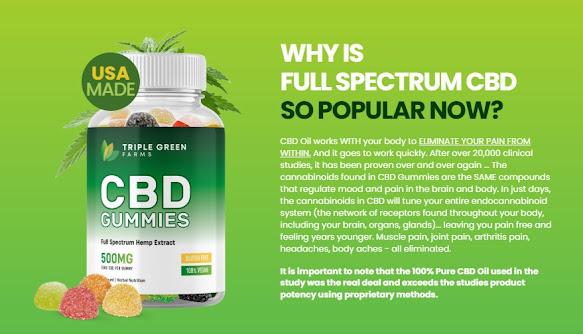
Triple Green Farms CBD Gummies are hemp-derived cannabidiol supplements designed to support relaxation, stress relief, and overall wellness. These gummies provide a convenient and tasty way for users to incorporate CBD into their daily routine without the need for oils, capsules, or vaping products. FB>>...