Blood Sugar: A Complete Guide to Balanced Energy and Better Health
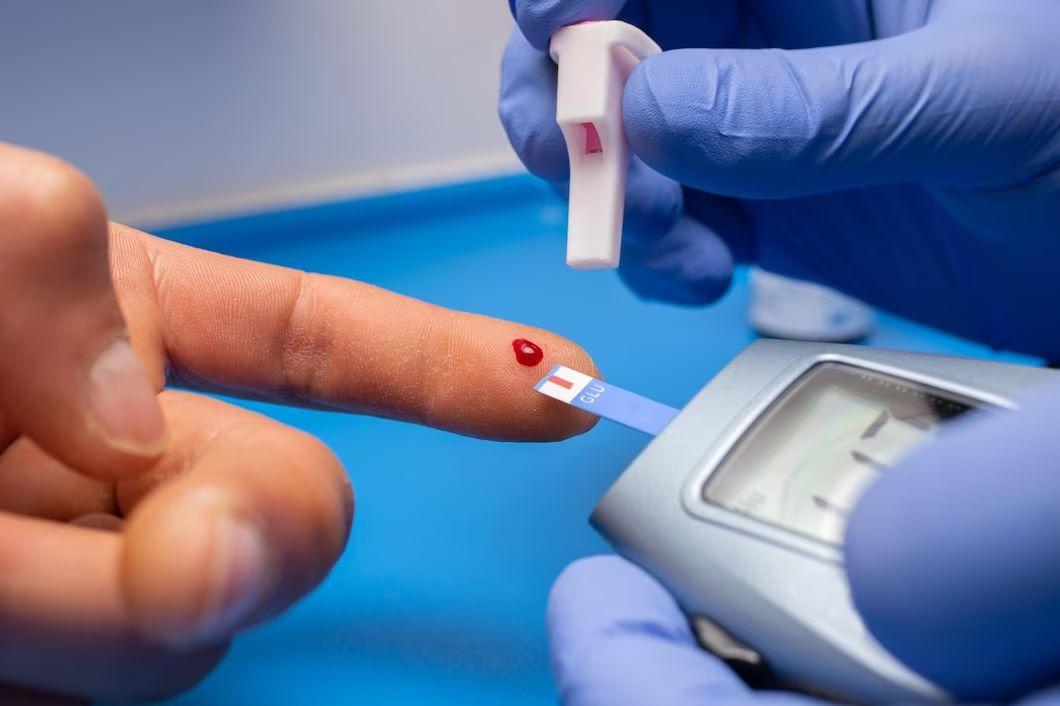
Your body depends on steady energy to function properly. Every step you take, every thought you think, and every task you complete requires fuel. That fuel comes largely from glucose, commonly known as sugar in the blood.
When blood sugar levels stay within a healthy range, you feel energized, focused, and stable. When levels rise too high or drop too low, you may experience fatigue, mood swings, cravings, or other uncomfortable symptoms.
Understanding how your body manages blood sugar and learning simple ways to keep it balanced can significantly improve your overall well-being. In this complete guide, you’ll discover what blood sugar is, why it matters, common warning signs of imbalance, and practical daily habits to support stable levels naturally.
What Is Blood Sugar?
Blood sugar refers to the amount of glucose circulating in your bloodstream. Glucose comes from the foods you eat, especially carbohydrates such as bread, rice, fruits, and sweets.
After eating, your digestive system breaks food down into glucose. This glucose enters the blood and is transported to your cells, where it is used for energy.
A hormone called insulin helps move glucose from the blood into your cells. When this process works properly, your body maintains steady energy throughout the day.
Why Balanced Blood Sugar Is Important
Keeping your blood sugar stable supports:
- Consistent energy levels
- Clear thinking
- Healthy metabolism
- Balanced mood
- Reduced cravings
- Long-term heart health
When sugar levels spike or drop suddenly, it can strain your body. Over time, repeated imbalances may affect overall health.
Support for healthy blood sugar levels begins with understanding how your daily habits influence glucose control.
Signs of High Blood Sugar
When blood sugar rises above normal levels, you may notice:
- Increased thirst
- Frequent urination
- Fatigue
- Blurred vision
- Headaches
- Slow healing wounds
High levels often develop gradually, so symptoms may not always be obvious at first.
Signs of Low Blood Sugar
Low blood sugar can occur when glucose drops too much. Symptoms may include:
- Dizziness
- Shakiness
- Sweating
- Irritability
- Sudden hunger
- Weakness
Maintaining steady levels helps avoid these uncomfortable swings.
What Causes Blood Sugar Fluctuations?
Several factors influence blood sugar levels.
1. Diet
Eating large amounts of refined carbohydrates and sugary foods can cause sharp spikes. Foods high in fiber, protein, and healthy fats help slow digestion and maintain balance.
2. Physical Activity
Exercise helps your muscles use glucose for energy, which lowers excess sugar in the blood.
3. Stress
Stress hormones can temporarily raise blood sugar levels.
4. Sleep
Poor sleep may disrupt hormone balance and affect glucose control.
5. Hydration
Dehydration can make sugar levels more concentrated in the bloodstream.
Understanding these triggers allows you to make smarter lifestyle choices.
Best Foods for Healthy Blood Sugar
The right foods can make a major difference.
High-Fiber Vegetables
Leafy greens, broccoli, and zucchini help slow sugar absorption.
Whole Grains
Oats, brown rice, and quinoa provide steady energy.
Lean Proteins
Eggs, fish, beans, and poultry help stabilize blood sugar.
Healthy Fats
Avocados, nuts, and seeds slow digestion and prevent spikes.
Low-Glycemic Fruits
Berries and apples provide natural sweetness without sudden surges.
Combining protein, fiber, and healthy fats in meals supports steady glucose release.
Foods to Limit
Certain foods may cause rapid increases in blood sugar.
- Sugary drinks
- White bread
- Pastries
- Candy
- Processed snacks
- Fried foods
Occasional treats are fine, but moderation is key.
The Importance of Portion Control
Even healthy foods can raise blood sugar if consumed in very large amounts.
Simple portion tips:
- Use smaller plates
- Fill half your plate with vegetables
- Balance carbohydrates with protein
- Avoid skipping meals
Regular, balanced meals help prevent extreme fluctuations.
Exercise and Blood Sugar Control
Physical activity is one of the most effective natural tools for maintaining healthy blood sugar.
Benefits of exercise include:
- Increased insulin sensitivity
- Lower sugar levels
- Improved energy
- Better weight management
Activities like walking, cycling, swimming, or strength training can all help.
Aim for at least 30 minutes of moderate exercise most days of the week.
The Role of Weight Management
Maintaining a healthy weight supports insulin function and glucose balance.
Excess body fat, especially around the abdomen, may increase resistance to insulin. Even modest weight loss can improve sugar control.
Healthy weight management includes:
- Balanced meals
- Regular activity
- Proper sleep
- Stress management
Hydration and Blood Sugar
Water plays an important role in regulating blood sugar.
Proper hydration helps:
- Flush excess glucose through urine
- Support kidney function
- Maintain circulation
Choose water over sugary beverages to support stable levels.
Sleep and Blood Sugar Balance
Sleep affects hormone regulation, including insulin.
Poor sleep may:
- Increase cravings
- Raise stress hormones
- Reduce insulin sensitivity
Aim for 7–9 hours of quality sleep each night to support metabolic balance.
Stress and Its Impact on Blood Sugar
Stress triggers the release of hormones that prepare your body for action. These hormones can increase blood sugar temporarily.
Chronic stress may contribute to ongoing imbalances.
Healthy stress-management techniques include:
- Deep breathing
- Meditation
- Gentle exercise
- Spending time outdoors
- Practicing gratitude
Managing stress supports both mental and physical well-being.
Monitoring Blood Sugar
Some individuals monitor their blood sugar regularly to understand how their body responds to food and activity.
Tracking patterns can help:
- Identify trigger foods
- Adjust portion sizes
- Improve daily habits
Consistency and awareness are powerful tools for long-term health.
Long-Term Risks of Uncontrolled Blood Sugar
If blood sugar remains high over time, it may increase the risk of complications affecting:
- Heart health
- Vision
- Kidney function
- Nerve health
Prevention through daily lifestyle choices is the most effective approach.
Creating a Daily Routine for Healthy Blood Sugar
Morning:
- Eat a balanced breakfast with protein and fiber
- Stay hydrated
- Take a short walk if possible
Afternoon:
- Choose balanced meals
- Avoid sugary snacks
- Stay active
Evening:
- Eat dinner at a consistent time
- Reduce late-night snacking
- Prioritize good sleep
Small, steady habits create lasting results.
Natural Support for Healthy Blood Sugar
In addition to diet and exercise, some people explore natural formulas designed to support balanced glucose levels.
These may include plant-based ingredients or nutrients known to support insulin sensitivity and metabolic health.
Support for healthy blood sugar levels works best when combined with proper nutrition, consistent exercise, and good sleep habits.
Before adding any supplement to your routine, consider your overall lifestyle and health needs.
Common Myths About Blood Sugar
Myth 1: Only Sugar Causes High Levels
Refined carbohydrates and processed foods also impact blood sugar.
Myth 2: Thin People Don’t Need to Worry
Anyone can experience imbalances, regardless of body type.
Myth 3: Skipping Meals Helps
Skipping meals may actually cause larger spikes later.
Understanding these myths helps you make informed decisions.
Building Long-Term Healthy Habits
Improving blood sugar balance is not about strict dieting. It is about sustainable changes.
Focus on:
- Balanced meals
- Consistent exercise
- Stress management
- Adequate sleep
- Proper hydration
Over time, these habits strengthen your body’s natural ability to regulate glucose.
Final Thoughts
Your body depends on steady energy to function properly. Keeping your blood sugar balanced supports physical vitality, mental clarity, and long-term health.
By making mindful food choices, staying active, managing stress, and getting enough sleep, you can maintain healthy glucose levels naturally.
Support for healthy blood sugar levels begins with small, consistent actions. Every positive step you take contributes to improved energy and overall wellness.
Take control of your habits today to build a stronger and healthier future.
this product is very helpful for this problem.
Categorias
Leia mais
Industrial Wastewater Treatment Needs in Delhi Industries in Delhi generate large volumes of wastewater containing chemicals, salts, oils, and suspended solids. Managing this wastewater efficiently is essential to meet environmental regulations and reduce water consumption. Partnering with a reliable Industrial Wastewater ZLD Plant Manufacturer in Delhi helps industries achieve effective...

Ever wonder why nations rise, markets crash, or policies transform lives? Economics holds the answers. Choosing BA Hons Economics builds expertise in analysing human choices and resources. You learn to interpret data patterns shaping societies. Skills gained apply to finance, policy, and global development. Understanding scarcity and incentives reveals how the world functions. This knowledge...

Changing your look should not feel like a chore. Many people want more volume or a bit of extra length, but worry about it looking fake. It is a common concern. You want to look in the mirror and see hair that looks like yours, just better. Most people just want hair that moves naturally and does not require hours of fuss every single morning. Understanding the Right Fit The first step is...

The United Arab Emirates (UAE) is known for its modern architecture, luxury developments, and world-class commercial spaces. From high-rise offices in Dubai to elegant retail stores in Abu Dhabi, interior design and fit out services play a major role in shaping the region’s visual identity. Businesses and property owners are constantly looking for reliable interior fit out...

Sleep is not just a break from your busy day. It is a powerful process that allows your body and mind to reset, repair, and recharge. Yet in today’s fast-paced world, many people sacrifice rest for work, screens, and daily responsibilities. Over time, this can take a serious toll on overall well-being. Good sleep health is essential for physical energy, emotional balance, mental...