Weight Loss: A Complete Guide to Healthy and Sustainable Results

Weight loss is one of the most common health goals around the world. Many people want to feel lighter, more energetic, and more confident in their bodies. While quick fixes and extreme diets may promise fast results, long-term success comes from balanced habits and realistic expectations.
Healthy weight management is not about starving yourself or following strict rules. It is about understanding how your body works, making smarter food choices, staying active, and building routines you can maintain for life. Sustainable change takes time, but it leads to lasting results.
In this detailed guide, you will learn how weight loss works, what affects it, common mistakes to avoid, and practical strategies that support healthy progress.
Understanding Weight Loss
Weight loss happens when your body burns more calories than it consumes. This is often called a calorie deficit. However, the process is more complex than just counting calories. Hormones, sleep, stress levels, activity, and metabolism all play important roles.
Your body uses calories as energy. When you consume more energy than your body needs, the extra is stored as fat. When you consume slightly less than you burn, your body uses stored fat for energy, leading to gradual weight reduction.
Healthy weight loss focuses on fat reduction while preserving muscle mass and maintaining overall health.
Why Quick Fixes Often Fail
Many people try crash diets or extreme exercise plans. While these methods may produce fast initial results, they are usually difficult to maintain. Common problems include:
- Nutrient deficiencies
- Fatigue
- Mood swings
- Muscle loss
- Slowed metabolism
- Regaining weight quickly
Sustainable weight loss is about long-term habit changes rather than short-term restriction.
The Importance of Mindset
Your mindset greatly influences your success. Instead of focusing only on the scale, focus on:
- Improved energy
- Better sleep
- Stronger muscles
- Healthier eating habits
- Increased confidence
Viewing weight loss as a lifestyle improvement rather than punishment makes the journey more positive and achievable.
Building a Balanced Eating Plan
Food plays the biggest role in managing body weight. You do not need extreme restrictions—just balanced choices.
1. Eat More Whole Foods
Choose foods that are minimally processed, such as:
- Vegetables and fruits
- Whole grains
- Lean proteins
- Nuts and seeds
- Healthy fats
Whole foods keep you fuller for longer and provide essential nutrients.
2. Control Portion Sizes
Even healthy foods can lead to weight gain if eaten in large amounts. Use smaller plates, eat slowly, and stop when you feel satisfied, not overly full.
3. Increase Protein Intake
Protein helps preserve muscle mass during weight loss and keeps you feeling full. Include protein sources in each meal.
4. Limit Added Sugars
Sugary drinks, snacks, and desserts add empty calories. Reducing sugar intake supports healthy weight management.
5. Stay Hydrated
Drinking enough water supports digestion and reduces unnecessary snacking. Sometimes thirst is mistaken for hunger.
The Role of Exercise in Weight Loss
Physical activity helps burn calories, improve metabolism, and maintain muscle mass.
1. Cardiovascular Exercise
Activities like walking, jogging, cycling, or swimming increase calorie burn and improve heart health.
2. Strength Training
Building muscle increases your resting metabolic rate, meaning your body burns more calories even at rest.
3. Daily Movement
Simple activities like taking the stairs, walking after meals, or stretching regularly add up over time.
For sustainable weight loss, aim for consistent movement rather than extreme workouts.
Sleep and Its Impact on Weight
Poor sleep disrupts hormones that regulate hunger and fullness. When you are sleep-deprived:
- Cravings increase
- Appetite hormones rise
- Energy decreases
- Motivation drops
Aim for 7–9 hours of quality sleep per night to support weight management goals.
Managing Stress
Chronic stress can lead to emotional eating and increased fat storage. Stress hormones may increase cravings for high-calorie foods.
Stress management techniques include:
- Deep breathing exercises
- Meditation
- Light physical activity
- Spending time outdoors
- Talking with supportive people
Reducing stress improves both physical and mental well-being during weight loss.
Healthy Meal Planning Tips
Planning ahead reduces impulsive food choices.
- Prepare meals in advance
- Keep healthy snacks available
- Create a weekly grocery list
- Avoid shopping when hungry
Structured planning makes weight management easier and more consistent.
Avoiding Common Mistakes
Skipping Meals
Skipping meals may slow metabolism and increase overeating later.
Cutting All Carbs
Carbohydrates provide energy. Choose whole grains instead of eliminating them completely.
Ignoring Strength Training
Muscle maintenance is essential for long-term weight loss success.
Obsessing Over the Scale
Weight fluctuates due to water retention and hormonal changes. Focus on overall progress instead.
Setting Realistic Goals
Healthy weight loss typically occurs at a gradual pace. Setting small, achievable goals builds confidence and consistency.
Examples:
- Lose 1–2 pounds per week
- Walk 30 minutes daily
- Add vegetables to every meal
- Drink more water daily
Small improvements lead to long-term success.
The Role of Metabolism
Metabolism refers to how your body converts food into energy. Factors that influence metabolism include:
- Age
- Muscle mass
- Activity level
- Hormonal balance
Building muscle through strength training supports a healthier metabolic rate.
Emotional Eating and How to Manage It
Emotional eating happens when food is used to cope with feelings rather than hunger.
To manage emotional eating:
- Identify triggers
- Practice mindful eating
- Replace food with alternative coping strategies
- Keep a journal
Awareness is the first step toward change.
Social Support and Accountability
Sharing your goals with friends or family increases motivation. Support systems encourage consistency and provide emotional encouragement.
You can also join fitness groups or partner with a friend to stay accountable.
Long-Term Maintenance
Reaching your goal is only part of the journey. Maintaining results requires ongoing healthy habits.
Continue:
- Balanced eating
- Regular physical activity
- Monitoring portion sizes
- Managing stress
- Prioritizing sleep
Sustainable weight loss is about building habits that last a lifetime.
Creating a Simple Daily Routine
Morning:
- Drink water
- Eat a protein-rich breakfast
- Take a short walk
Afternoon:
- Balanced lunch
- Light movement
- Healthy snack
Evening:
- Strength training or cardio
- Light dinner
- Relaxation before bed
Consistency is more important than perfection.
Benefits Beyond Appearance
Healthy weight management improves more than appearance. Benefits include:
- Increased energy
- Improved mobility
- Better sleep quality
- Enhanced confidence
- Reduced risk of chronic health conditions
Weight loss should focus on overall wellness, not just aesthetics.
Staying Motivated
Motivation naturally fluctuates. Build discipline instead. Create habits that continue even when motivation is low.
Track progress, celebrate milestones, and remind yourself why you started.
Final Thoughts
Weight loss is not about extreme diets or punishing workouts. It is about balanced nutrition, consistent movement, quality sleep, and stress management. Small daily actions create powerful long-term results.
Focus on progress, not perfection. Stay patient, stay consistent, and treat your body with respect. With realistic goals and healthy habits, sustainable weight loss becomes achievable for anyone.
Categories
Read More
Rising Demand for Accurate Diagnostics Fuels Market Expansion Through 2035 The Vacuum Blood Collection Tube Market is gaining significant traction as the healthcare industry continues to prioritize accurate and efficient diagnostic solutions. Valued at USD 3.28 Billion in 2025, the market is projected to reach USD 4.94 Billion by 2035, growing at a CAGR of 4.18% from 2026 to 2035. The...

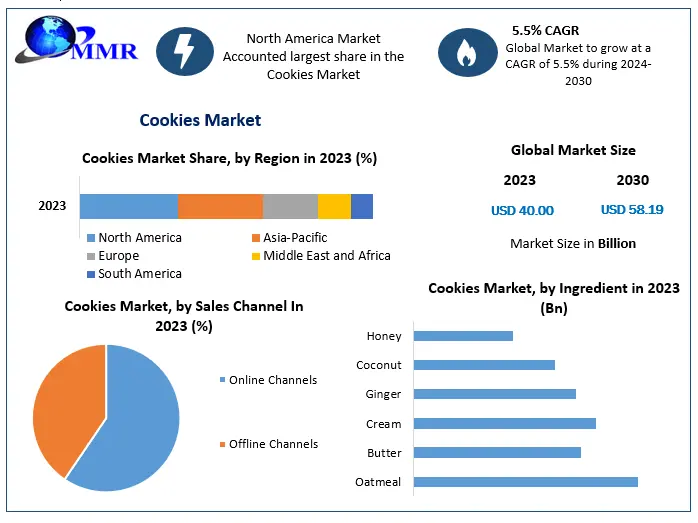
Cookies Market – Industry Structure Evaluation, Demand Drivers Analysis, Regional Growth Identification, Competitive Positioning Review & Global Market Size Forecast to 2030 The global Cookies Market was valued at US$ 40.00 Bn. in 2023 and is projected to grow at a CAGR of 5.5% during 2024–2030, reaching nearly US$ 58.19 Bn. by 2030. The...
Detailed Analysis of Executive Summary Semiconductor Manufacturing Equipment Market Size and Share CAGR Value Data Bridge Market Research analyses that global semiconductor manufacturing equipment market will grow at a CAGR of 9.5% during the forecast period of 2023 to 2030. Semiconductor Manufacturing Equipment Market report consists of significant data that provides future...

Japanese menthol products have gained worldwide attention for their smooth texture, cooling sensation, and premium quality. Among the popular names in this category, Oshima stands out as a trusted option for people who enjoy a refreshing and satisfying menthol experience. Known for its balanced flavor and cooling effect, Oshima has built a reputation among menthol enthusiasts who...
Introduction According to ERM Global Investors, the demand for plots in Vrindavan is no longer driven only by religious sentiment—it is now backed by infrastructure growth, connectivity, and evolving buyer intent. From my on-ground experience interacting with investors across the Yamuna Expressway belt, one clear trend is emerging: buyers today want a mix of affordability, future...