


Nail Health: A Complete Guide to Strong, Beautiful Nails
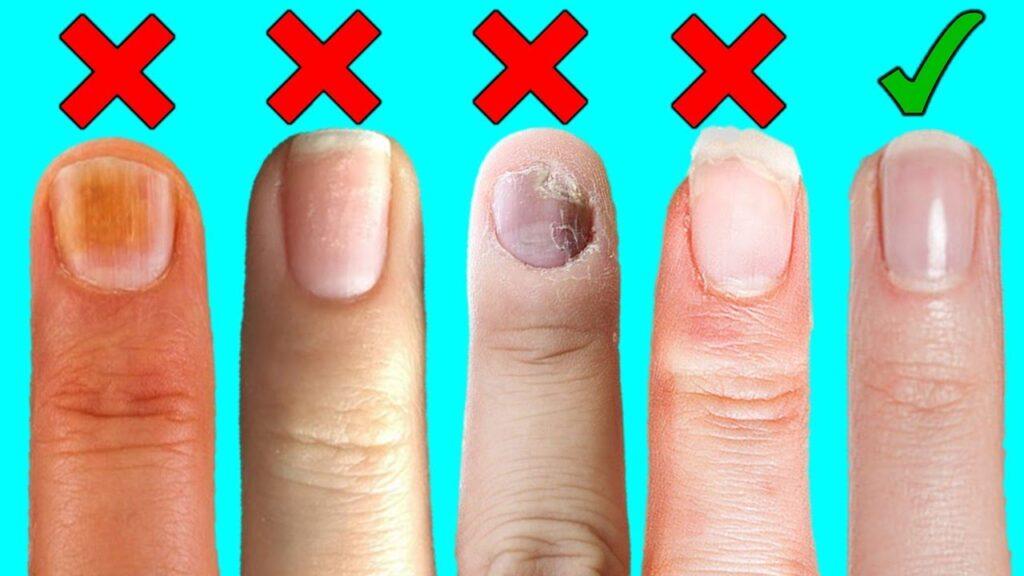
Your nails may seem like a small part of your body, but they say a lot about your overall well-being. Smooth, strong nails are often a sign of good hygiene, balanced nutrition, and proper self-care. On the other hand, brittle, discolored, or weak nails can sometimes signal that your body needs extra attention.
Taking care of your nails is not only about beauty. Nail Health reflects internal balance, hydration, and lifestyle habits. Just like skin and hair, nails need consistent care to remain strong and resilient. The good news is that improving nail condition does not require complicated routines. With simple daily habits, proper nutrition, and gentle care, you can support long-term nail strength and appearance.
This complete guide will help you understand how nails grow, what affects them, common problems, and practical steps to maintain healthy, attractive nails.
Understanding Nail Structure
To care for your nails properly, it helps to understand how they work. Nails are made of a protein called keratin. They grow from the nail matrix, located under the cuticle at the base of the nail. As new cells form, older cells harden and move forward, creating the visible nail plate.
Healthy nails are typically:
- Smooth
- Even in color
- Free from deep ridges
- Strong but flexible
Because nails grow slowly, improvements in Nail Health may take time to become visible. Patience and consistency are key.
Why Nail Health Matters
Strong nails are more than cosmetic. They protect the sensitive skin beneath them and support fine motor tasks like picking up small objects or typing.
Poor Nail Health can lead to:
- Frequent breakage
- Peeling or splitting
- Slow growth
- Discoloration
- Painful infections
Maintaining healthy nails helps prevent discomfort and boosts confidence. Clean, well-kept nails also contribute to a polished overall appearance.
Common Nail Problems
Understanding common issues can help you address them early.
1. Brittle Nails
Brittle nails easily crack or split. This may result from excessive washing, dehydration, or chemical exposure.
2. Peeling Nails
Peeling occurs when layers of the nail separate. This often happens due to dryness or repeated exposure to water.
3. Ridges
Vertical ridges are common with aging. Horizontal ridges may indicate stress or temporary health changes.
4. Discoloration
Yellowing or dark spots may result from staining, infections, or poor hygiene.
5. Slow Growth
Nails typically grow slowly, but severe nutritional deficiencies or poor circulation may slow growth further.
Improving Nail Health often resolves many of these issues over time.
Daily Habits to Support Nail Health
Consistency matters more than complexity. Simple daily care makes a big difference.
1. Keep Nails Clean and Dry
Moist environments encourage bacterial growth. After washing hands, dry your nails thoroughly.
2. Trim and File Regularly
Keeping nails at a manageable length reduces breakage. Use a gentle nail file and move in one direction to avoid splitting.
3. Moisturize Daily
Hydration is essential for Nail Health. Apply moisturizer to your hands and cuticles regularly, especially after washing.
4. Avoid Harsh Chemicals
Frequent exposure to cleaning products or nail treatments can weaken nails. Wear gloves when cleaning or washing dishes.
5. Do Not Bite Your Nails
Nail biting damages the nail bed and increases infection risk. Breaking this habit improves long-term nail strength.
The Role of Nutrition in Nail Health
Your nails depend on nutrients from the foods you eat. A balanced diet supports growth and strength.
Key nutrients include:
Protein
Keratin is made of protein. Include lean meats, beans, eggs, and nuts in your diet.
Biotin
Biotin supports Nail Health by strengthening nail structure. Foods like eggs, nuts, and whole grains contain biotin.
Iron
Iron deficiency may lead to brittle or spoon-shaped nails.
Zinc
Zinc supports tissue growth and repair.
Healthy Fats
Healthy fats maintain hydration and flexibility.
Eating a variety of whole foods supports stronger nails from within.
Hydration and Nail Strength
Dehydration affects the entire body, including nails. Dry nails are more likely to crack and peel.
Drink enough water daily to maintain internal hydration. External moisturizers also help prevent dryness.
Nail Health and Aging
As you age, nails may become thinner and more brittle. This is a natural part of aging. However, proper care and nutrition can slow these changes.
Gentle handling, regular moisturizing, and balanced nutrition help maintain Nail Health at any age.
Safe Nail Care Practices
While manicures can enhance appearance, improper techniques may damage nails.
Tips for safer care:
- Avoid cutting cuticles deeply
- Use gentle tools
- Do not peel off nail polish
- Allow nails to breathe between treatments
Balanced cosmetic care protects natural nail strength.
Recognizing Signs of Infection
Early detection prevents serious issues.
Watch for:
- Swelling
- Redness
- Pain
- Pus
- Persistent discoloration
If symptoms continue, professional evaluation may be necessary.
Stress and Nail Health
Stress can affect the entire body, including nails. Some people develop ridges or weakened nails during stressful periods.
Managing stress through relaxation techniques, exercise, and proper sleep supports overall Nail Health.
The Connection Between Overall Health and Nails
Nails sometimes reflect internal conditions. Sudden changes in color, texture, or thickness may indicate nutritional or health concerns.
Pay attention to long-lasting changes and seek guidance if needed.
Simple Weekly Nail Routine
Creating a structured routine ensures consistent care.
Weekly routine example:
- Trim nails
- File edges smoothly
- Soak hands briefly in warm water
- Apply moisturizer or oil
- Massage cuticles
Consistency improves Nail Health over time.
Protecting Nails During Daily Activities
Daily tasks can stress nails. Protect them by:
- Wearing gloves while cleaning
- Avoiding using nails as tools
- Limiting prolonged water exposure
- Being gentle when opening packages
Small precautions prevent long-term damage.
Boosting Nail Growth Naturally
While nails grow slowly, healthy habits support steady growth.
Encourage growth by:
- Eating protein-rich foods
- Staying hydrated
- Improving circulation through light massage
- Avoiding over-filing
Improved Nail Health leads to stronger, faster-growing nails.
Emotional Benefits of Healthy Nails
Well-maintained nails increase confidence. Clean and strong nails make social interactions more comfortable and enjoyable.
Good grooming habits often improve self-esteem and personal presentation.
Long-Term Nail Care Strategy
Maintaining Nail Health requires:
- Balanced nutrition
- Regular trimming
- Proper hydration
- Stress management
- Avoiding harsh chemicals
Long-term care is about gentle consistency rather than quick fixes.
Common Myths About Nail Health
Myth 1: Nails Need to Breathe
Nails do not actually breathe. However, breaks from heavy treatments allow them to recover from chemical exposure.
Myth 2: Cutting Cuticles Improves Growth
Cuticles protect the nail matrix. Cutting them aggressively increases infection risk.
Myth 3: Harder Nails Are Always Healthier
Extremely hard nails may crack easily. Flexibility is important.
Understanding facts supports better Nail Health decisions.
When to Seek Professional Advice
Consult a professional if you experience:
- Severe pain
- Thickened nails
- Persistent infections
- Major color changes
- Sudden nail separation
Early attention prevents complications.
Final Thoughts
Healthy nails are a reflection of consistent self-care, balanced nutrition, and protective habits. Nail Health does not require complicated treatments—just simple, mindful practices performed regularly.
Focus on hydration, gentle grooming, balanced eating, and stress management. Avoid harsh chemicals and protect your hands during daily activities.
Over time, these habits strengthen your nails, improve their appearance, and boost your confidence. With patience and care, you can enjoy strong, smooth, and resilient nails throughout your life.
this product is very helpful for this problem.
Categories
Read More
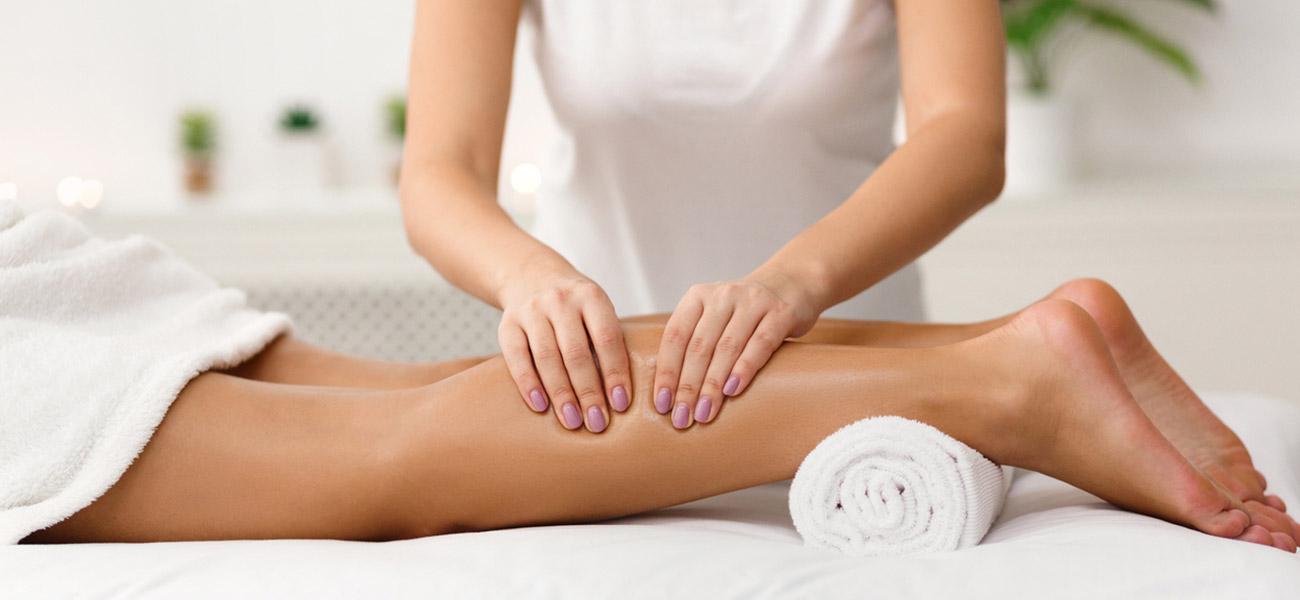
Lymphatic drainage massage in Vienna, VA is a specialized therapeutic treatment designed to stimulate the lymphatic system, reduce swelling, and support natural detoxification. As more people prioritize holistic wellness in Northern Virginia, this gentle yet effective massage technique has become increasingly popular for its health and recovery benefits. Whether you are recovering from surgery,...
" According to the latest report published by Data Bridge Market Research, the Medical Device and Accessories Market CAGR Value The global medical device and accessories market size was valued at USD 150.51 billion in 2025 and is expected to reach USD 247.41 billion by 2033, at a CAGR of6.41% during the forecast period The persuasive Medical...

Making Exin TMPTE Exam Study Simple and Stress-Free Preparing for the Exin TMPTE exam does not have to feel stressful or confusing. Many students struggle because they study too much without a clear plan. They read many resources but still feel unsure about what really matters for the exam. Choosing clear and trusted Exin TMPTE study material makes preparation simple, focused, and more...

Korean Co Ord Sets Every Fashion Lover Will Adore Fashion trends come and go, but some styles leave a lasting impact because they perfectly balance comfort, versatility, and elegance. One trend that continues to win hearts worldwide is korean co ord sets. Inspired by Korean street style, K-pop fashion, and minimalist aesthetics, these matching outfits have become wardrobe essentials for...

The North America drug eluting cardiovascular devices market is expanding due to rising cardiovascular disease cases, growing preference for minimally invasive treatments, and increasing adoption of advanced interventional cardiology technologies. Strong healthcare infrastructure, continuous technological innovation, and the presence of major medical device companies are supporting market...